Advance Masonic Temple in Astoria, Queens
A Historic Masonic Landmark and the Home of Advance Service Mizpah Lodge No. 586, F&AM

Location: 21-14 30th Avenue, Astoria, Queens, New York
Home of: Advance Service Mizpah Lodge No. 586, F&AM
Built: 1915
Founded: Advance Lodge No. 635 was chartered in 1867
Style: Beaux-Arts / Classical Revival
Today: Historic temple, lodge building, community space, and event venue
The Temple
There is a moment, walking along 30th Avenue in Astoria, when the Advance Masonic Temple stops you.
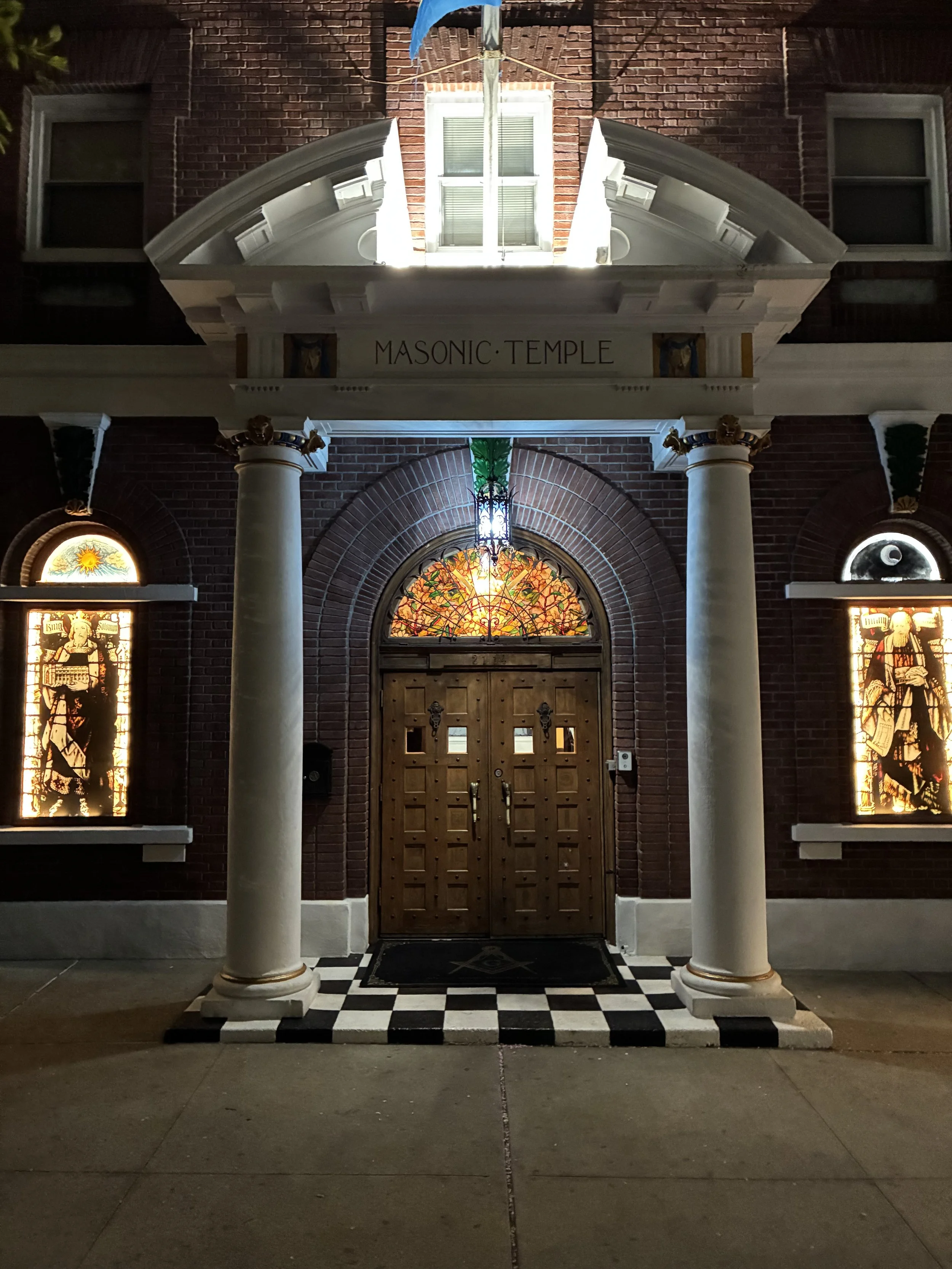
Perhaps it is the two tall white columns at the entrance. Perhaps it is the carved stone lions above them, or the relief sculptures that have watched over the block for more than a century. Perhaps it is simply the words on the façade: MASONIC TEMPLE.
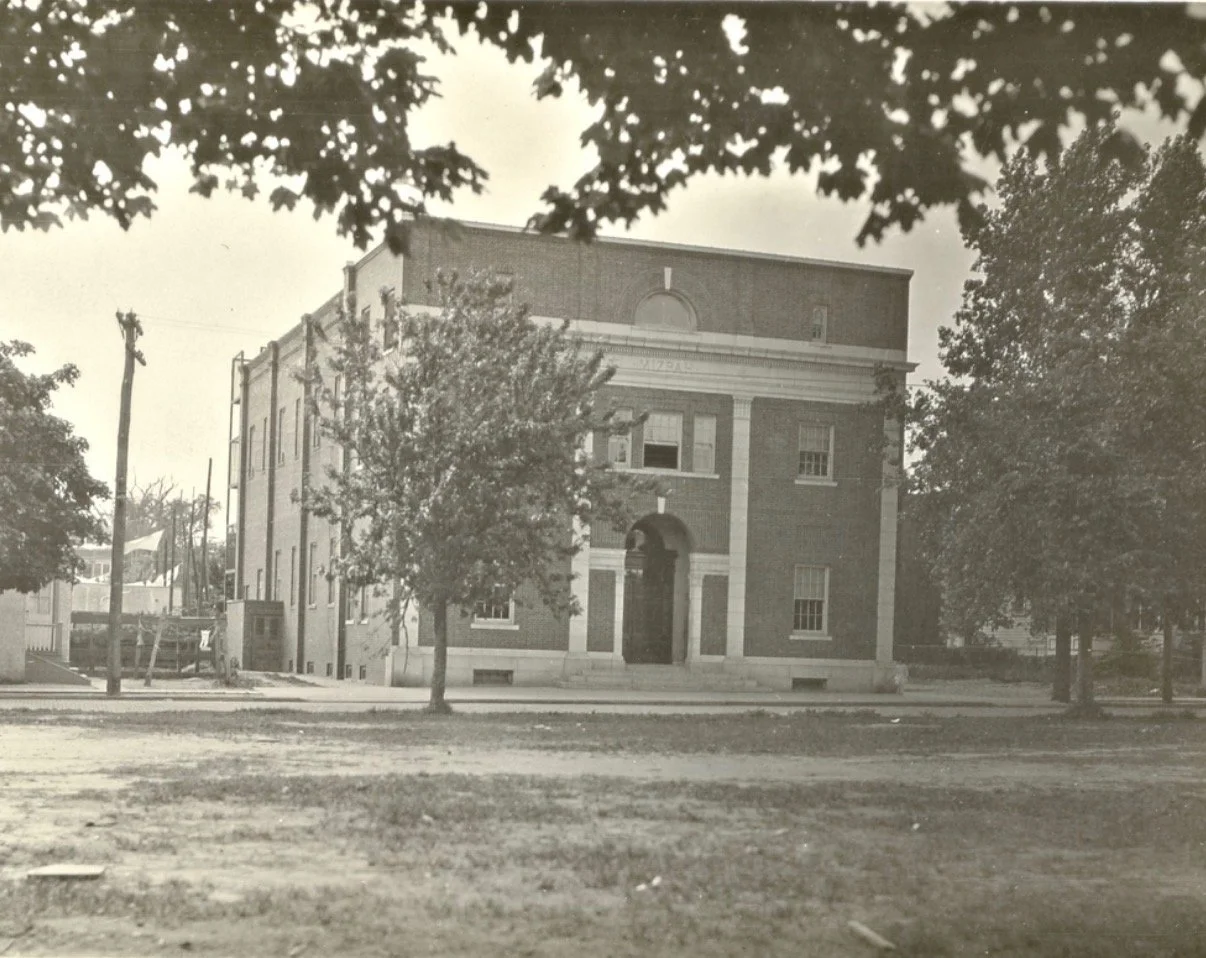
The Advance Masonic Temple is one of Astoria’s most distinctive historic buildings and the longtime home of Advance Service Mizpah Lodge No. 586, F&AM. Its cornerstone bears the dates 1867 and 1915: linking the chartering of Advance Lodge No. 635 to the construction of the present temple in the early twentieth century.
More than a historic building, this temple tells a larger story about Astoria, Long Island City, Elmhurst, and the generations of Freemasons who helped shape civic life in Queens. This page is your guide to the history, architecture, lineage, notable members, and present-day role of the Advance Masonic Temple in Astoria, Queens.
Explore More

The History of the Advance Masonic Temple and Freemasonry in Astoria
The story of the Advance Masonic Temple begins withAdvance Lodge No. 635, the first Masonic lodge in Astoria Village. Chartered in 1867, the lodge grew alongside a changing western Queens, when Astoria was still a village and the borough had not yet become part of Greater New York.
For decades, Advance Lodge stood as a pillar in Astoria. Its members were tradesmen, business owners, professionals, and civic builders whose lives were deeply tied to the growth of the neighborhood. The history of Advance Service Mizpah Lodge No. 586 is not separate from local history. It is part of local history.
As Masonic activity expanded, Advance Lodge worked toward a permanent home. Land was acquired, funds were raised, and plans were made for a substantial Masonic temple in Astoria that could serve both the lodge and the wider Masonic community. The cornerstone was laid in April 1915, and the building opened in April 1916 with strong public support.
Today, the temple stands at 21-14 30th Avenue. In 1916, the surrounding streets had different names: 30th Avenue was then Grand Street, and 21st Street was known as Van Alst Avenue, incidentally named after Advance Lodge member, Peter G Van Alst. Those earlier names are reminders that this building belongs to a deeper civic history shaped by generations of residents, institutions, and Masons in Astoria and western Queens.
One of the clearest examples of that connection is Brother Dr. Thomas Rainey of Advance Lodge No. 635, whose life links the lodge to one of the most important infrastructure projects in New York history: the Queensboro Bridge.
The Chartering of Advance Lodge No. 635
The Charter Members of Advance Lodge No. 635
Peter G. Van Alst: The Mason Who Surveyed Queens
From Grand Street to 30th Avenue
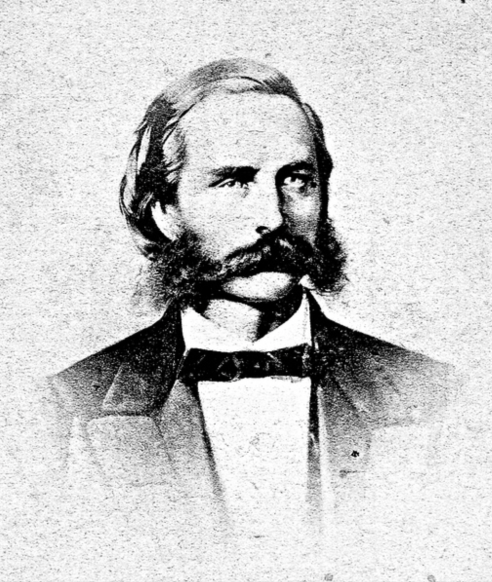
Dr. Thomas Rainey, Advance Lodge, and the Queensboro Bridge
Brother Dr. Thomas Rainey, raised in Advance Lodge No. 635 on November 29, 1881, stands as one of the clearest links between the history of the lodge and the civic development of western Queens. A physician, engineer, writer, and transportation advocate, Rainey brought wide-ranging experience to Ravenswood in the nineteenth century and became one of the earliest champions of a permanent bridge between Queens and Manhattan.
In 1871, he helped incorporate the New York and Queens County Bridge Company and later served as its treasurer and president, devoting years of effort and much of his personal fortune to the cause. He did not live to see the Queensboro Bridge fully realized, but his role in its early advocacy endured. Today, Rainey Park preserves his local memory and reflects the broader truth his life illustrates: that the story of Advance Lodge is deeply intertwined with the making of modern Astoria and Queens.
Read more about Dr. Thomas Rainey
Architecture of the Advance Masonic Temple
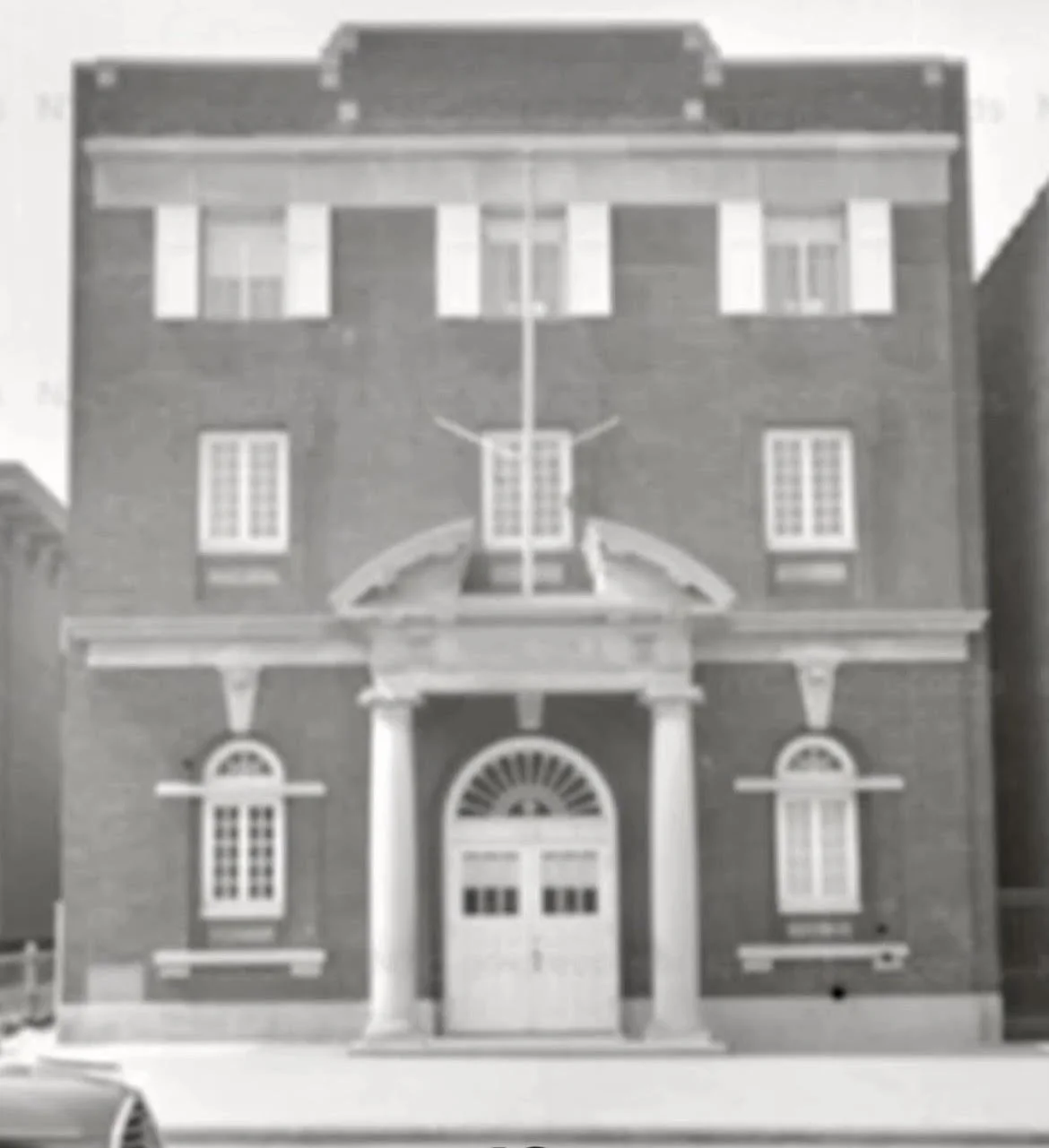
Built in 1915, the Advance Masonic Temple reflects the formal grandeur of Beaux-Arts and Classical Revival architecture. Its columns, carved stone lions, decorative reliefs, and carefully composed façade give the building a civic presence that still stands out in Astoria today.
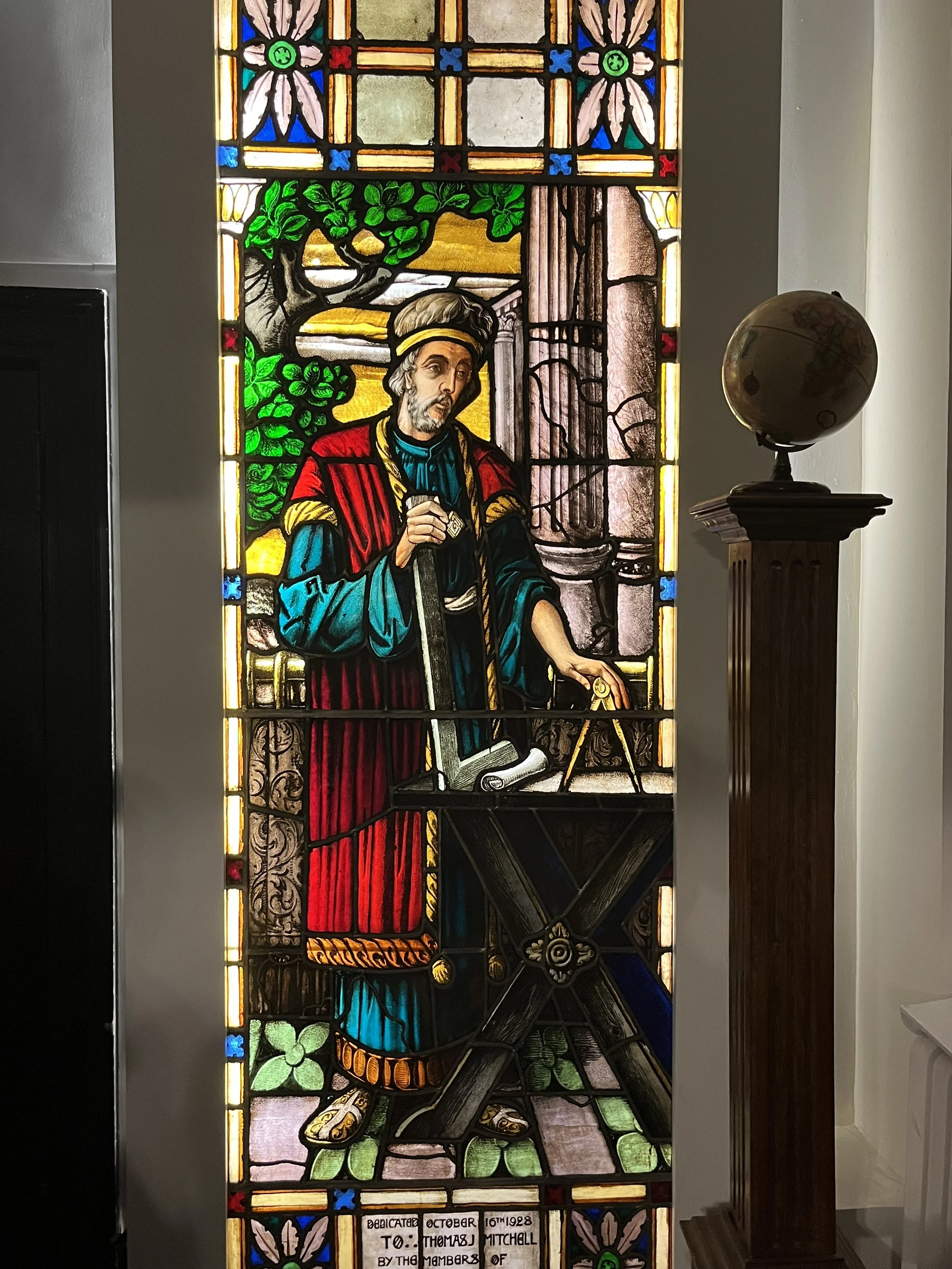
Inside, the temple includes a historic lodge room, stained-glass windows, ceremonial furnishings, and a grand hall that has welcomed generations of meetings, performances, celebrations, and community events. One of the temple’s most memorable stories is that Ethel Merman often performed in the our hall as a teenager; a vivid reminder that the building has long played a role in the social and cultural life of the neighborhood.
The temple is also a living building. It continues to serve as the home of Advance Service Mizpah Lodge No. 586 while ongoing restoration efforts help preserve its historic character for the future.
Egg And Dart Above The Columns
Stained Glass: Solomon and Hiram
The Cornerstone Ceremony of 1915
The Grand Opening of 1916

Advance Service Mizpah Lodge No. 586 and the Lineage of Queens Freemasonry
Advance Service Mizpah Lodge No. 586, F&AM, carries forward the traditions and records of multiple lodges from across Queens. Its present identity reflects decades of Masonic continuity, merger, and shared labor across Astoria, Long Island City, Elmhurst, College Point, and beyond.
That is how City, Island City, Advance, Mizpah, Geba, and Service became part of the broader family represented today by Advance Service Mizpah Lodge No. 586.
The number 586 comes from Island City Lodge No. 586. In Masonic consolidations, the senior number generally survives. The lodge’s current name and number therefore preserve multiple lines of Queens Masonic history at once.
Lodge Lineage
| Lodge Name | Number | Original Neighborhood | Charter Year |
(Note: The Lodge names are also article links)
City Lodge - No. 408 - Manhattan - 1856
Island City Lodge - No. 586 - Long Island City - 1866
Advance Lodge - No. 635 - Astoria - 1867
Mizpah Lodge - No. 738 - Elmhurst - 1873
Geba Lodge - No. 954 - Elmhurst - 1918
Service Lodge - No. 1009 - Flushing - 1923
Additional affiliated lodges in the Queens District include Anchor-Astoria No. 729, Tadmor No. 923, Cornucopia No. 563, Francis Lewis No. 273, Harmony No. 241, and Springfield Gardens No. 1057.
The Complete Consolidation Timeline
Why We Carry the Number 586
Three Historic Temple Traditions in Our Lineage
Among the lodges in our lineage, three are especially notable for having built their own temples. These buildings represent key centers of Masonic life in Queens and help explain the architectural and historical depth of Advance Service Mizpah Lodge No. 586 today.
Advance Lodge No. 635: Astoria
The Advance Masonic Temple at 21-14 30th Avenue is the enduring architectural home of Astoria Masonic history. Its cornerstone links the founding of Advance Lodge in 1867 to the construction of the present building in 1915.
The Grand Opening of 1916
Island City Lodge No. 586: Long Island City
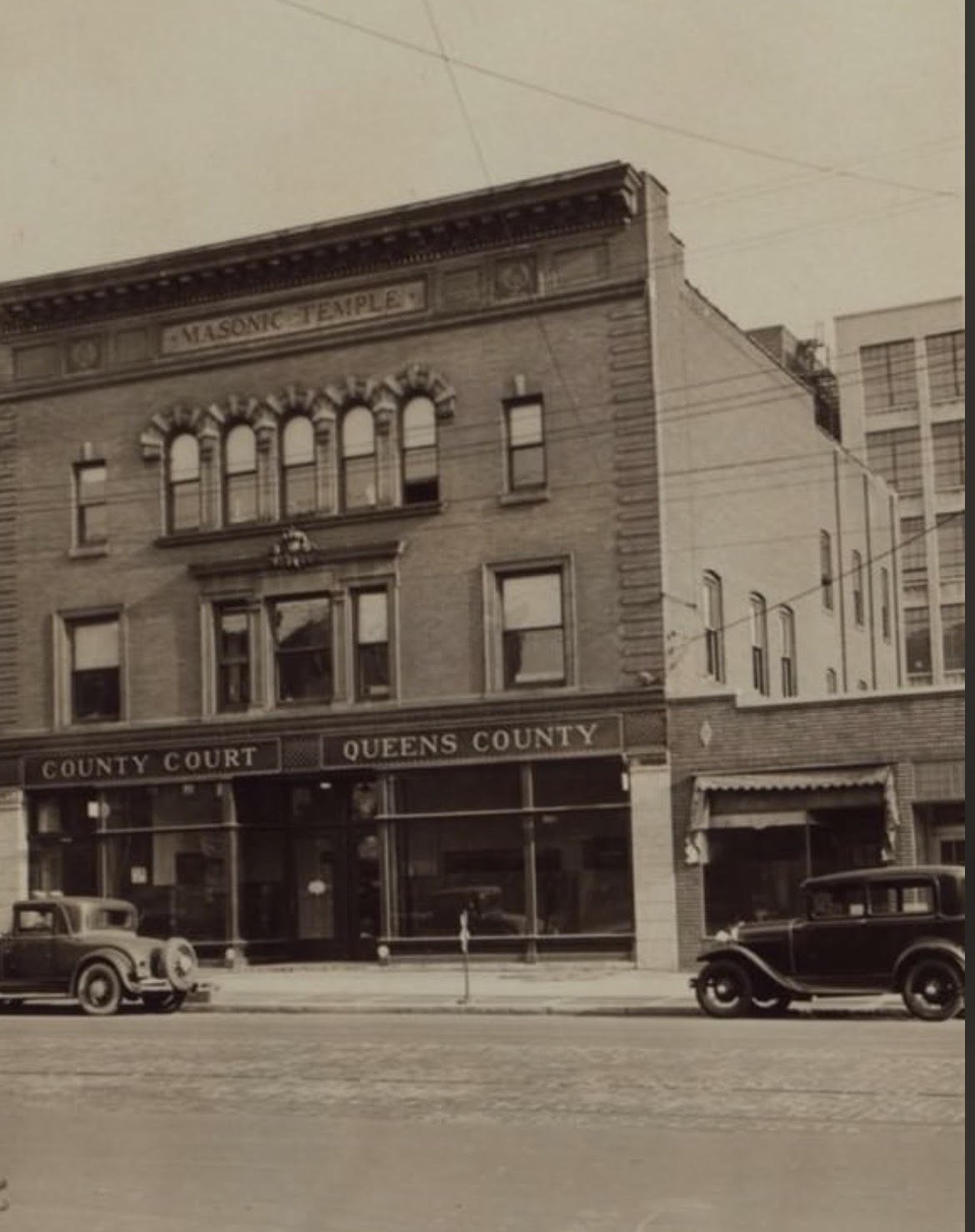
Island City Lodge contributed the number 586 that the lodge still carries today. Its legacy connects the present lodge to the industrial, waterfront, and civic history of Long Island City.
Why We Carry the Number 586
Mizpah Lodge No. 738: Elmhurst
Mizpah Lodge adds an important Elmhurst chapter to the history of the lodge. Its legacy survives in the present name Advance Service Mizpah Lodge No. 586.
What Does Mizpah Mean?
Notable Members and People in the History of the Lodge
Historic lodges are remembered not only through their buildings, but through the people whose work shaped the communities around them. Advance Lodge counted among its members men tied to the building of modern Queens and New York.
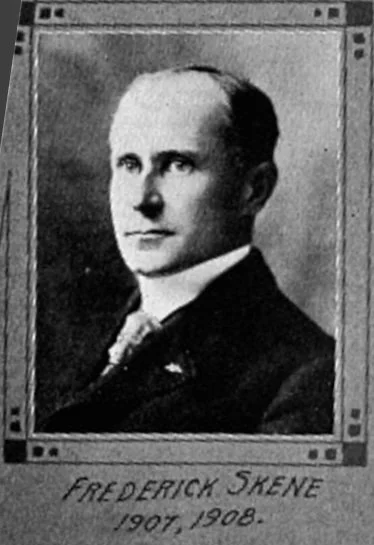
Brothers Peter G. Van Alst and Ernest Ankener brought surveying and engineering skill to the expansion of Queens in the late nineteenth century. Dr. Thomas Rainey linked the lodge to the early vision of the Queensboro Bridge and the transformation of Ravenswood in the years surrounding the creation of Greater New York. In the early twentieth century, Brother Anthony “Speed” Hanzlik, who established and ran the Flushing Airport, helped advance aviation in Queens, while Brother Frederick Skene contributed to the mapping and engineering of roads, bridges, tunnels, and canal systems during New York’s great age of infrastructure building.
Advance Service Mizpah Lodge No. 586 in Astoria Today
The Advance Masonic Temple remains an active center of Freemasonry in Queens. Today it serves as the home of Advance Service Mizpah Lodge No. 586, F&AM, while also supporting community programming, public history, and event use.
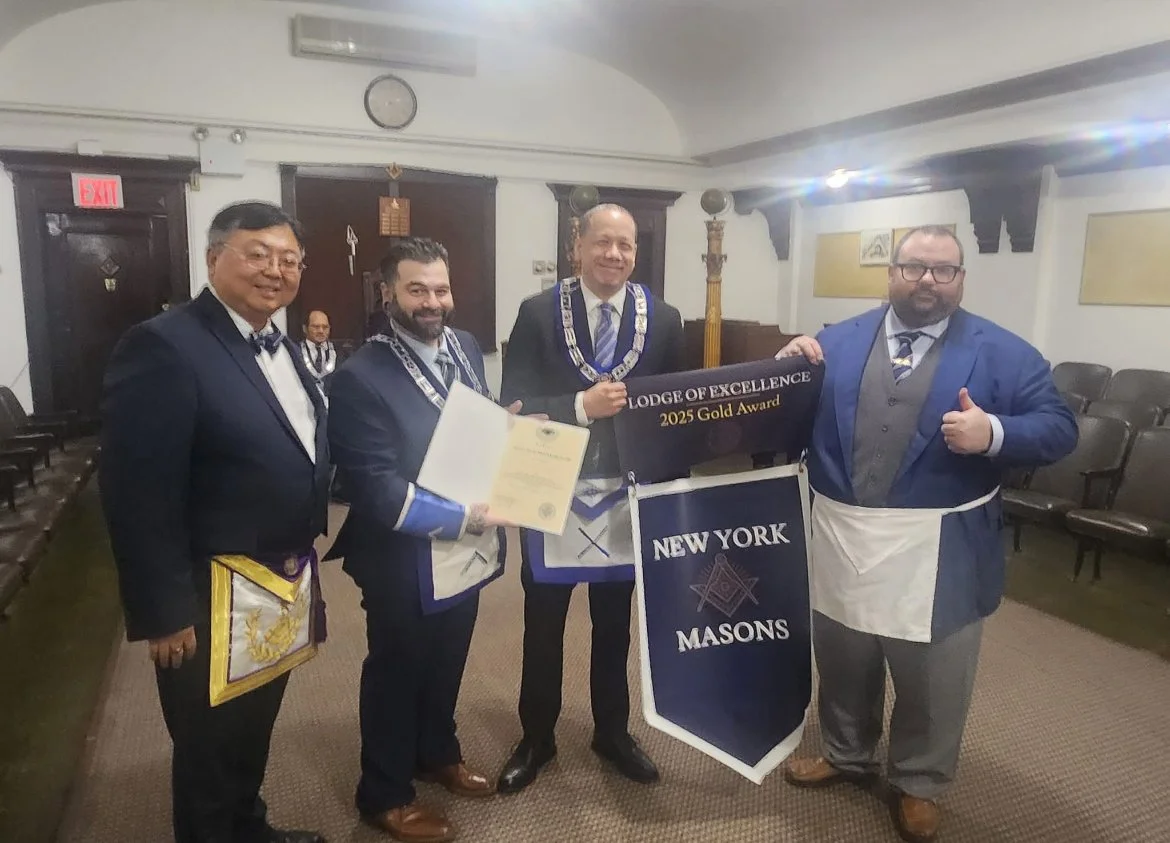
The lodge has been recognized with the 2025 Lodge of Excellence Gold Award from the Grand Lodge of the State of New York. That recognition reflects ongoing work in community outreach, public engagement, charitable drives, restoration efforts, and neighborhood involvement in Astoria.
This is not simply a preserved building. It is a living institution; one that connects nineteenth-century origins, early twentieth-century architecture, and present-day service in Queens.
Frequently Asked Questions About the Advance Masonic Temple
What is the Advance Masonic Temple?
The Advance Masonic Temple is a historic Masonic building in Astoria, Queens, and the home of Advance Service Mizpah Lodge No. 586, F&AM.
Where is the Advance Masonic Temple located?
The temple is located at 21-14 30th Avenue in Astoria, Queens, New York.