Geba Lodge: A Queens Room, a New York Story
In the making of modern Queens, Geba Lodge was more than a Masonic hall. It was a meeting ground for immigrant ambition, civic ritual, neighborhood charity, and an unlikely brotherhood that included psychologists, merchants, amusement-park builders, and Don Rickles.
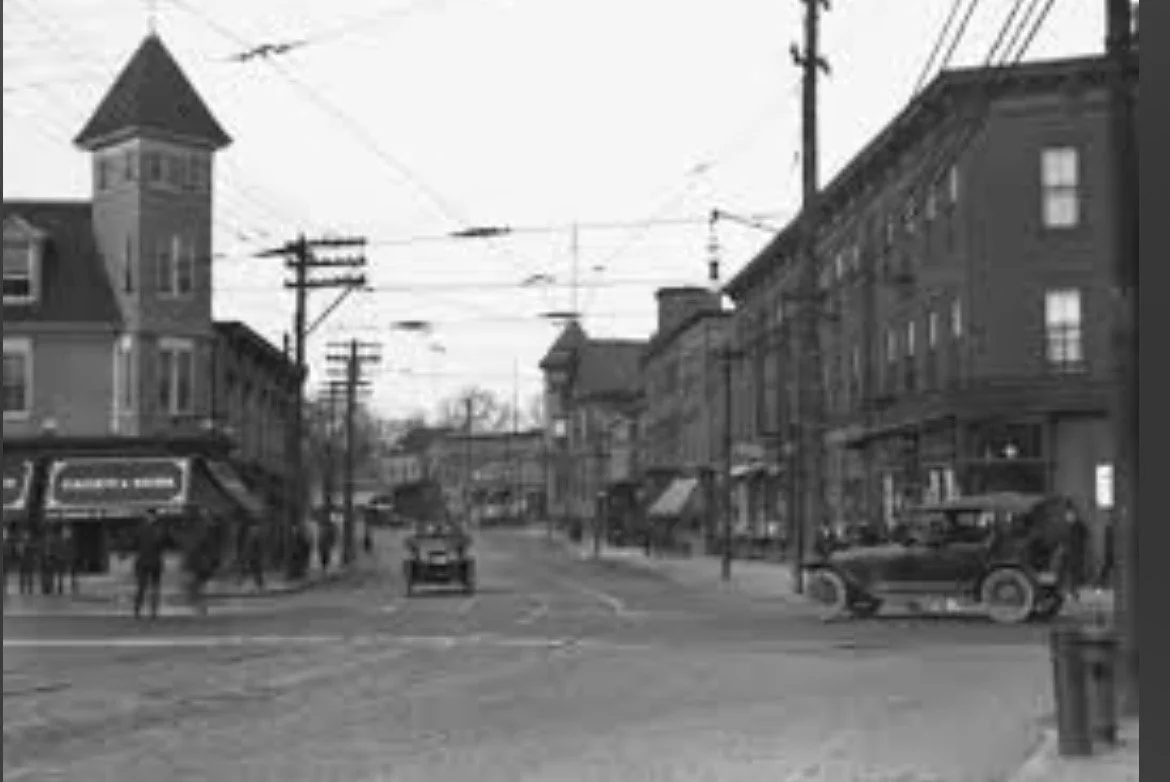
Elmhurst in the years Geba Lodge was founded, when Queens was still a patchwork of developing neighborhoods connected by trolley lines.
A Lodge for a Growing Borough
On a June night in 1919, in Elmhurst, as New York lurched out of war and into modernity, Geba Lodge No. 954 was formally instituted with the familiar symbols of Masonic order: a Bible, a square and compass, and a silk American flag. Outside, Queens was still becoming itself, a borough of trolley lines, immigrant neighborhoods, and streets not yet fully absorbed into the city. Inside, a new institution was taking root.

The symbolic furnishings of a Masonic lodge—Bible, square, and compasses—formed the setting for Geba’s founding in 1919.
That scene captures what Geba would become. It was not simply a Masonic lodge, but one of those small New York institutions through which people turned neighborhood life into civic life. Its members were professionals, merchants, and strivers, many from Jewish immigrant backgrounds, who saw in the lodge a place for fraternity, advancement, and belonging.
Its first Master was Dr. Samuel A. Lando of Corona, later remembered simply and movingly as Geba’s founder and first Master. In that phrase lies the essence of the lodge: local, dignified, and built to last.
The Social World of Geba
The surviving record shows Geba as a distinctly Queens institution: ambitious, communal, and closely tied to the associational culture of the borough. This was a lodge of doctors, lawyers, businessmen, shopkeepers, and civic-minded men whose lives reached beyond the lodge room but were shaped by it.
By the 1920s, Geba had already become part of a wider Masonic network in Queens. Visiting degree teams, anniversary nights, honorary presentations, and crowded meetings placed it squarely within the borough’s fraternal life. It was private in ritual, but public in presence.
That mattered in a borough undergoing rapid change. In early 20th-century Queens, lodges, synagogues, banks, and civic clubs helped transform mobility into rootedness. Geba offered men a way to formalize identity and aspiration in a city that could otherwise feel anonymous.
Men Who Marked the City

David Wechsler, raised in Geba Lodge in 1919, later developed the intelligence scales still used worldwide.
Among Geba’s early members was David Wechsler, raised in 1919 and later known around the world as the psychologist who developed the intelligence scales that still bear his name. His presence in the lodge connects Geba to a larger New York story: the rise of immigrant talent into positions of lasting influence in medicine, science, and public life.
Another notable member was Dr. Dudley D. Shoenfeld, a charter member who became chief psychiatrist at Mount Sinai Hospital and an early pioneer in forensic psychiatry. He served on Mayor LaGuardia’s Commission on Marijuana, helped establish mental health services in the city, and gained national notice for profiling the writer of the Lindbergh kidnapping ransom notes. Shoenfeld represents the kind of serious, public-minded professional New York produced in abundance during the period, and the kind of man Geba attracted.
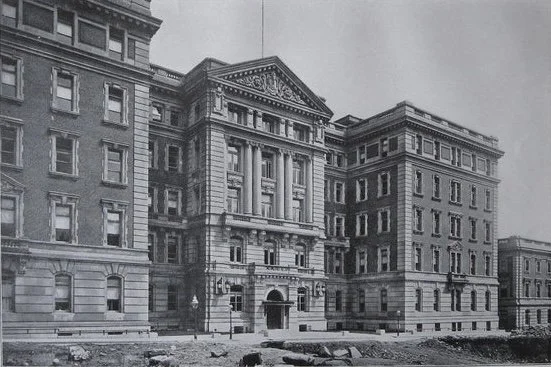
Mount Sinai Hospital New York, early 20th century
These were not isolated cases. Geba’s rolls suggest a lodge rooted in local life but unusually rich in accomplished men whose influence extended well beyond Queens.
Charity, Community, and Fairyland
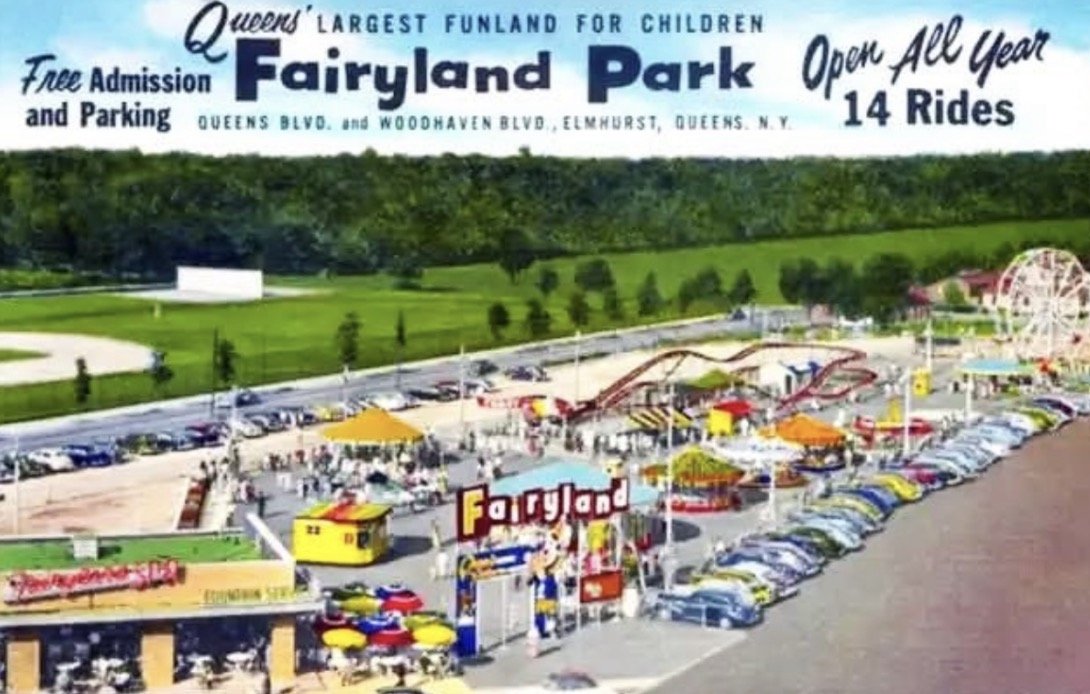
Fairyland amusement park Elmhurst Queens, 1950s
Geba’s history was not only professional or ceremonial. It was charitable in ways that reveal the lodge’s civic character.
In 1954, the lodge hosted more than one hundred children from orphan homes in Jamaica, Far Rockaway, and Brooklyn at Fairyland, the beloved Queens amusement park once located near what is now Queens Center Mall. Brother Bernard Berkley, co-owner of the park, donated the luncheon and opened the grounds for the day. Lodge members dressed as clowns and distributed balloons, toys, candy, and fruit.
The outing was more than a pleasant event. It reflected a postwar ideal of local benevolence rooted in fraternity, business, and neighborhood responsibility. Newspaper accounts noted that the children were welcomed “without regard for race, color or creed,” a phrase that placed Geba squarely within the plural civic ethos New York liked to imagine of itself at midcentury.
Don Rickles, Brother
Then there is the most unexpected name in Geba’s history: Don Rickles.
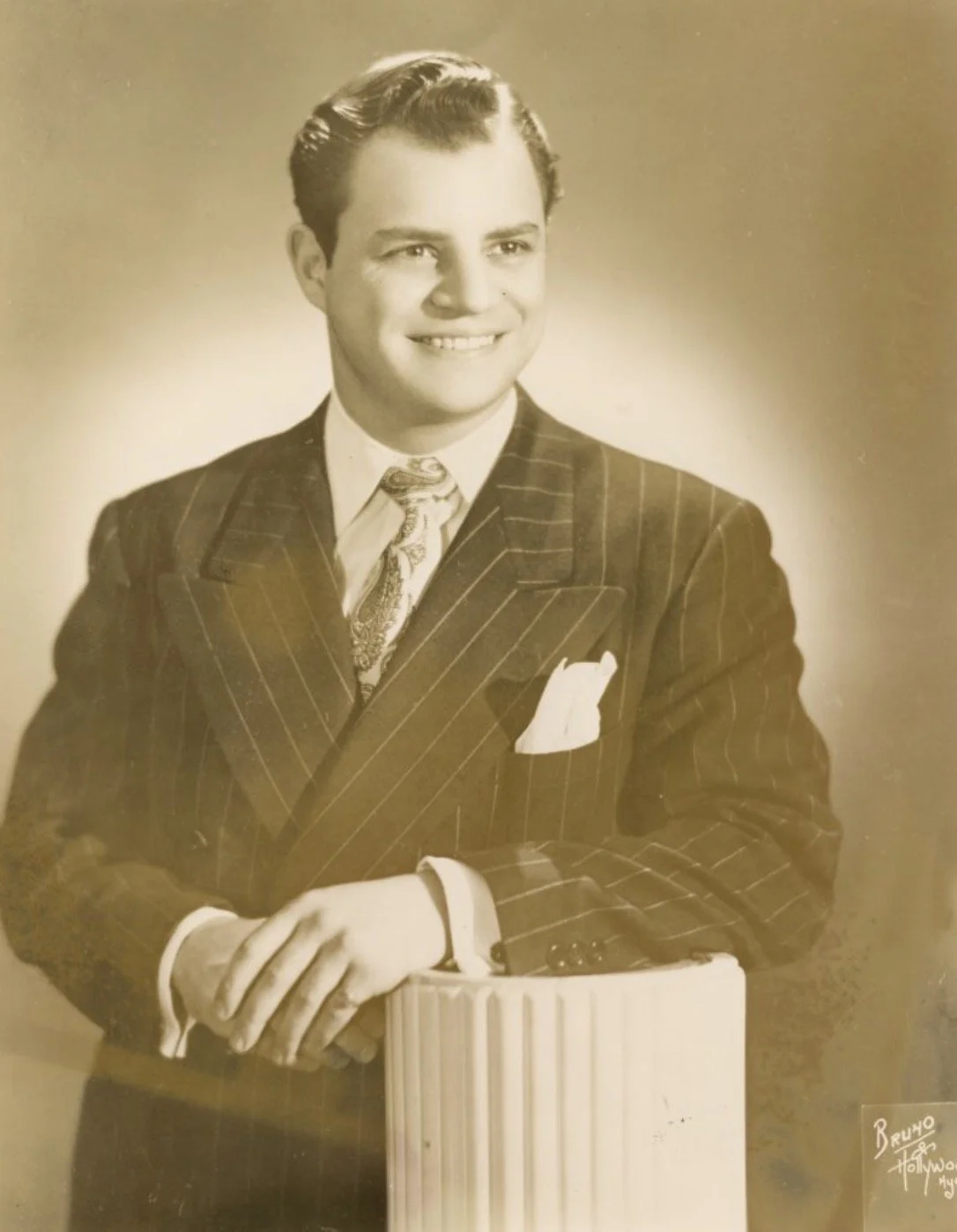
Don Rickles, raised in Geba Lodge in 1953, before becoming one of America’s most distinctive comedians.
Raised in Geba Lodge in 1953, the Queens-born comedian would go on to national fame, becoming one of the most distinctive entertainers of his generation. His presence in the lodge adds a note of improbability, but it also makes sense. Geba was a Queens institution, and Queens has always been a borough where entertainers, tradesmen, doctors, and shopkeepers could still inhabit the same civic world.
Rickles’ later fame gave Geba a brush with celebrity, but what stands out is not star power. It is continuity. He remained connected to his Masonic ties even as the lodge itself changed through mergers and reorganization.
A Small Institution, A Larger Story
Like many urban lodges, Geba did not remain unchanged. Over time it was folded into successor bodies, including Service City Geba Lodge No. 1009, and later into the lineage of Advance Service Mizpah Lodge No. 586. That process of consolidation mirrors the broader history of New York: institutions merge, neighborhoods shift, names disappear, but inheritance survives.
That is the real significance of Geba Lodge. It was one room in Queens, one local lodge among many. But within it passed a larger New York story: immigrant ambition, professional rise, civic ritual, neighborhood charity, and the stubborn human desire to belong to something lasting.
Related Articles
Geba Lodge Charter and Notable Members — The men behind the legacy
Advance Service Mizpah Lodge No. 586 — The story continues here