Frederick Skene: The Engineer Who Helped Move New York
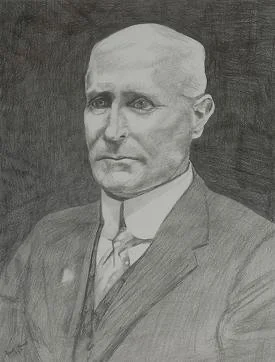
Building a State for Motion
Frederick Skene was one of the men who helped lay them.
Though not widely remembered today, Skene belonged to that class of public builders whose influence survives in the ordinary workings of the world. A civil engineer by training, a state official by elevation, and a Queens man by residence and identity, he played a meaningful role in the effort to make New York not merely prosperous, but connected; a state whose roads and inland waterways could sustain its commercial ambition.
Queens, Engineering, and Early Ambition
Skene’s early career unfolded in Queens, where the practical demands of growth gave urgency to public works. Roads, drainage, grades, and street improvements were not abstract civic ideals; they were immediate tests of whether a rapidly changing community could function. In that world, engineering was less a theory than a discipline of problem-solving, and Skene developed in precisely that tradition.
He built his reputation in the exacting work of making infrastructure serve daily life. It was the kind of labor that rarely attracts glamour but often determines whether a place prospers.
The surviving record also places him within the civic and fraternal world of Long Island City at the close of the nineteenth century. Skene was the 253rd member of Advance Lodge No. 635 and was raised to the degree of Master Mason on November 15, 1898. He was listed at the time as a civil engineer residing at 329 Broadway in Long Island City. The detail is modest, but revealing. Before statewide office and academic distinction, he was already part of the dense associational life of Queens, where profession, neighborhood, and public identity often overlapped.
At the Controls of Expansion
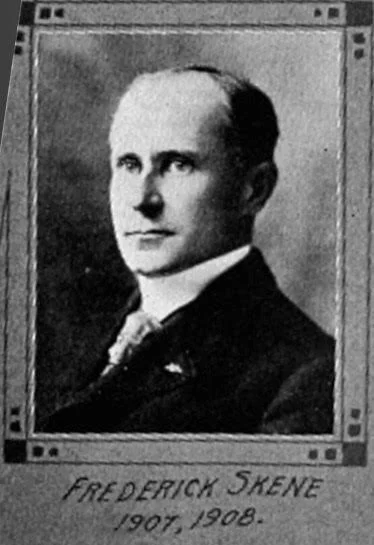
These were not separate stories. Roads, canals, and terminals formed a single system. Together, they determined how efficiently goods could move, how strongly regions could be linked, and how securely New York could maintain its place as a hub of freight, shipping, and industry.
Skene’s tenure came during this formative period. He oversaw work connected to the state’s road and highway network and was part of the larger effort to improve inland waterways that would reinforce New York’s strategic reach. He was also among the early officials to emphasize the importance of terminals and connections: the practical but essential truth that no transportation route fully matters unless it delivers commerce where commerce must go.
That broader vision remains one of the clearest ways to understand his significance. Infrastructure is often praised only after the fact, once it has settled into the landscape and begun to seem inevitable. But it is never inevitable in its own time. It must be argued for, designed, funded, and defended. Men like Skene helped make that case in concrete form.
Scandal, Acquittal, and the Cost of Public Work
The charges drew wide attention. Such cases touched a nerve in Progressive Era New York, where reform, machine politics, and public spending often collided. Roads had to be built, contracts had to be awarded, and money had to move. That necessary machinery could also attract manipulation, rivalry, and scandal.
At trial, however, Skene was acquitted. His principal accuser was later arrested on charges of perjury, and the remaining indictments were eventually dismissed.
The episode cannot be omitted from any honest account of his life. Yet neither did it define the whole of it. If it cast a shadow, it did not extinguish his standing.
A Second Career in the Classroom
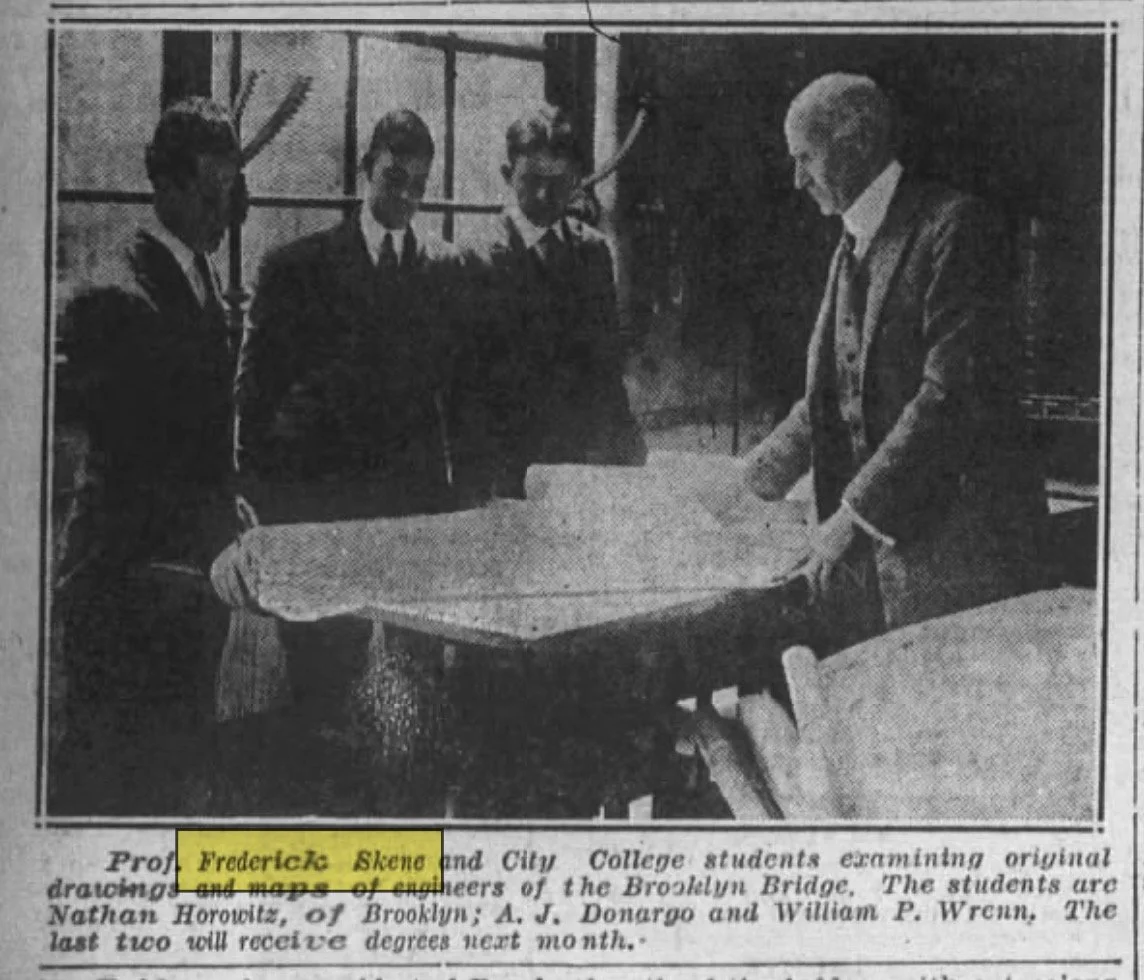
This second act is revealing. It suggests a man whose commitments ran deeper than officeholding. He did not merely pass through engineering on the way to public prominence; he remained anchored in it. In the classroom and the institution, as earlier in state service, he belonged to the culture of building.
He was also remembered as a figure of real seriousness and standing in Queens, where he lived in Long Island City and Astoria. For all his statewide visibility, he remained tied to place; a local citizen as well as a public official. That dual identity gave his career a particular character. He was not a remote name from Albany, but a man known at home.
A Name That Returned to the Water
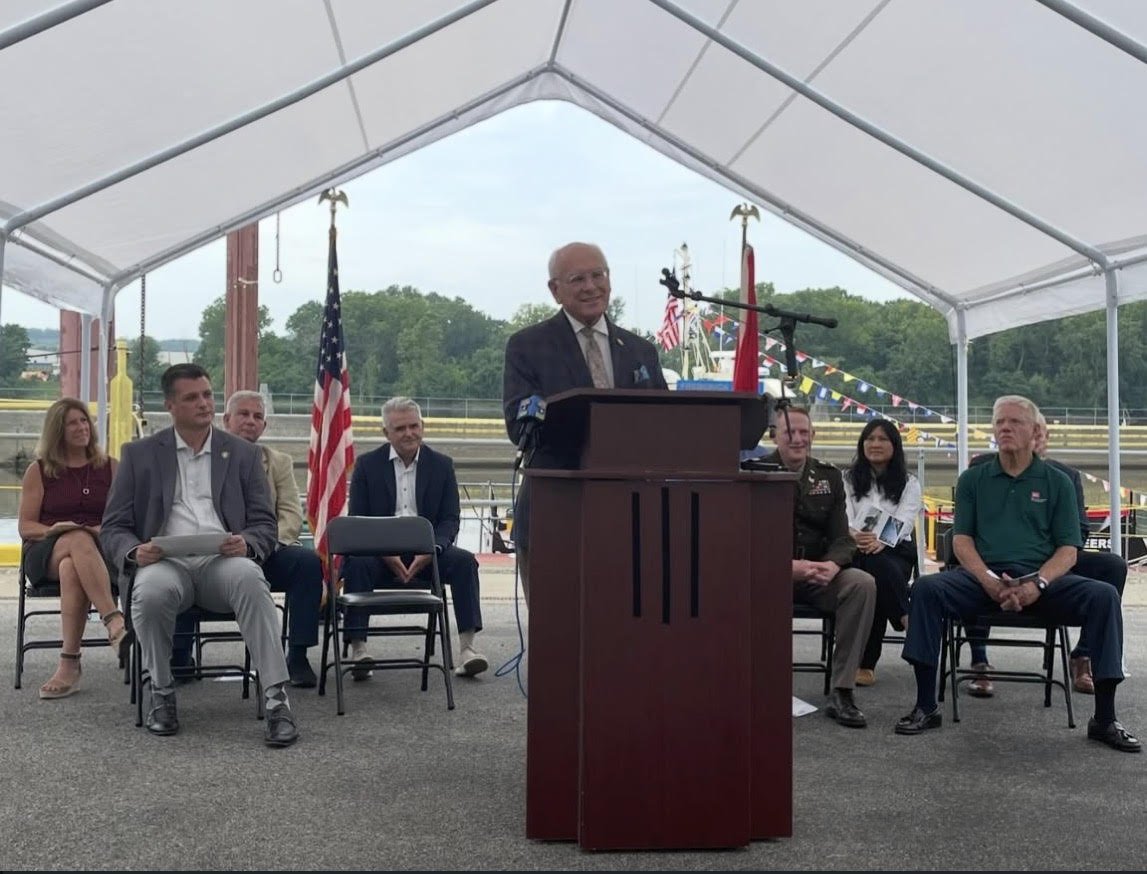
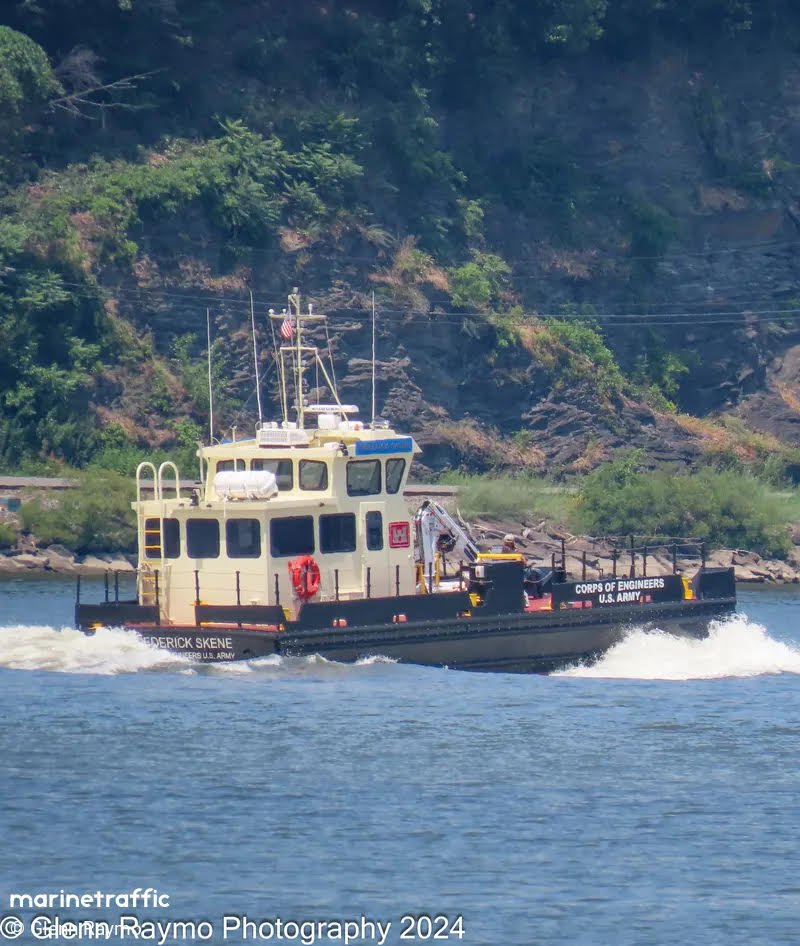
In 2024, his name returned quietly and fittingly to the waterways with the dedication of the DCV Frederick Skene, a working vessel of the U.S. Army Corps of Engineers serving the Hudson River and adjacent upstate channels. It is a tribute especially suited to his life: not ornamental, but useful; not merely symbolic, but operational.
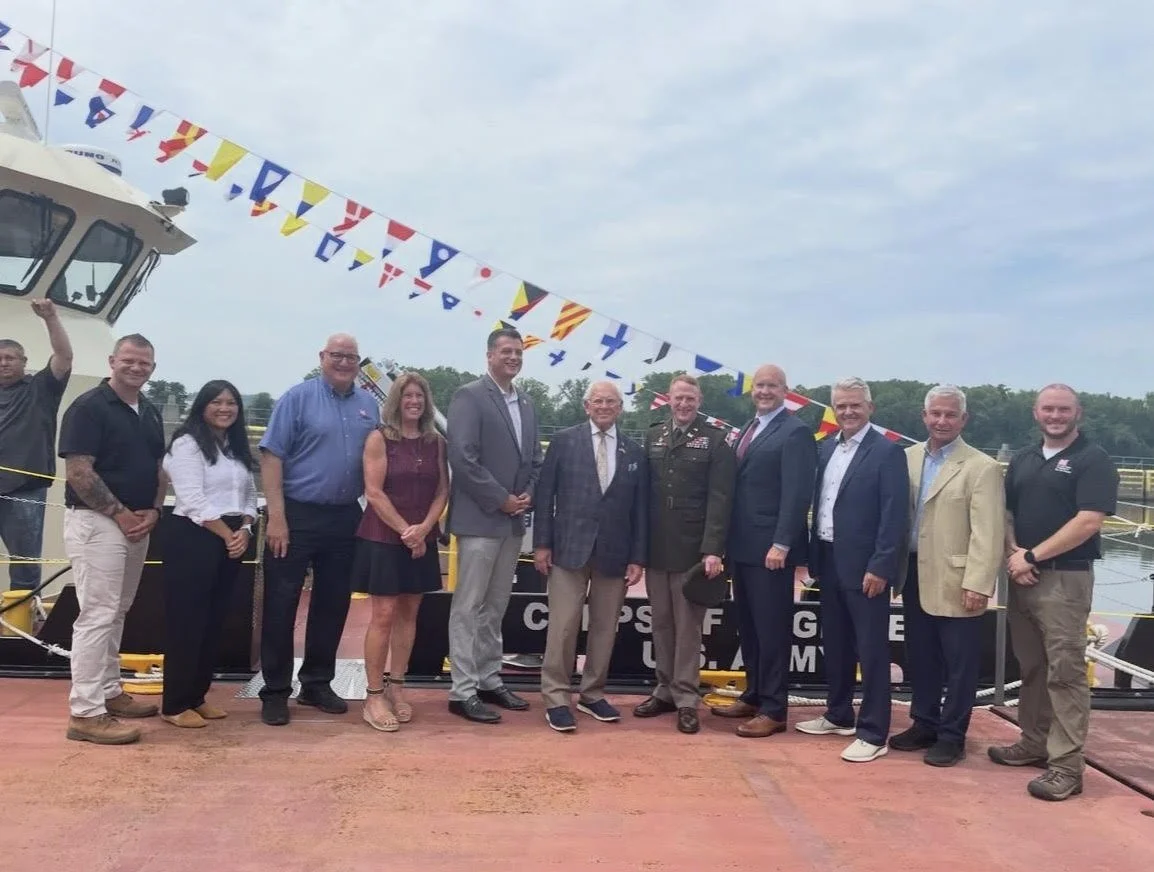

That, in the end, may be the most fitting measure of Frederick Skene. He helped shape the systems by which New York moved into modernity. He worked where engineering met public purpose, and where public purpose was never free from risk. His name may not be widely known, but his kind of contribution still surrounds us: in the road that holds, the channel that carries, and the enduring logic of a state built to move.
Related Articles
Advance Lodge No. 635 — The Full Story of the Lodge
Notable Members of Advance Lodge No. 635 — The Men behind the legacy
Advance Service Mizpah Lodge No. 586 — The Story continues here