Advance Lodge’s Cornerstone Ceremony
On a Cold November Afternoon, Astoria Stood Still
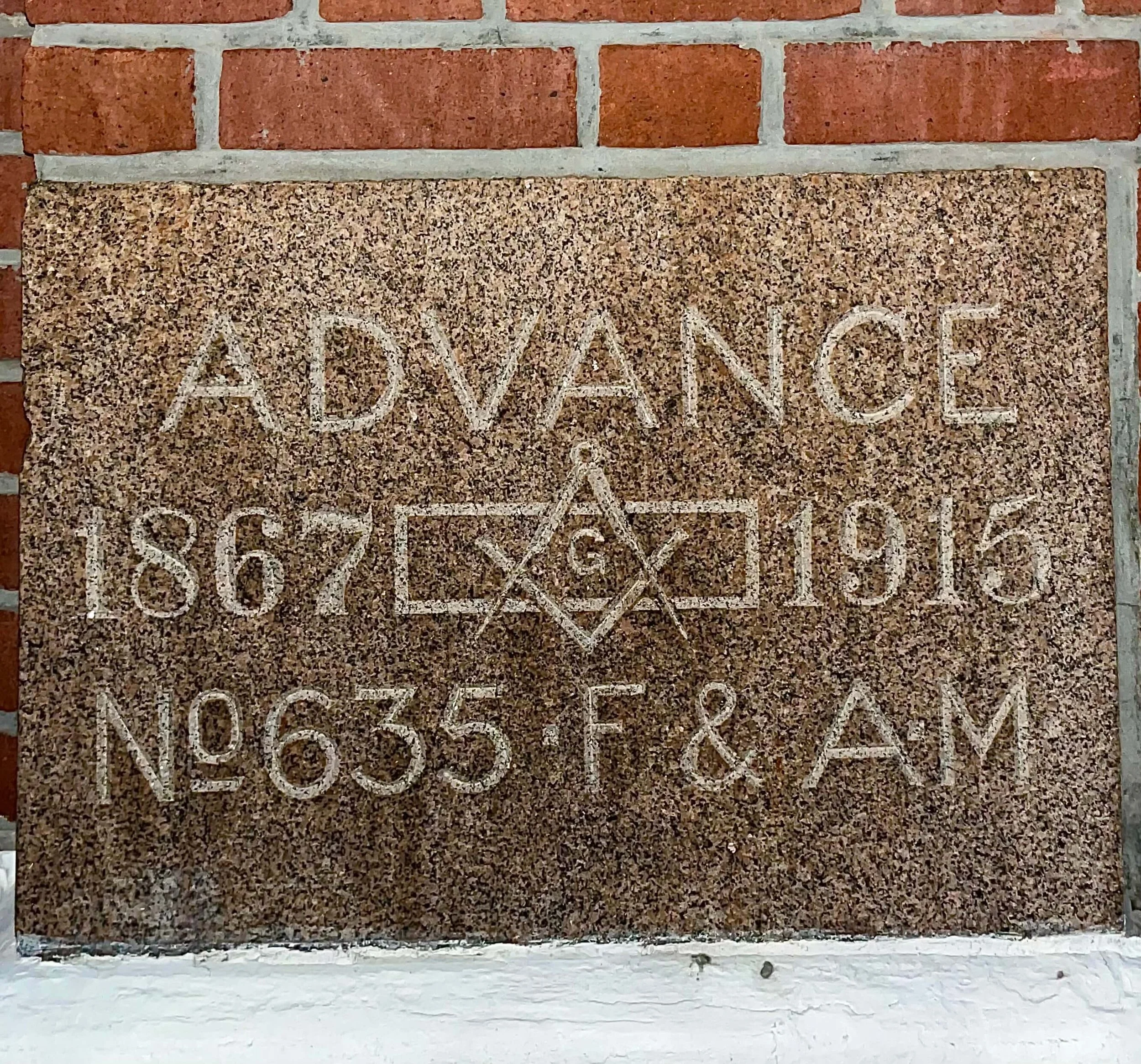
Chartered - 1867, Built - 1915
Led by the Mecca Temple Band, Knights Templar and more than 800 Freemasons from Advance Lodge No. 635 and neighboring lodges marched through Astoria in full ceremonial form. They passed shopfronts and tenements, while families leaned from windows and children on bicycles trailed behind. Their destination was a construction site at what is now 21-14 30th Avenue, where Advance Lodge would lay the cornerstone for its own temple.
A Lodge Comes of Age
Under the direction of Most Worshipful George Freifeld, Grand Master of Masons in the State of New York, the cornerstone was laid with full Masonic ritual. Corn, wine, and oil were poured in symbolic blessing, prayers were offered, and Past Master Henry Martin rose to explain how this corner of Astoria had become, in his words, sacred Masonic ground. To tell that story, he said, one had to “look backward 48 years.”
Martin’s address did more than honor the past. It stirred fresh curiosity about the lodge’s earliest history, including the origins of its unusual name. His remarks would later catch the attention of explorer D. B. MacMillan, prompting an exchange between the two men over the vessel Advance, the Arctic exploration ship whose name and symbolism had long fascinated members of the lodge.
Building More Than a Temple
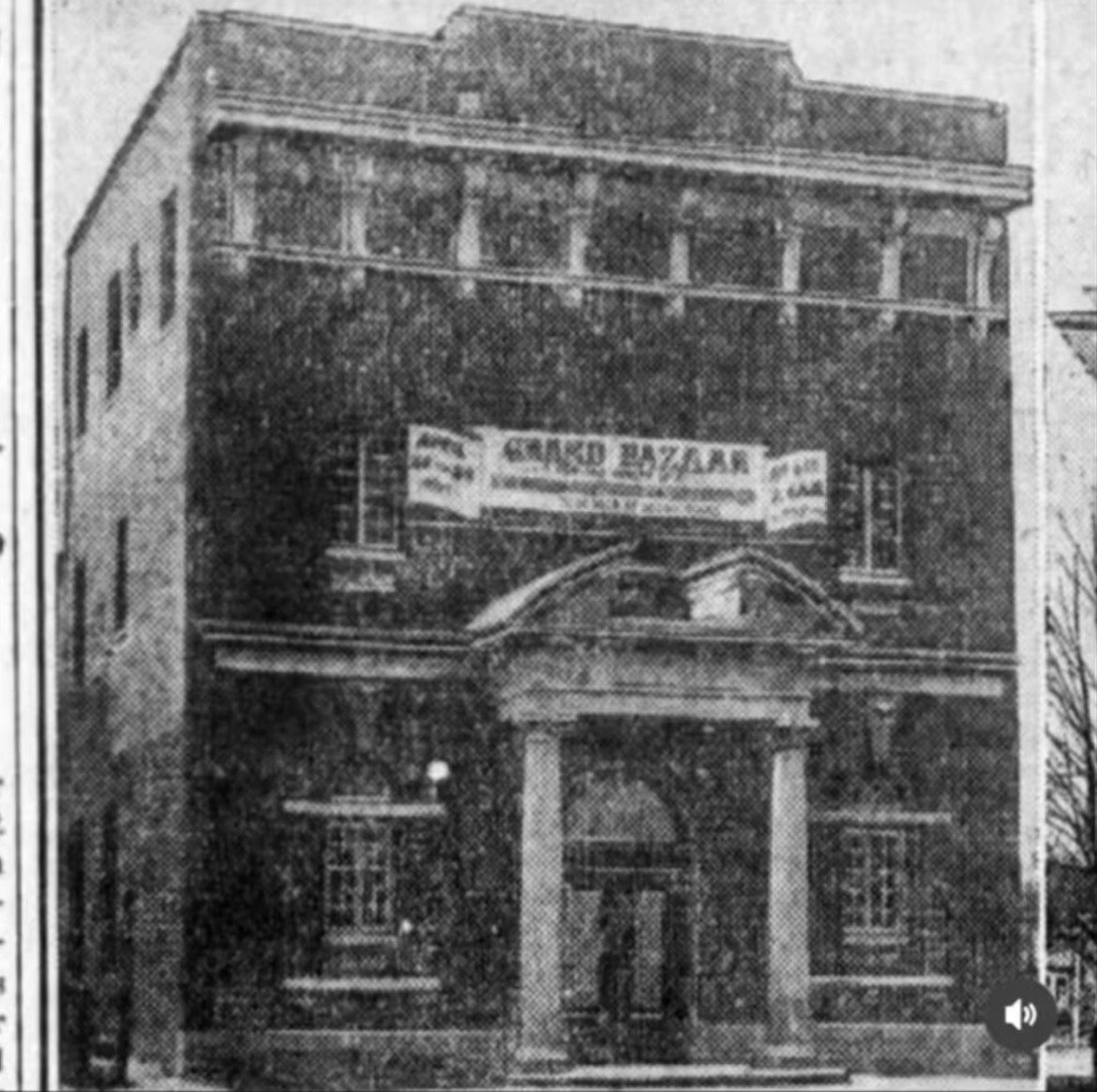
Advance Masonic Temple, 1915
The planned temple was a two-story brick-and-stone structure dedicated entirely to Masonic life and fellowship. Though initially estimated at $18,000, the cost would rise to more than $40,000, reflecting the scale of the ambition behind it.
That ambition was made possible in large part by Brother James Prowse, whose generosity funded the project, and by Master William K. Brown and the committees that oversaw its construction. The building was meant to stand not simply as a meeting place, but as a visible expression of the lodge’s identity: steady, aspirational, and always moving forward.
More than a century later, the cornerstone remains in place, a modest marker of a brotherhood that had endured war, hardship, and upheaval, and intended to keep serving.
Builders of a Borough
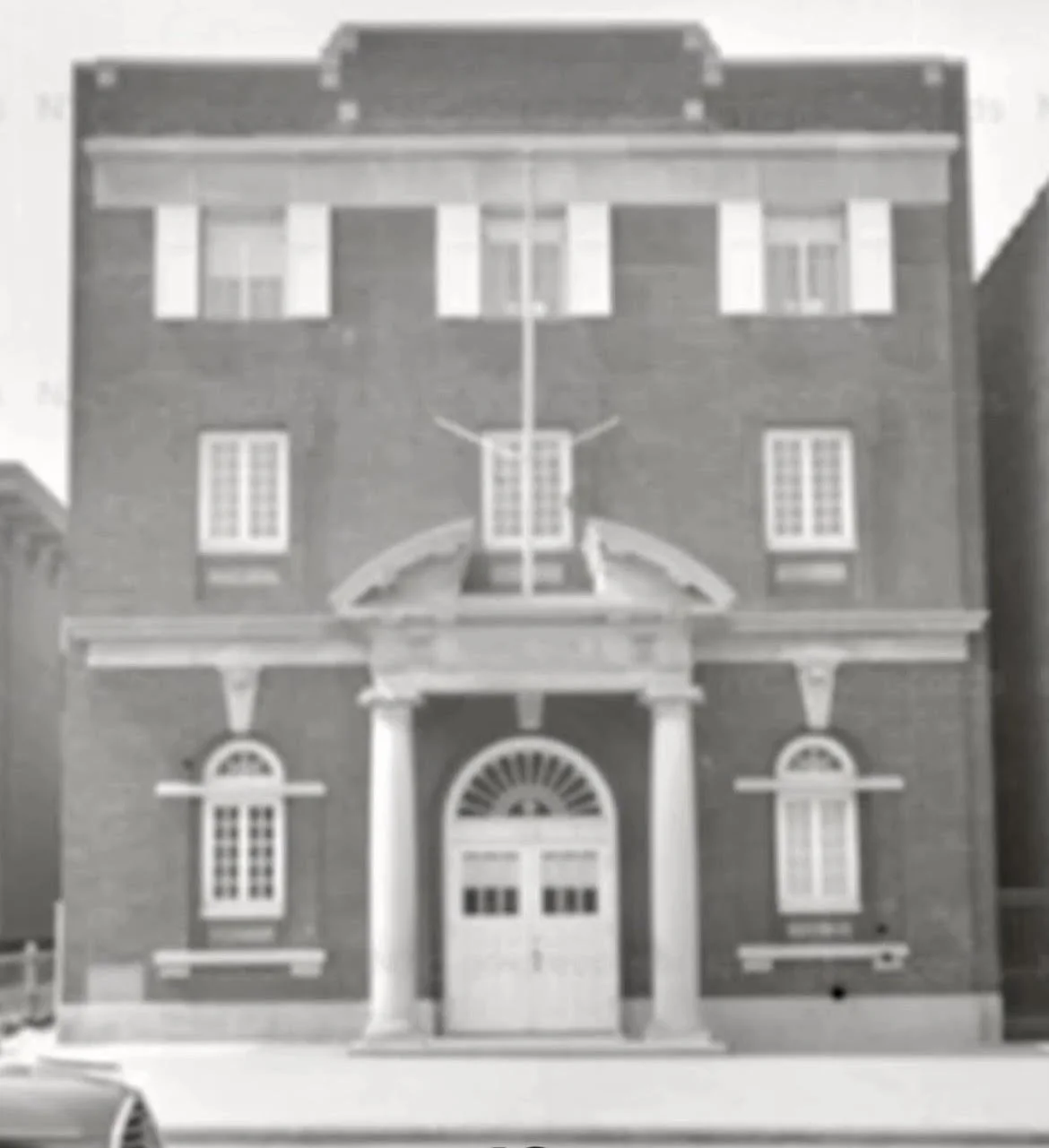
Advance Masonic Temple, 1941
Among them was Benjamin S. H. Maillefert, a pioneering underwater explosives engineer whose work helped clear Hell Gate and open the East River to safer navigation and heavier industry. Julius H. Striedinger continued that tradition as a civil engineer and demolition expert involved in harbor improvements and controlled blasting.
Dr. Thomas Rainey devoted decades to the dream of a bridge linking Manhattan and Queens, a vision later realized in the Queensboro Bridge. Surveyor Peter G. Van Alst and engineer Ernest Ankener helped lay out the streets and infrastructure of Long Island City and western Queens. Horatio S. Sanford, one of the last mayors of independent Long Island City, strengthened public finances, schools, and civic planning. Frederick Skene rose to statewide prominence in transportation and engineering, while Anthony “Speed” Hanzlik carried the lodge’s practical spirit into the aviation age through Flushing Airport.
Together, they were more than lodge members. They were men whose work reshaped channels, roads, bridges, neighborhoods, and institutions across the borough.</p1?
The Building Still Speaks
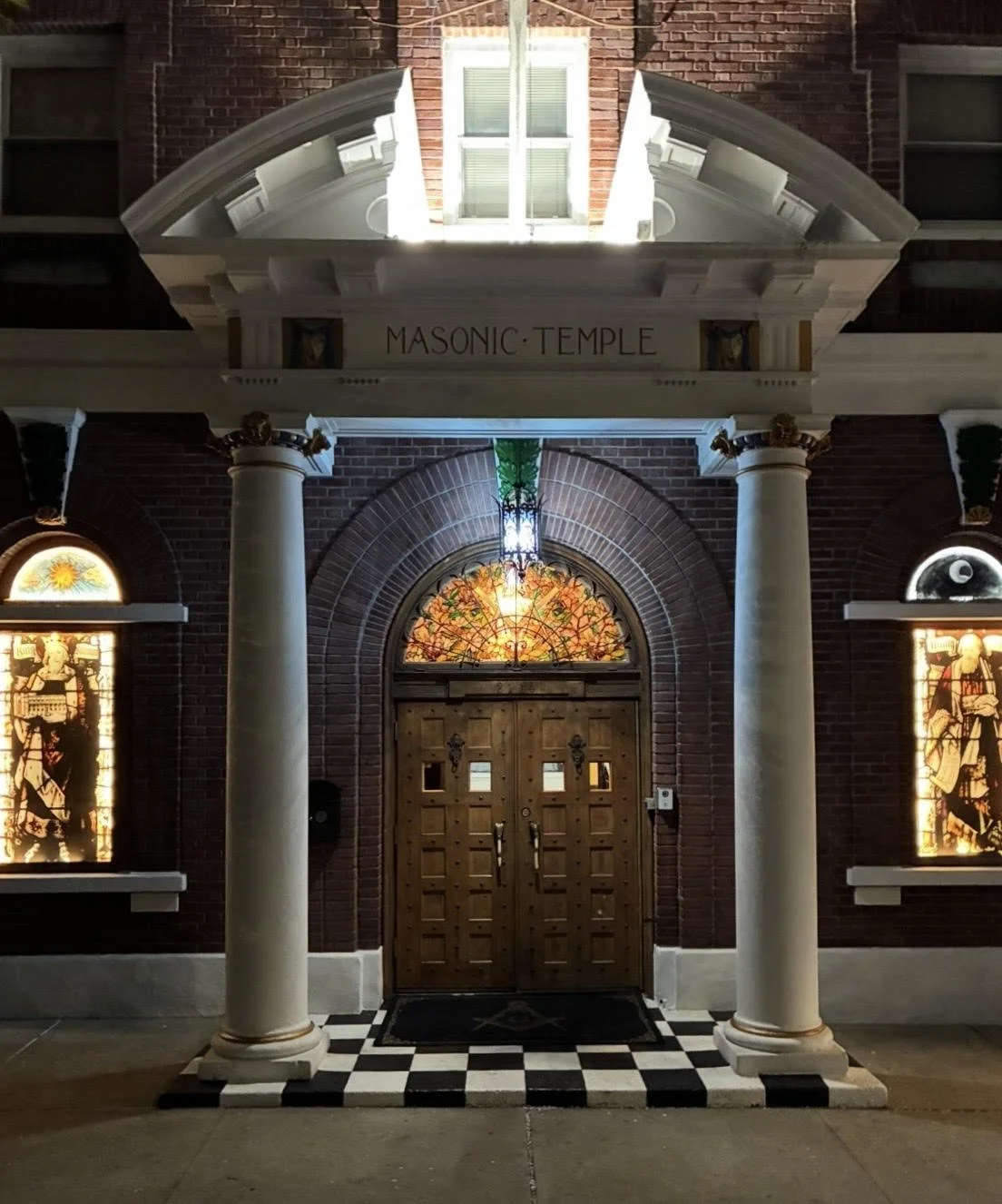
Advance Masonic Temple, 2026
The words carried both reverence and continuity. Advance Lodge had already crossed nearly half a century by then. In the years since, under changing names and numbers, its traditions have survived as Queens itself transformed around it.
Today, at 21-14 30th Avenue, the building can appear almost ordinary, tucked into the daily life of Astoria. But its cornerstone still tells a larger story: of men who gathered not only for ritual, but for service; not only for fellowship, but for building.
They helped shape a borough. And true to their name,and the ship they were named afetr, they advanced.
Related Articles
Advance Lodge Charter — Where the Story Begins
The Advance Masonic Temple — A Building with a long memory
USS Advance — The Ship that gave us our name
Advance Service Mizpah Lodge No. 586 — The Story continues here