Advance Lodge: The Charter That Built a Brotherhood
Before Astoria was defined by apartment blocks, bridges, and constant motion, it was a river village of tradesmen, ferries, workshops, and shoreline industry. In that setting, twenty-two Masons decided to establish a lodge of their own.
The lodges they belonged to were too far away for regular attendance. Rather than let distance weaken fellowship, they chose to build it closer to home. What they founded was Advance Lodge, a name that suggested movement, purpose, and a future still taking shape.
Astoria in 1866
Ship carpenters, merchants, blacksmiths, hotel keepers, and craftsmen formed the backbone of the community. Streets were still becoming streets. Public halls doubled as civic and social space. Immigration brought new languages, new trades, and new ambitions.
It was a place in transition, industrious, international, and alert to possibility. It was also exactly the kind of place where a lodge could mean something.
The Charter
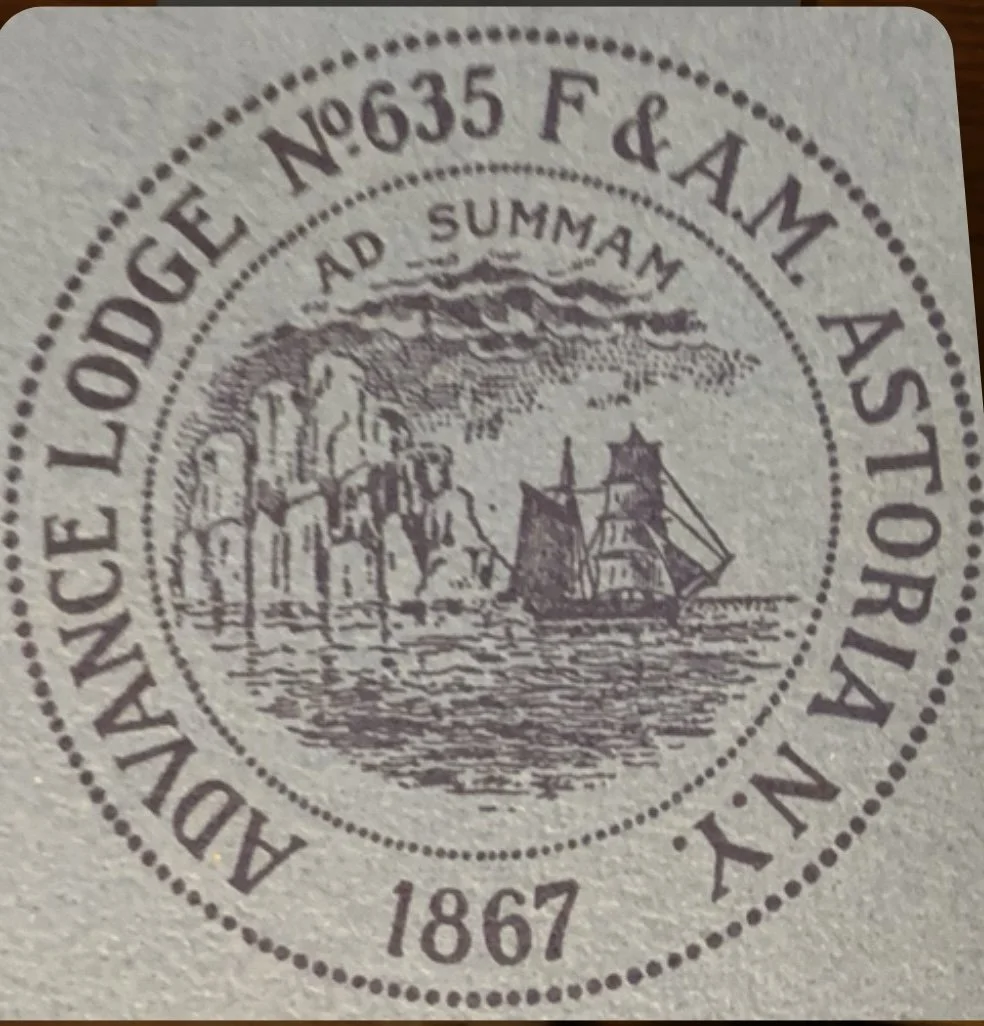
The Official Seal of Advance Lodge no.635
On January 22, 1867, that petition was granted and the dispensation was issued.
The name “Advance” likely served two purposes. It distinguished the new lodge from Astoria Lodge of the Odd Fellows, and it expressed something larger: progress, aspiration, and forward motion. The lodge took its name and drew part of its identity from the Arctic exploration vessel Advance, adopted the motto Ad Summam; “To the Highest Degree.”
“A young lodge, in a growing village, defining itself by aspiration.”
The First Meetings
The rooms were modest and fire-damaged, but the work began immediately.
Soon afterward, the lodge moved to a Hall on Fulton Avenue, where it shared rooms and expenses with the Odd Fellows. The two groups also jointly purchased lodge furnishings from Marsh Lodge in Williamsburgh, a practical arrangement that reflected the cooperative habits of the time.
On July 3, 1867, the charter was formally granted. Two days later, on July 5, Advance Lodge held its first communication under charter.
The Founders
They came from Scotland, Sweden, England, Ireland, Germany, Spain, and across the United States. They worked as florists, painters, printers, merchants, blacksmiths, carpenters, hotel keepers, customs officials, brokers, ship carpenters, and surveyors.
This was not a lodge built by one trade, one family, or one corner of the village. It was built by a broad brotherhood of working men and public-minded citizens.
Charter Members of Advance Lodge No. 635
- John E. Oloff, Sweden; ship carpenter.
- Edwin A. Cadwell, Ohio; painter.
- James D. Torrey, U.S.A.; printer.
- Caleb G. Francis, Connecticut; merchant.
- Charles Cranfield, England; painter.
- James M. Whitcomb, Massachusetts; Harbor Master.
- William M. Berger, New York; merchant.
- Charles Risdale, England; blacksmith.
- Edward Chauncey Graham, New York; broker.
- Robert McCoskry Graham, New York; marine insuranceo.
- Cornelius R. Morris, Astoria; blacksmith.
- Robert T. Wild, England; U.S. Customs.
- Charles C. Howell, Long Island; carpenter.
- Edward T. Jenkins, New York; coppersmith.
- Martin Willis, Ireland; hotel keeper.
- William B. Wilson, New York; hotel keeper.
- John L. Morris, Astoria; blacksmith.
- Julius J. Umschlag, Germany; tailor.
- Benjamin S. H. Maillefert, Spain; submarine surveyor.
- Charles O. Man, Troy, New York.
- Joseph Curtis, New York; ship carpenter.
The Men Behind the Charter
These were men of the river and the road, of the shop floor and the counting room. Some were recent arrivals to the neighborhood. Others were deeply rooted in it. Together, they represented the practical intelligence and civic confidence of a village on the rise.
Their charter reads like a social map of old Astoria.
John R. Clark: The First Master
A florist by trade, he became a charter member of Advance Lodge and was selected as Master at the first meeting held under dispensation. He then continued in that role through the ensuing term under charter.
Clark helped set the lodge’s first tone: orderly, earnest, and grounded in the seriousness of beginning well.
John E. Oloff: Ritual, Service, and Steadiness
Born in Sweden in 1829, Oloff was raised in Silentia Lodge and later became a charter member of Advance Lodge in 1867. A ship carpenter by trade, he brought the discipline of skilled work into lodge life.
He served as Master in 1869, 1870, 1875, and 1876. In 1887, he was elected Treasurer, an office he held for fifteen years.
But his reputation rested on more than office. He was remembered as one of the best-informed men of his time in the standard work of the fraternity, and as a patient teacher who never tired of instructing others in proficiency.
“He never tired of the work of instructing the votaries of masonry in the essentials of proficiency.”
One account recalls that he especially loved speaking with brethren along the river shore, where the natural world itself seemed to form a temple for reflection and instruction. John Oloff was later memorialized by Advance Lodge at St. Michael’s Cemetery.
Robert McCoskry Graham: Civic Vision and Fraternal Influence
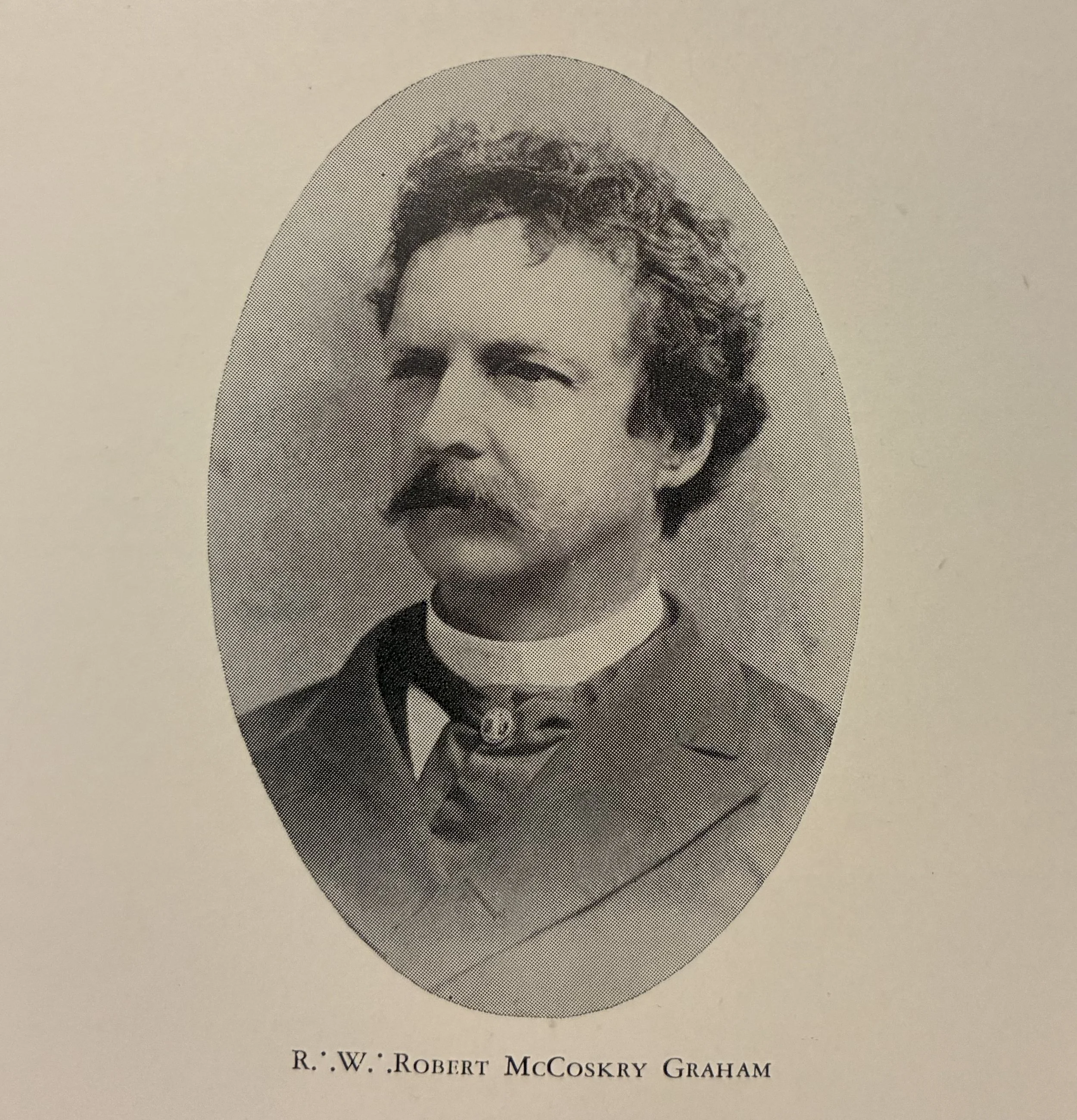
A man of marine insurance and broad civic ambition, he served as President of the Village of Astoria from 1866 to 1868, sat on the Queens County Board of Supervisors, and took part in major improvement efforts that shaped the region’s development. He was also active in infrastructure and transportation ventures, including the New York and Long Island Bridge Company, an early effort to imagine a permanent connection between Manhattan and Queens.
Within Masonry, Graham’s influence extended well beyond the local lodge. He later served as Worshipful Master of Advance Lodge and went on to prominence in Scottish Rite Masonry.
“His life reflects the reach of the lodge’s founding circle: these were not only men of fellowship, but men helping to build the civic framework of their time.”
Benjamin S. H. Maillefert: The Engineer Among the Founders
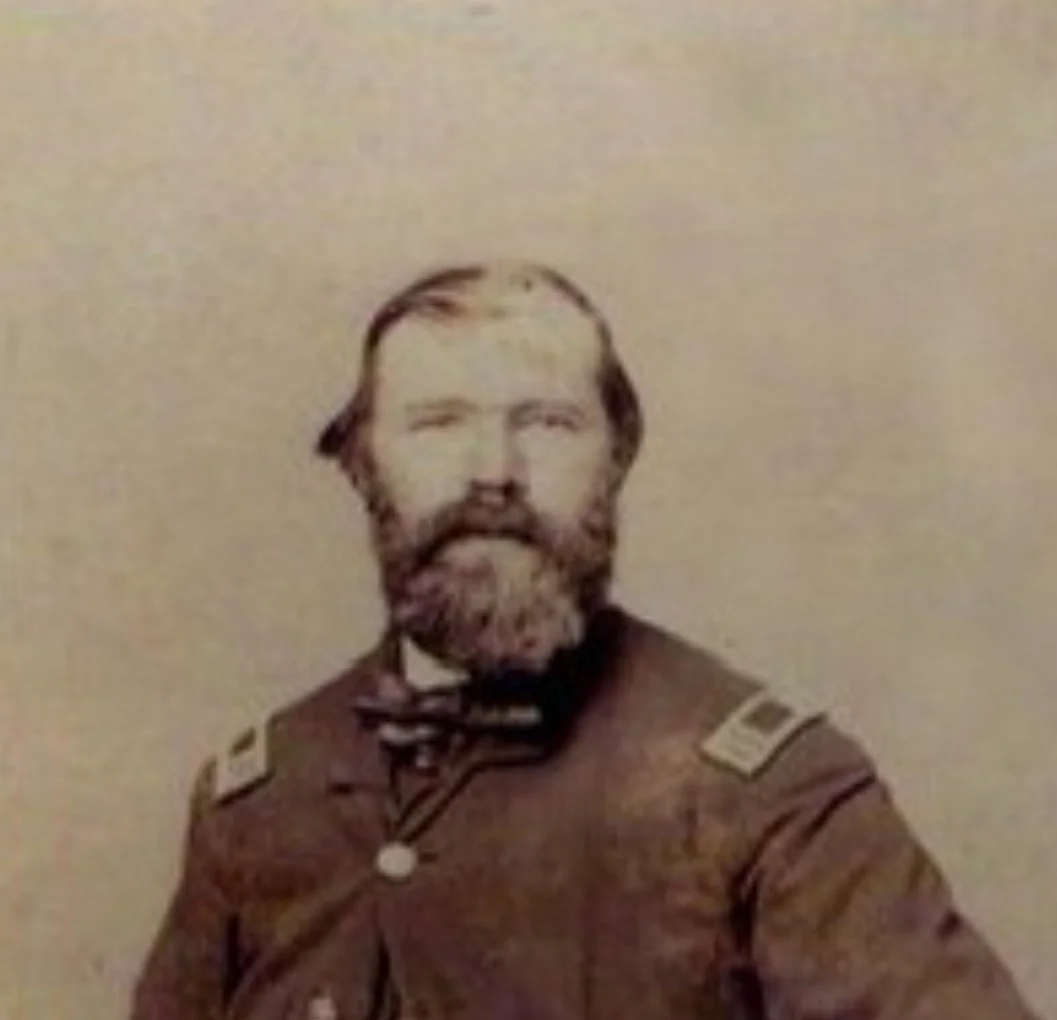
His work at Hell Gate made him especially notable. There, amid some of the most dangerous waters in the region, he pioneered the use of electrically detonated underwater charges to break apart hazardous rock formations and improve navigation.
He patented innovations in underwater blasting and later developed a distinctive diving bell. During the Civil War, his expertise in underwater engineering and torpedo safety brought him into consultation with the Union Navy.
That a man of such technical audacity stood among the founders of Advance Lodge adds a dramatic dimension to the charter.
Benjamin S. H. Maillefert brought engineering daring and international experience to the founding of Advance Lodge.
What the Charter Means Now
It is a snapshot of Astoria at a formative moment: a village of tradesmen, immigrants, civic leaders, and working men choosing to build an institution rooted in fellowship and service. It tells us that early Astoria was not just growing. It was organizing itself. Its people were creating durable forms of mutual support, identity, and aspiration.
That is why the charter still matters. It preserves the moment when a local brotherhood decided to become permanent.
Advance Lodge began in borrowed rooms, with damaged walls and modest means, but with uncommon clarity of purpose. Its founders did not wait for ideal circumstances. They gathered, petitioned, organized, and built. In doing so, they gave Astoria more than a lodge. They gave it an institution shaped by labor, memory, aspiration, and the enduring belief that brotherhood is strongest when rooted close to home.
Related Articles
Advance Lodge Cornerstone Ceremony — The Temple takes shape
The Advance Masonic Temple — A Building with a long memory
Notable Members of Advance Lodge No. 635 — The Men behind the legacy
USS Advance — The Ship that gave us our name
Advance Service Mizpah Lodge No. 586 — The Story continues here