The Lodge That Would Not Yield
In Astoria, Advance Lodge No. 635 was shaped not only by charter and ritual, but by endurance, generosity, humor, and the steady commitment of men who made fraternity something lived.
Long before it built a temple of stone, it had already built something rarer: a character strong enough to withstand hardship, success, war, loss, and time itself.
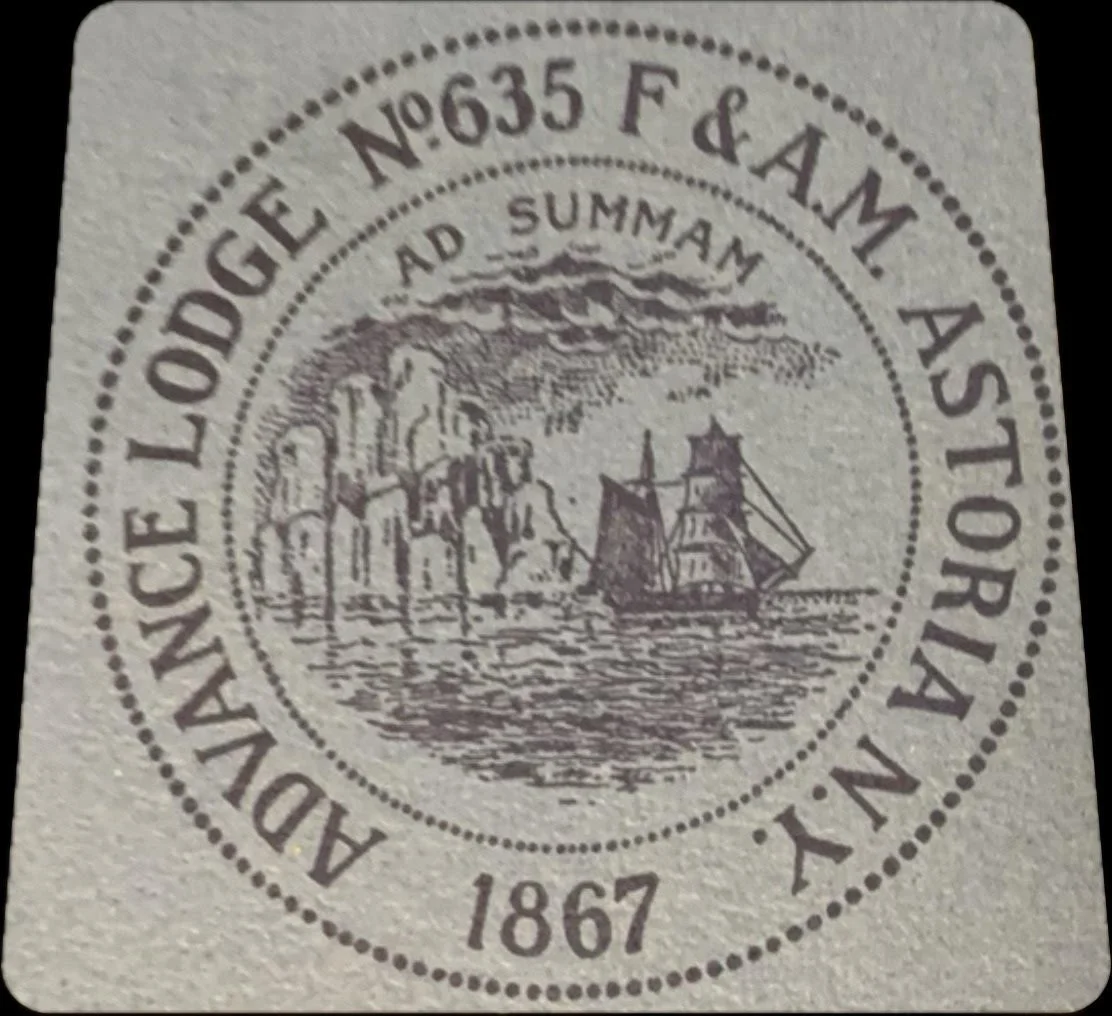
the Official Seal of Advance Loge no.635
A Lodge Begins in Astoria
Some institutions begin in grandeur and spend years trying to justify it. Others begin in necessity and grow into something lasting. Advance Lodge belonged to the second kind.
In 1866, twenty-two Masons gathered in Astoria over what seemed, at first, a practical problem. The lodges to which they belonged were too far away. Travel was difficult. Attendance was irregular. At the same time, they could already see that Astoria was growing in commerce, population, and civic importance. What emerged from that meeting was more than a wish for convenience. It was a desire for nearness; for a lodge woven into the life of the town, not visited only when circumstances allowed.
They petitioned the Grand Master of New York and chose a name that carried both intention and aspiration: Advance.
In time, the name proved exact. Progress did not come through spectacle. It came through steadiness, through the refusal to retreat in the face of difficulty.
Rooms Above the Street
The lodge’s earliest meetings took place in modest and imperfect spaces. Its first hall stood above a shoe store near the Hallett family burying ground, in a building already marked by fire. Soon after, the brethren moved to rooms above a tinsmith’s shop. The lighting was poor, the heat uncertain, and ventilation a recurring complaint.
The lodge did not wait for ideal conditions. It began where it could, sustained by the belief that brotherhood does not depend on perfect surroundings.
Before Advance Lodge No. 635 had a building worth admiring, it had already developed the habits that make an institution worth preserving: patience, discipline, mutual responsibility, and the ability to give purpose to imperfect conditions.
Its dignity was not inherited. It was built.
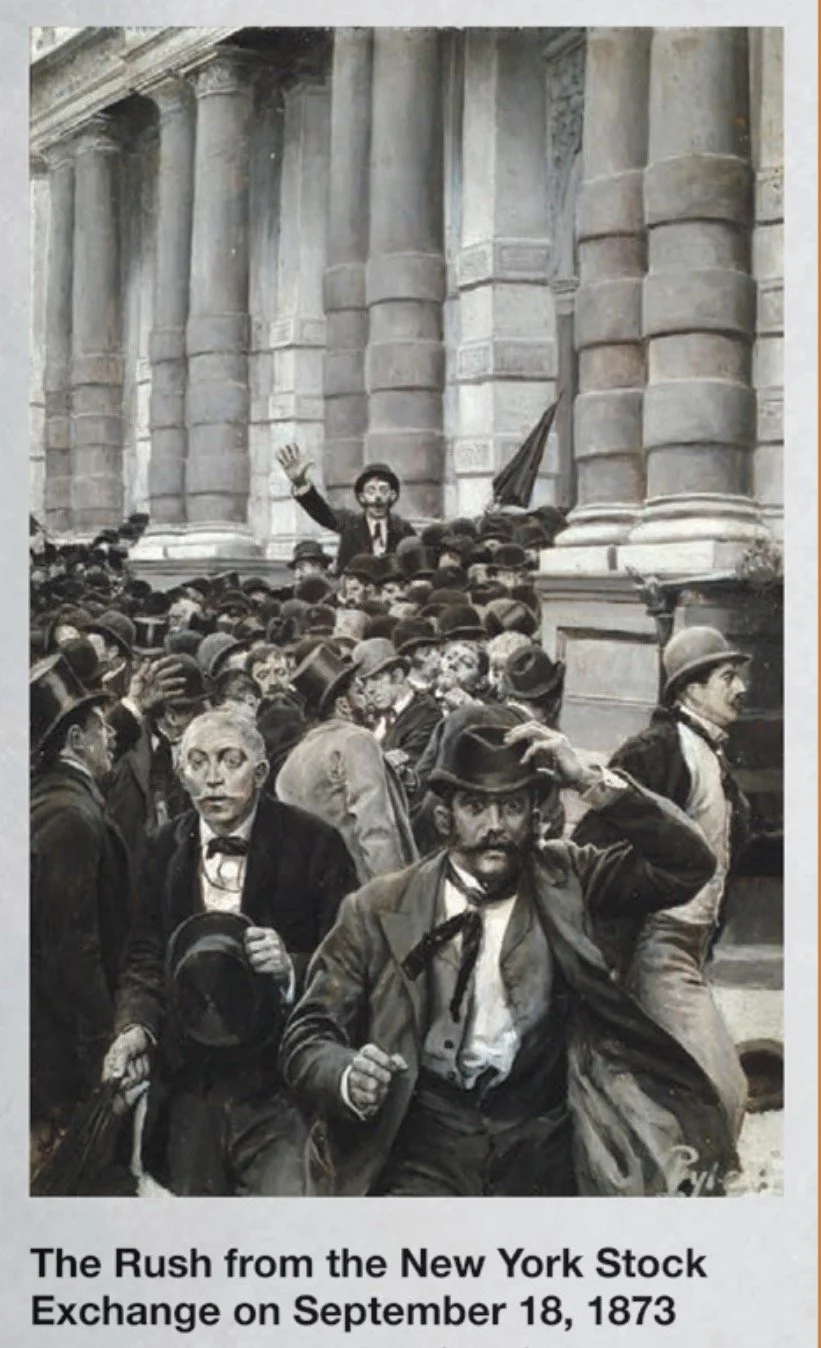
What Hard Times Revealed
If prosperity can flatter an institution, hardship reveals it.
After the Panic of 1873, Astoria, like much of the country, fell under economic strain. Membership slowed. Dues became harder to collect. Some brethren left in search of work. The lodge’s finances weakened, and officers at times served with little or no compensation.
Yet the record shows something striking: as resources shrank, generosity did not.
Brothers in need were assisted. Nursing care was paid for in a town without a hospital. Funerals were arranged for families who could not afford them. Petitioners were still received with kindness.
Again and again, the lodge chose to err on the side of mercy.
One case from 1879 stands out. A brother had drowned in Lake Ontario, leaving behind a destitute widow in Baltimore. The lodge immediately arranged for continued efforts to recover his body and, once he was found, ensured that he received a proper Masonic burial. Funds were raised not only to cover the expenses, but to provide support for his widow.
The minutes captured it simply: the spirit of Advance had triumphed.
That spirit was not merely administrative. It was moral.
Gravity, Charity, and Good Humor
Seriousness did not make the lodge joyless.
Alongside records of charity and hardship are glimpses of music, recitations, festive gatherings, and humor. In one early hall, poor ventilation prompted the landlord to install a curious metal fixture on the roof. Neighbors joked that it must be where the Masons kept the goat. The brethren, rather than resisting the joke, later embraced it and staged a playful appearance of the “goat” at a social event.
Such moments matter. Institutions endure not by discipline alone, but by affection. People return to places where they find both purpose and warmth.
Advance Lodge No. 635 was not only respectable. It was alive.
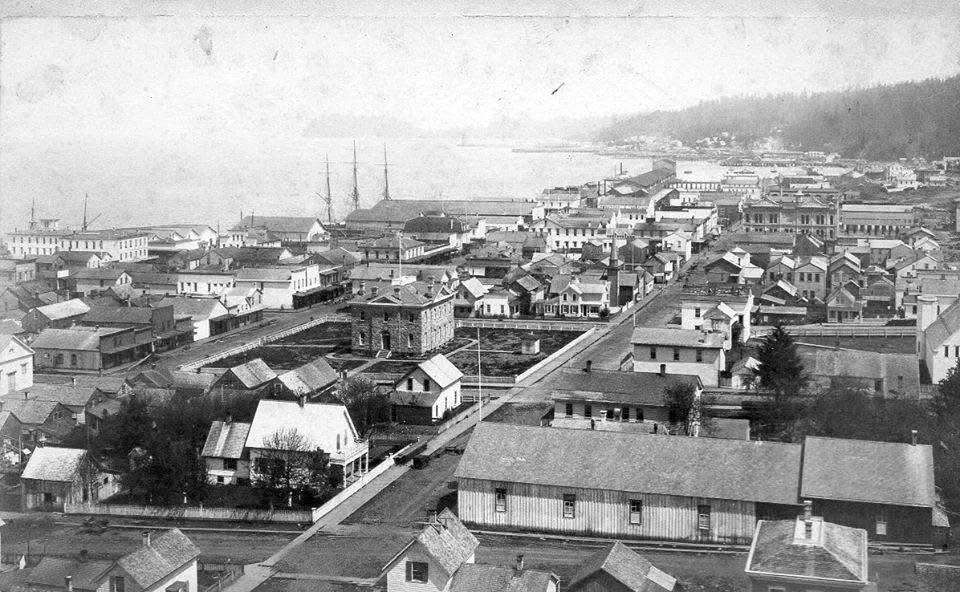
Astoria Quns nte Mid 1800’s
Rooted in the Life of the Town
As Astoria grew, the lodge grew with it. Its members included physicians, clergy, lawyers, engineers, educators, and public officials. The lodge was not separate from civic life. It helped shape it.
What took place within the lodge extended outward into the community; into schools, churches, public service, and charitable works. It was never a retreat from the world, but a place that prepared men to meet the world more fully.
Advance Lodge was not simply located in Astoria.
It belonged to Astoria.
The Long Road to a Permanent Home
For many years, the lodge met in rented quarters, dependent on landlords and constrained by rooms that could never fully be its own. In time, the desire for a permanent home grew stronger.
The process was slow and deliberate. Committees were formed, sites were debated, and funds were raised carefully. Bonds were issued so that the members themselves could help sustain the effort. Progress may at times have seemed delayed, but it was never careless.
Advance Lodge No. 635 did not rush toward permanence.
It built toward it.
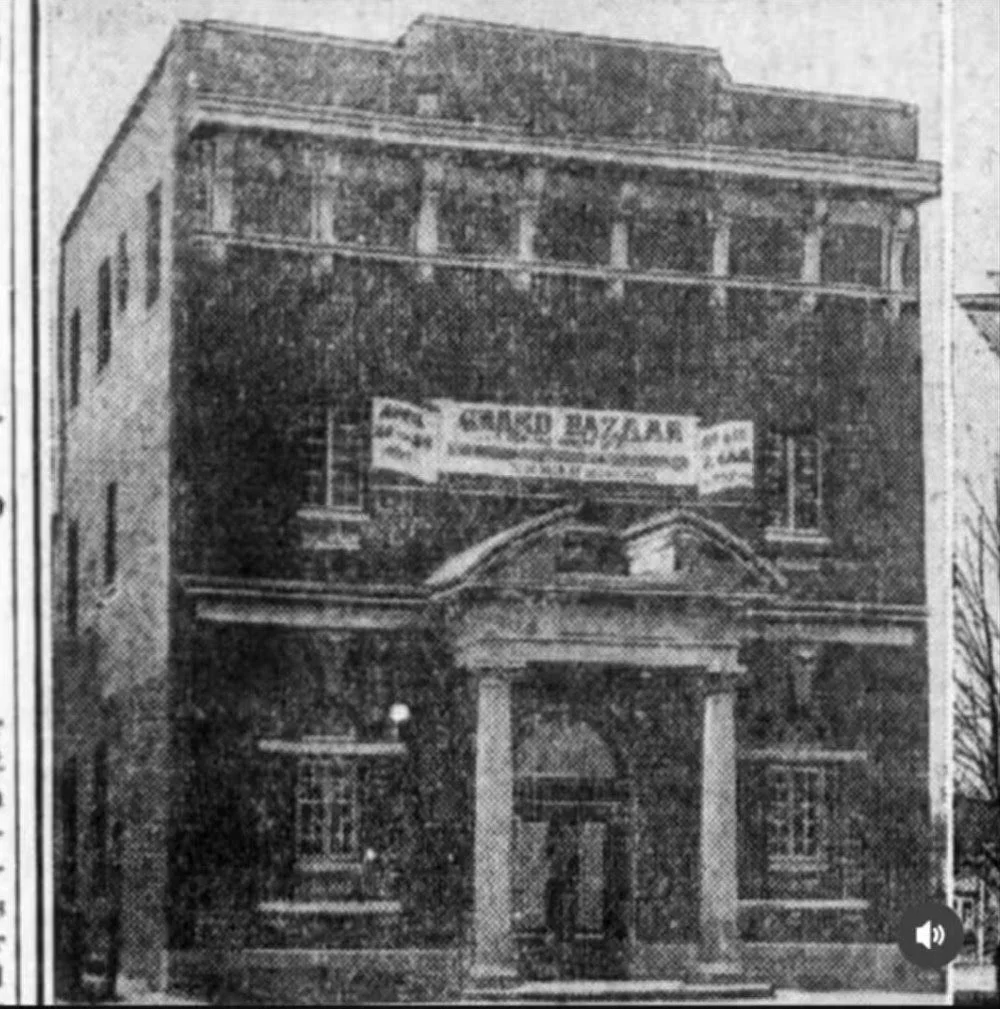
Advance Masonic Temple 1916 Grand Openning
Building on Grand Avenue
In 1915, construction began on Grand Avenue. The laying of the cornerstone became a public celebration marked by procession, music, and broad community participation. By 1916, the lodge held a week-long grand opening fair. At last, it had its new temple.
The building mattered, but not because it created the lodge’s character.
It revealed it.
The Demands of War
The First World War brought a different kind of urgency. Young men sought initiation before leaving for service. Degrees were conferred quickly under special dispensation. Meetings ran late into the night.
The lodge responded with care and practicality. Dues were remitted for brethren in service. A Roll of Honor was established. A service flag was displayed in the lodge. Relief efforts were supported.
When the war ended, the fallen were remembered and the returning were welcomed.
The lodge honored both without spectacle.
Growth, Instruction, and Change
After the war, Astoria changed quickly. The population expanded. The neighborhood grew more diverse. The pace of life accelerated.
Advance Lodge adapted. It placed greater emphasis on education, instruction, and communication. Speakers were invited. Educational materials were shared. Brotherhood was not treated as something automatic. It was taught, cultivated, and renewed.
The lodge met modern life directly without surrendering its identity.
Depression and Duty
The Great Depression brought another severe trial. Finances tightened. Membership declined.
Once again, the lodge responded with care rather than indifference. Members facing hardship were supported, not judged. Relief efforts continued. Expenses were managed prudently, but compassion remained intact.
The same pattern endured: pressure did not diminish the lodge’s character. It clarified it.
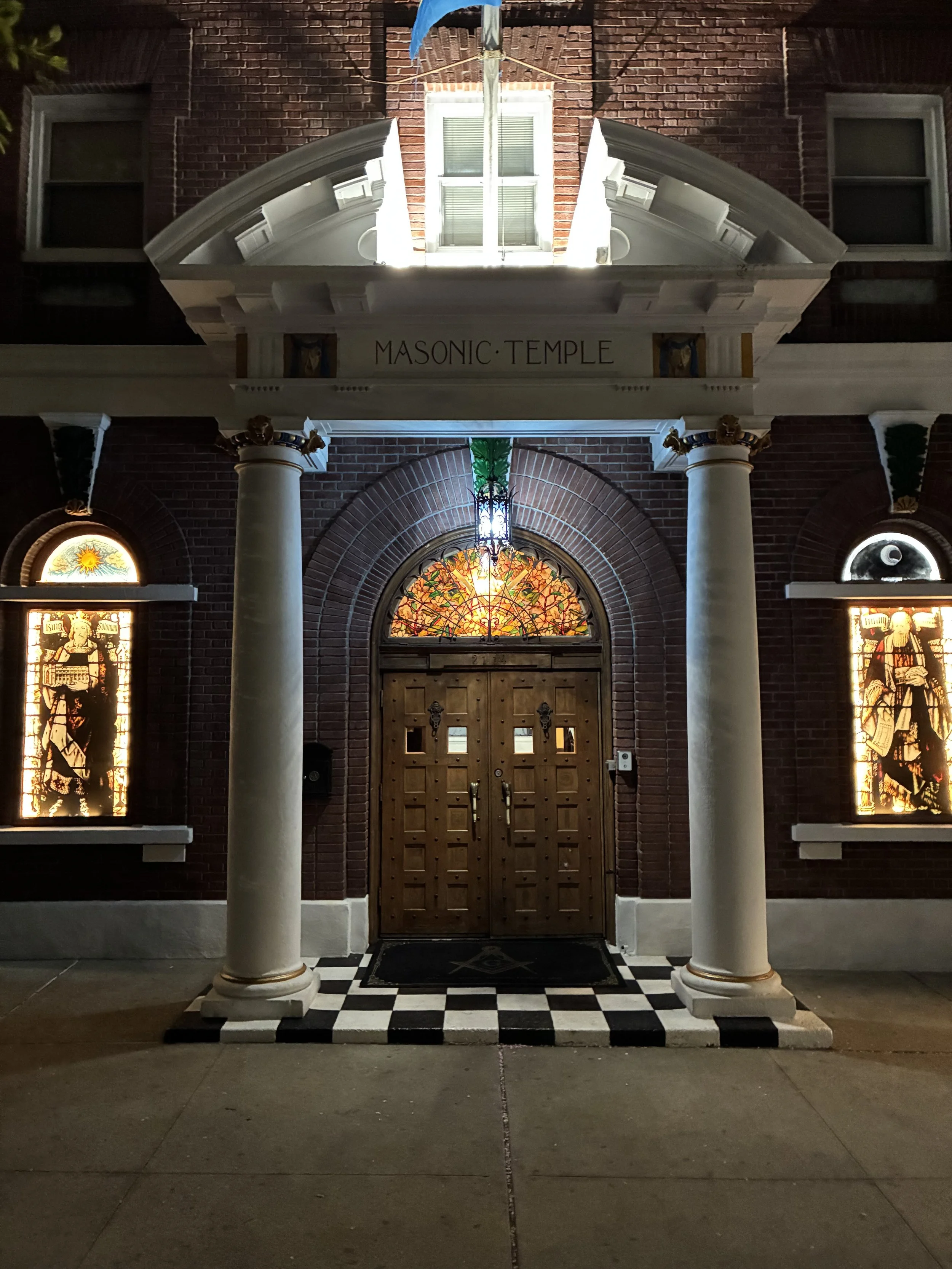
Advance Masonic Temple, 30Th Ave
A Home for Many Lodges
The lodge’s records are filled with letters from servicemen, from the Civil War through the Vietnam era. The building still holds photographs, commendations, and reminders of those years in frames, boxes, closets, and along its walls.
Like much of the fraternity, Advance Lodge saw interest decline during the 1960s. Membership fell again during the economic turmoil of the 1980s. For nearly 130 years, however, the lodge and its building remained under their original charter as Advance Lodge No. 635.
By the 1990s, rising property taxes and shrinking rosters forced many lodges across the city to sell their buildings, merge, or consolidate resources. The Advance Masonic Temple in Astoria became a welcoming home to many lodges from the Queens District. The Master’s station still bears the lodge stones of several of them, many now faded into history: Forest Hills Lodge, Wanderer Lodge, Island City Lodge, Geba Lodge, City Lodge, Service Lodge, and Mizpah Lodge, among others.
The building also housed the School of Instruction, appendant bodies, the Order of the Eastern Star, Azim 106, the International Order of the Rainbow for Girls, and other Masonic organizations.
In the 1990s, Advance Lodge merged with Island City Mizpah. Then, in 2018, Advance Island Mizpah Lodge merged with Service City Geba Lodge to form Advance Service Mizpah Lodge No. 586, which still meets at the Advance Masonic Temple on the first and third Wednesday of every month.
What Endures
It is easy to focus on milestones: charters, buildings, dates, and numbers. But those are only the visible parts of the story.
What made Advance Lodge No. 635 enduring was the consistency of its character.
It began in a desire for fellowship. It grew through hardship. It remained generous under pressure, steady in success, grounded in memory, and open to the future. It balanced seriousness with warmth, tradition with adaptability.
Its temple on 30th Avenue stands as a symbol.
But its truest structure was built over time: in loyalty, charity, discipline, humor, and the quiet decision, repeated across generations, to remain accountable to one another.
That is the kind of structure that lasts.