The Watchtower in Elmhurst
How Mizpah Lodge No. 738 grew up with old Newtown, witnessed the making of Elmhurst, and gave a changing Queens neighborhood a memory of itself
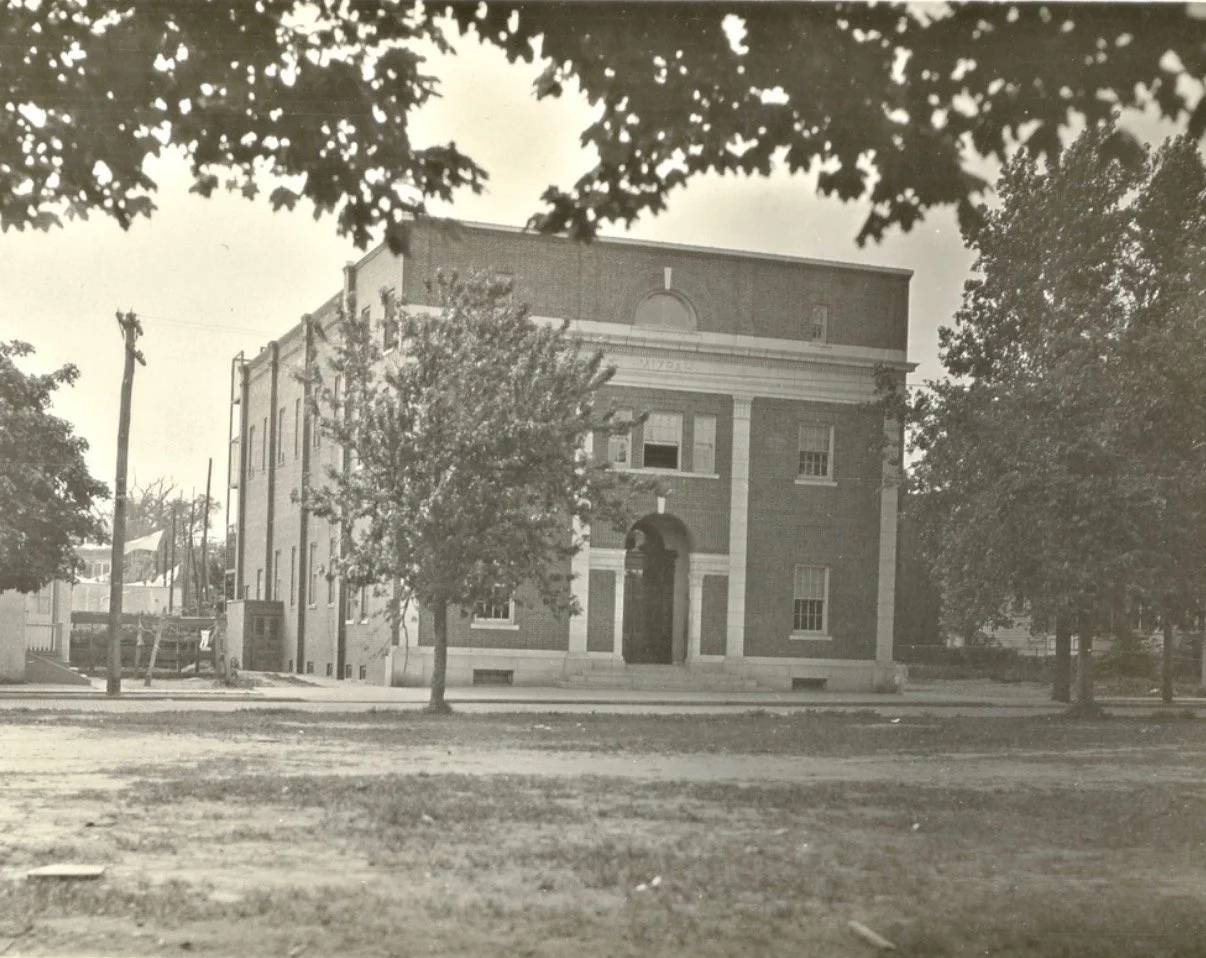
MIzpah MasonicTemple, 87=11 Whitney Ave, Elmurst
On New Year’s Day, 1920, men from across Queens gathered in Elmhurst to watch a cornerstone laid.
The building rising at Warner Avenue and Ketcham Place was no modest hall. It would be a red-brick Masonic temple, three stories tall, with an auditorium large enough for more than 500 people, a lodge room above, a dining room on the top floor, and bowling alleys in the basement. Officials came. Speeches were made. A commemorative trowel was presented. In the cold light of a January afternoon, a local fraternity did what ambitious institutions do when they mean to last: it turned fellowship into architecture.
The ceremony was about more than a building. It was about the making of Elmhurst itself.
History favors the large and dramatic. It preserves bridges, bosses, scandals, towers. What it often misses are the smaller institutions that teach a place how to know itself. A neighborhood is made not only by streets and real estate, but by the people who keep meeting as the world changes around them; who preserve rituals, bury their dead, welcome newcomers, and insist that local life has shape, continuity, and memory.
Mizpah Lodge No. 738, founded in 1873, was one of those institutions.
Its name meant “watchtower,” and the word proved prophetic. Over the decades, Mizpah watched old Newtown, with its farms and village center, become Elmhurst, a denser and more urban part of New York. It saw names change, roads widen, and the rural landscape disappear. What it offered in return was continuity: a structure of memory in a place repeatedly remade.
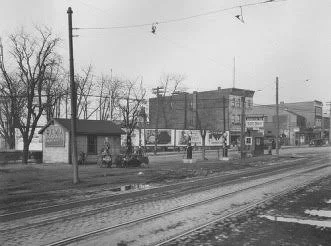
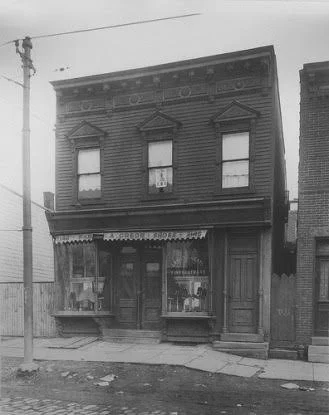
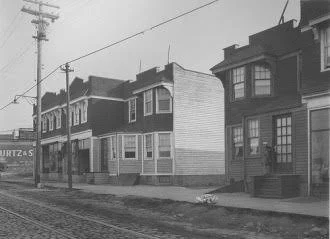
The Village Before the Boulevard
Long before apartment blocks and traffic, this part of Queens was rural country: orchards, lanes, churchyards, farms. The settlement known as Newtown carried the layered history of colonial New York, Dutch and English alike, and for generations it remained recognizably village-like.
As late as 1873, when Mizpah was founded, Newtown was still small. According to the lodge’s own records, the area had only a few thousand residents, while all of Queens County had roughly 50,000. The local center clustered around what is now Broadway and Queens Boulevard. There was one school, a handful of shops, five churches; and no Masonic lodge.
That absence mattered. Fraternal life in the nineteenth century depended on physical presence. Local Masons had to travel to Jamaica, Flushing, Astoria, or Hunters Point to attend lodge. These were not impossible journeys, but distance counted for more then, particularly in those horse carriage days. To found a lodge in Newtown was not simply a matter of convenience. It was a declaration that this village had become substantial enough to support one of its own institutions.
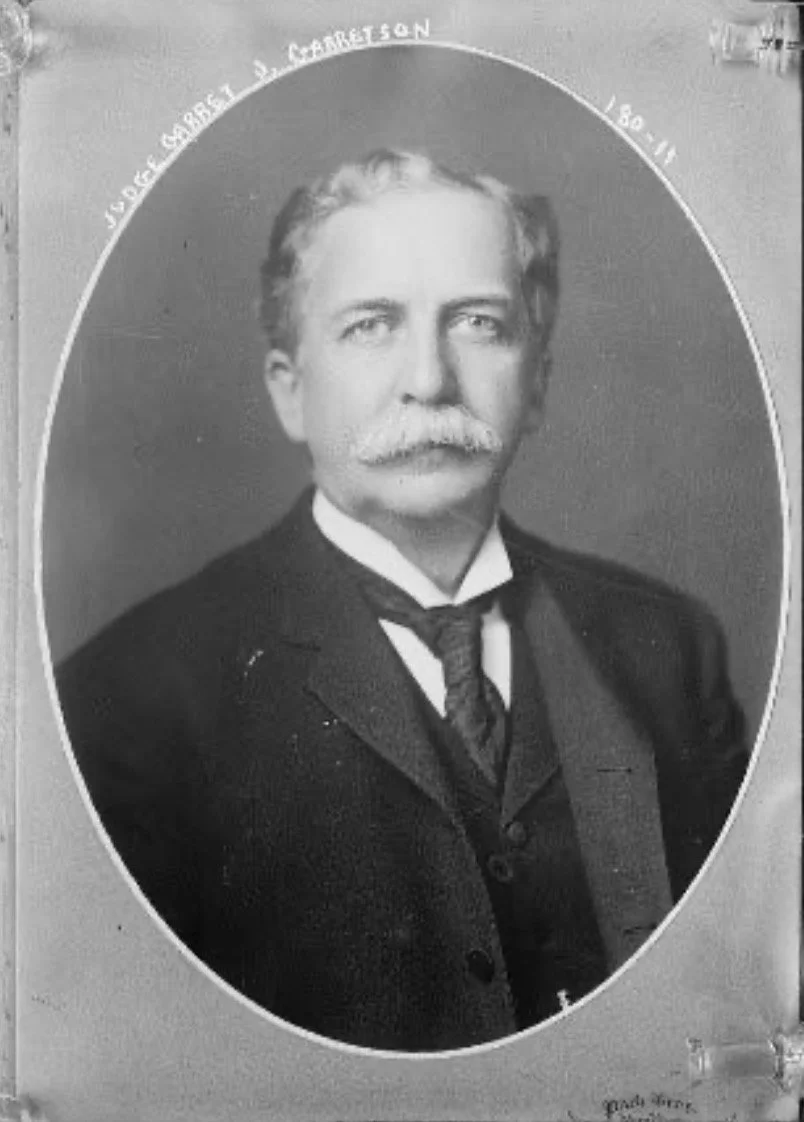
Judge Garret James Garretson (1847-1922)
Nine Men, One Law Office
So nine Master Masons petitioned for permission to establish a lodge. On February 13, 1873, Grand Master Christopher G. Fox granted the dispensation. Garret J. Garretson, a lawyer who would later become a Supreme Court justice, was named Master.
The first communication of Mizpah Lodge,Under Dispensation, was held two weeks later, on February 27, in Garretson’s law office.
The detail is worth pausing over. Institutions that later look permanent often begin in improvised rooms. Before there was a temple, before there was even a proper lodge hall, there was a local office and a handful of men determined to make something durable.
Within six weeks, they had moved into rooms on the top floor of the Jebbens Building on Broadway. The members furnished the space themselves, at a cost of $529.11. Island City Lodge No. 586, which had helped them obtain their charter, presented the new lodge with the Holy Bible, Square, and Compasses. The Bible remained in ceremonial use for generations. That is how institutions acquire depth: by returning to the same objects and forms until use becomes memory.
On June 27, 1873, Mizpah Lodge No. 738 formally received its charter.
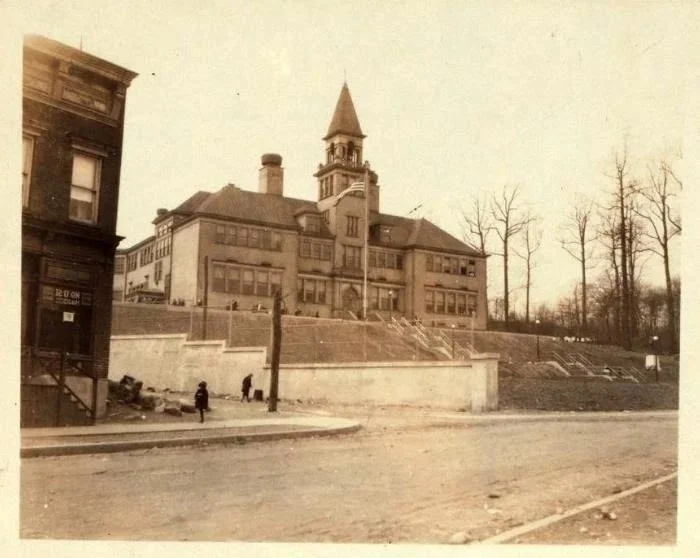
P.S.11 Woodside
A Lodge Takes Root
The lodge prospered quickly. By 1876, it had thirty-nine Master Masons. But numbers tell only part of the story. Mizpah also entered public life.
Its officers laid cornerstones for civic buildings, including Public School 11 in Woodside. Such ceremonies may now seem decorative, but they once carried real weight. They marked a school or other public building as not merely useful, but communal and moral;a thing raised with shared purpose. Masonry supplied ritual to the civic life of a growing place.
The lodge also gained standing beyond Newtown. In 1885, George M. Williamson, a former Master of Mizpah, was appointed District Deputy Grand Master of the First Masonic District, covering most of Long Island outside Brooklyn. For a lodge only a dozen years old, that was a mark of unusual prestige.
If there is a local comparison to be made, it is the Newtown Pippin. The famous apple, admired by Thomas Jefferson, was prized for its firmness and for a flavor that improved with keeping. It was a local product with a reputation far beyond its home ground. Mizpah had something of the same quality: rooted without being parochial, plain in origin but increasingly distinguished, a local growth that ripened rather than spoiled.
Some institutions bruise easily. Mizpah did not.
When Newtown Became Elmhurst
As Newtown became Elmhurst, the lodge moved with it. The transformation was gradual: better transportation, denser settlement, the fading of agricultural life. In 1898, Newtown became part of the newly consolidated City of New York. By the early twentieth century, the name Elmhurst increasingly took hold, signaling the shift from old village to modern residential district.
At the lodge’s twenty-fifth anniversary, in that same year of consolidation, Garretson, its first Master, again presided in the East. The image is striking: the founder returning at the moment the old town gives way to the greater city. Historians often emphasize rupture. Institutions like Mizpah reveal continuity. The map changes. The men still know where to sit.
By the early 1900s, Mizpah had outgrown its earlier quarters. In 1905, it began meeting in Arcanum Hall on Broadway. More honors followed. Past Masters and officers of the lodge rose to district office. “Doc” Wickham, one of Mizpah’s defining figures, installed officers year after year from 1912 to 1946, embodying the repetition and discipline by which institutions preserve themselves.
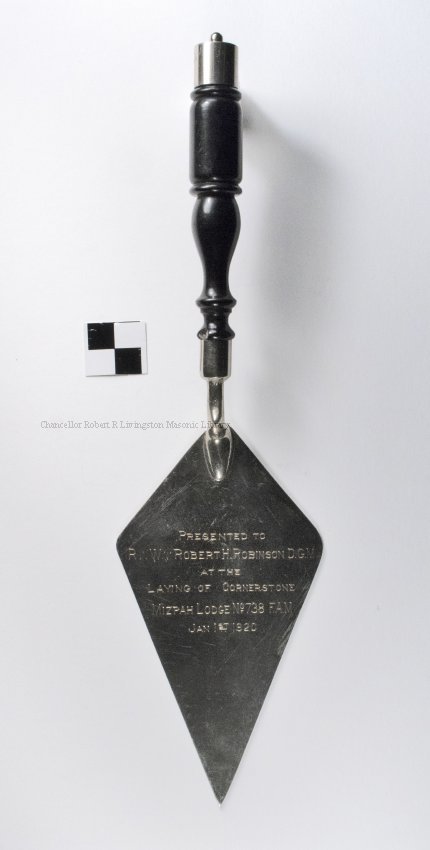
Mizpah Trowel presented to RW Robison
Turning Brotherhood Into Brick
Eventually, rented rooms were no longer enough. In 1916, the lodge purchased a site for $6,000. Construction began in 1919.
When the cornerstone was laid on January 1, 1920, lodges from across Queens were represented. One surviving object from that day, a commemorative trowel, captures the meaning of the occasion. In Masonic symbolism, the trowel spreads the cement of brotherly love and affection. In Elmhurst, that old metaphor became almost literal. After decades in offices, upper floors, and hired halls, the fellowship of the lodge had taken material form. The mortar between bricks stood for the social mortar the institution had long tried to supply.
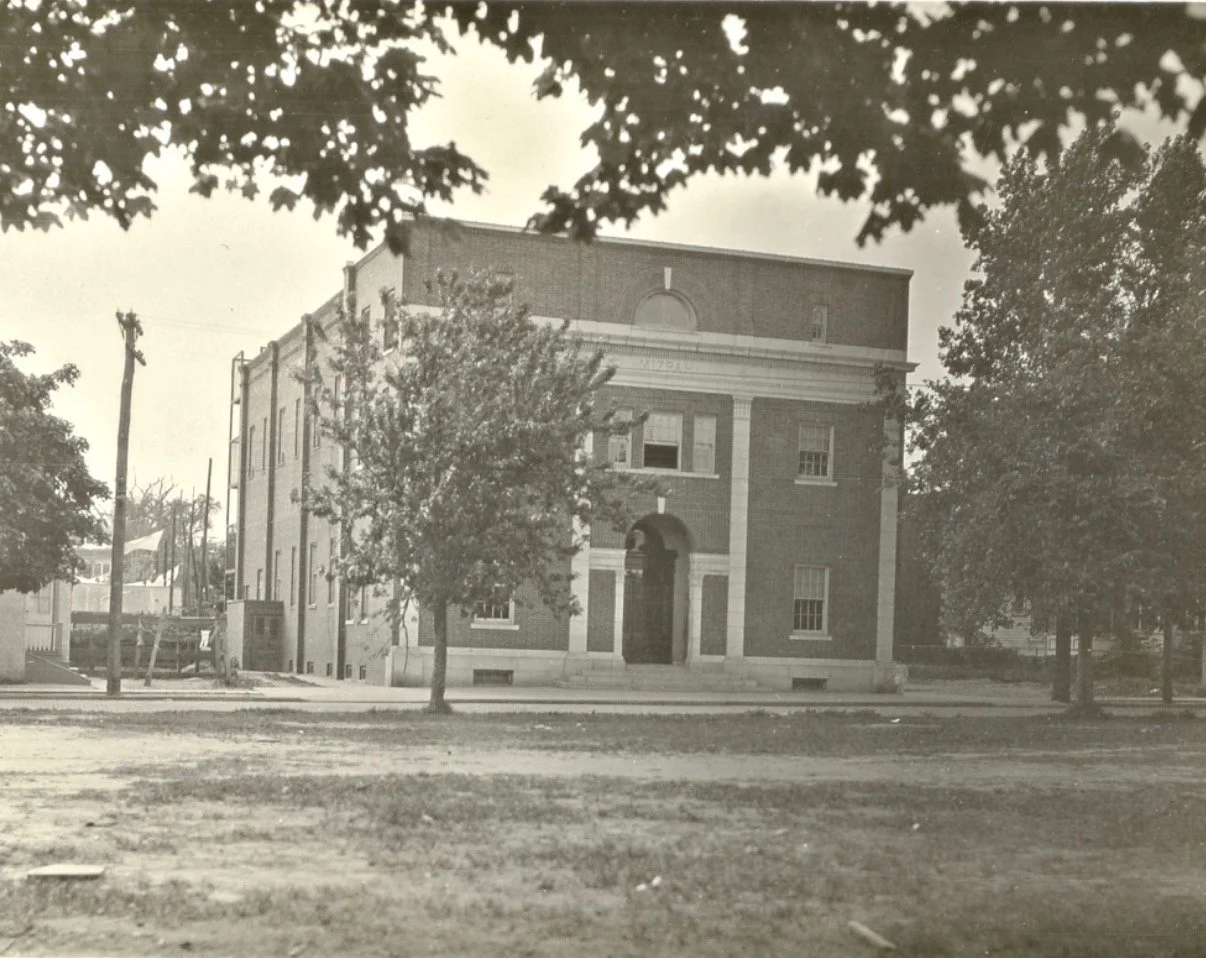
Mizpah Masonic Temple, Circa 1927
Not a crowd, but a structure.
The temple was dedicated in March 1921. It soon became more than the home of a single lodge. It served as a center of Masonic instruction in Queens, a place where officers from across the district came to learn ritual and proficiency. That word matters. Mizpah took pride not only in survival, but in standards. It did not merely house men; it formed them.
A Memory of the Neighborhood
Meanwhile, Elmhurst kept changing. Farms gave way to houses, houses to apartment buildings, roads to larger roads. Transit and immigration made the neighborhood denser, faster, more varied. Today Elmhurst is one of Queens’s great crossroads, a place defined by movement and reinvention.
Mizpah belonged to both worlds. It emerged from village Newtown and endured into urban Elmhurst. That is what makes its history interesting beyond Masonry itself. The lodge shows how neighborhoods acquire character not only through development, but through institutions that teach people how to gather, commemorate, and belong.
What sort of men built such a place? The records give dates, titles, offices, committees. But character appears indirectly. These were men who did not mind beginning small, who furnished rooms from their own pockets, who cared enough about form to preserve ceremonial objects across generations. They believed, plainly, that in a changing neighborhood some things should remain durable.
There is something distinctly Queens in that mixture of practicality and aspiration. Elmhurst was never a neighborhood of grand self-advertisement. It was a place of work, passage, adaptation, and local loyalty. Mizpah reflected that character. It was ambitious, but usefully so: ritual joined to instruction, fellowship joined to administration, idealism housed in brick.
Which is why the name still feels right. A watchtower does not stop change. It stands through it. It helps a community keep sight of itself.
By the time Mizpah marked its centennial in 1973, it had already survived the absorption of Queens into Greater New York, the disappearance of Newtown’s village landscape, and the making of modern Elmhurst. But the important fact is not simply that it endured. Plenty of things endure by accident. Mizpah endured because it remained useful to memory.
Mizpah Lodge sold the Elmhurst Temple in 1981, and long since merged with Island City Lodge no.586 and Advance Lodge no.634 to form Advance Service Mizpah Lodge no.586, where their heritage still lives on, today.
If you want to understand how a neighborhood coheres, look not only at streets and subdivisions, but at the institutions that outlast them. In the long transformation of old Newtown into Elmhurst, Mizpah Lodge No. 738 served, quietly and persistently, as exactly what its founders had named it: a watchtower.