The Builders Of Queens: Three Temples, One Unbroken Chain
From borrowed rooms in postwar Hunters Point to the last surviving Masonic temple in Astoria, three Queens lodges built a civic and fraternal legacy that endures under one roof:
Island City Lodge Masonic Temple
Mizpah Masonic Temple
Advance Masonic Temple
PROLOGUE: THE FERRY HOUSE AND THE FIRST PROMISE (1865)
It was spring, 1865., in a Queens before glass towers and heavy traffic. The war was over, officially, anyway. Lee had surrendered at Appomattox, but the country still smelled like smoke and uncertainty. In Hunters Point, Queens, the streets were more suggestion than road: mud that swallowed boots, scattered houses like afterthoughts, and the old ferry‑house at the foot of Borden Avenue creaking in the wind off the East River.
On a night when the river swelled black as ink and the gas lamps dared the dark to come closer, a small group of Freemasons slipped into that ferry‑house. They weren’t there for comfort, as comfort was in short supply. They were there because a raw town of barely 3,000 souls needed something stronger than luck: it needed order, purpose, and a place to stand.
They signed an Affiliation Agreement, pledging not only membership, but their credit. If there was no rent money, they’d pay it themselves. If there was no lodge room, they’d build one. If the town had no center, they’d make one.
They did not begin with temples. They began with planks laid across boxes. And that pledge is where the story starts running.
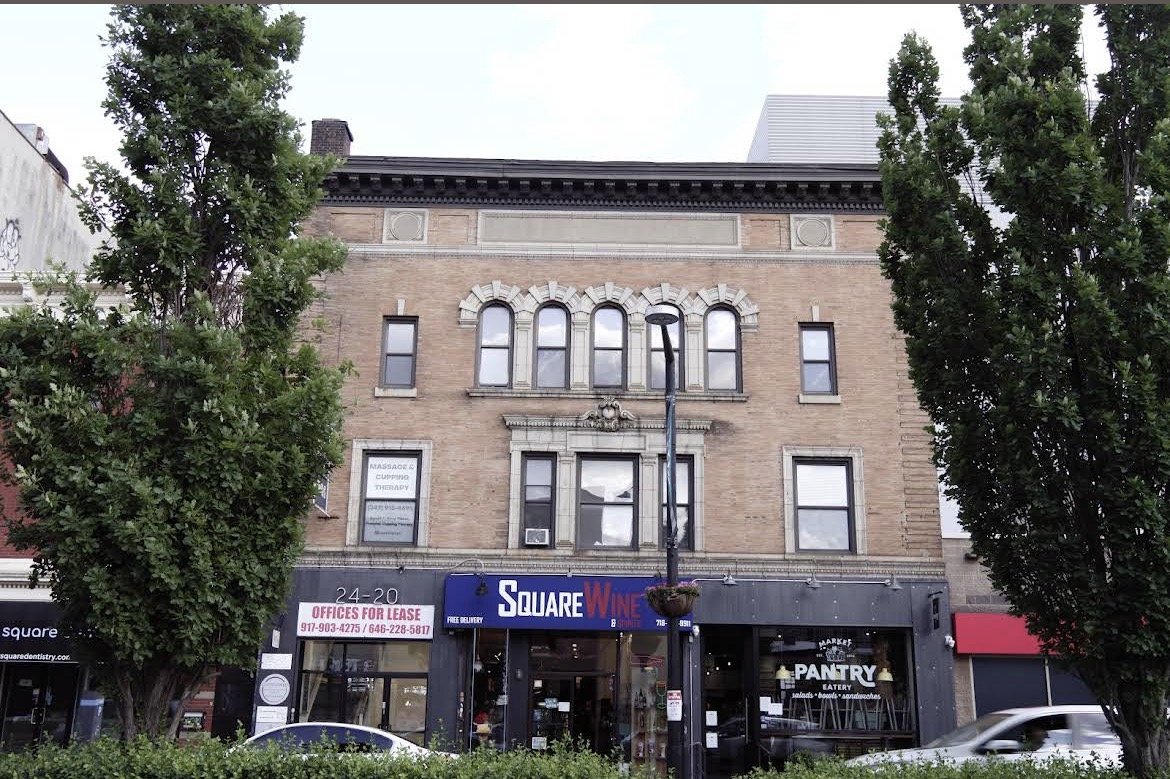
I. ISLAND CITY LODGE NO. 586: THE TEMPLE THAT WOULD NOT STAY BORROWED
In June 1865, they secured a dispensation from the Grand Lodge of New York. On June 18, 1866, Island City Lodge No. 586 received its charter.
For years, the brethren met wherever they could find four walls and a sliver of dignity. Over the ferry‑house. In rented offices. In a carpenter’s shop. Often perched on planks laid across boxes, bare floors, coats damp from the river air. No permanence.
But they didn’t just survive. They expanded.
While other communities were finding their footing, Island City Lodge No. 586 found theirs. They sent aid to war‑torn Mississippi. Relief to an American colony in Jaffa, Syria. Care for local widows and orphans. Before they had walls, they had purpose.
And purpose builds quickly.
By 1873; they were strong enough to give life to a new lodge in nearby Newtown: Mizpah Lodge No. 738. They presented Mizpah with a Holy Bible, Square, and Compasses; an offering that wasn’t ceremonial fluff. It was a hand on the shoulder; a gesture of brotherhood that would echo for a century.
They had begun in borrowed rooms; they would not remain there forever.
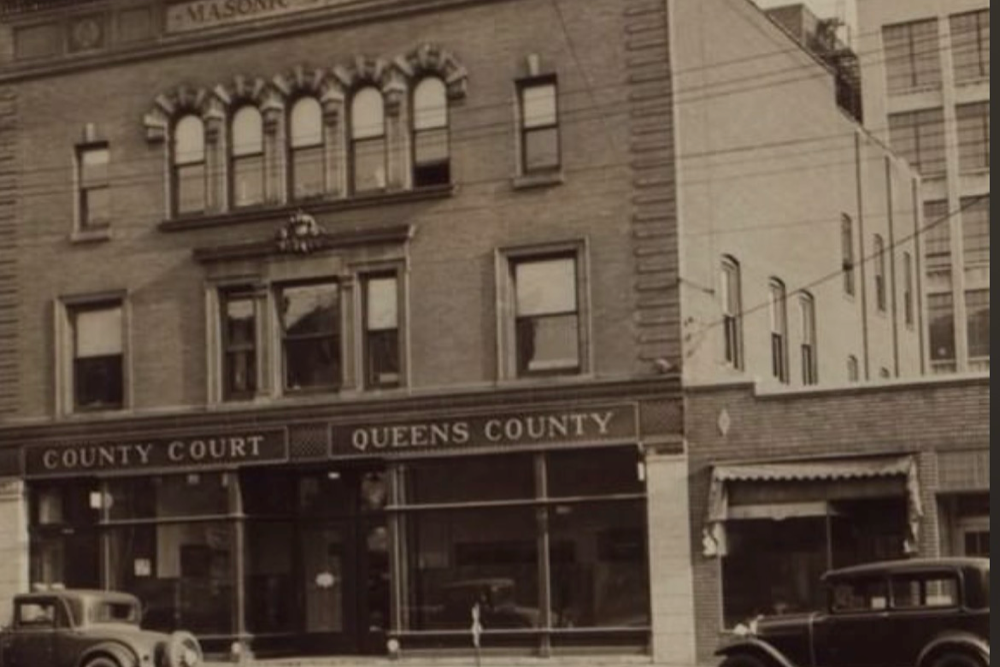
Island City Masonic Temple, circa 1932
THE JACKSON AVENUE TEMPLE: STONE IN THE PUBLIC SQUARE (1906)
By the early 1900s, Long Island City was a very different Queens. Streets were paved. Industry was roaring. Civic life was booming. The brethren of Island City Lodge made a decision that sounds simple until you realize what it takes: they would no longer live by sufferance.
No more borrowed halls.
They secured a site on Jackson Avenue near Anable Avenue, in the old City Hall block; steps from what would become the Queens County Courthouse. If Masonry was to shape Queens, it would start in Queens civic heart.
On September 8, 1906, forty years to the day after the lodge’s institution, the cornerstone was laid. Grand Lodge officers marched from Smithsonian Hall to the new site in procession. Most Worshipful Townsend Scudder, Grand Master of Masons in the State of New York, presided. Hundreds of Masons poured in from across Long Island and New York. One Lodge received special honor that day, Advance Lodge No. 635 of Astoria; it was the only lodge invited to attend as a body.
The Jackson Avenue Temple rose as a three‑story brick building with a granite front: 50 feet wide, 97 feet deep. Storefronts on the first floor. Offices on the second. A grand lodge room above, complete with anterooms, cloakrooms, lockers, and a library. In the basement, because these were practical men, they planned a bowling alley. They had moved from planks and boxes, to bricks and granite.
Completed in 1907 and dedicated by Grand Master Scudder on May 10, the Temple was everything Island City Lodge had always been: industrious, unpretentious, and planted squarely in civic life.
A twist no one could have scripted.
In 1938, the courts needed space; “temporarily,” they said. Temporary became permanent. Island City Lodge eventually sold the building to the government. A Temple consecrated to Masonic work was absorbed into the civic center whose very shape the brethren had helped define. But Masonry does not end when buildings change hands.
With the sale, Island City Lodge moved to the Mizpah Masonic Temple in Elmhurst. To the Lodge it helped create in 1873, under one roof, and, increasingly, one destiny.
On February 12, 1987, Island City Lodge and Mizpah Lodge No. 738 consolidated to form Island City Mizpah Lodge No. 738. It wasn’t a merger of strangers. It was the formal recognition of a century‑old handshake.
Two streams became one river.
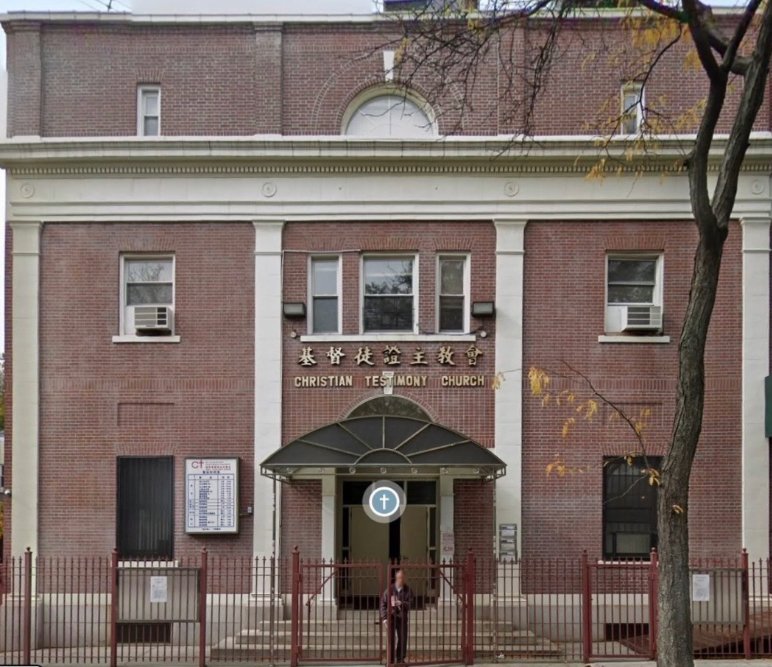
II. MIZPAH LODGE NO. 738: THE ELMHURST TEMPLE AT THE CENTER OF EVERYTHING (1873-1921)
In 1873, Newtown, today’s Elmhurst, was still a farming village: a few thousand residents, one school, several shops, five churches, and no Masonic lodge. If Queens was going to grow into something greater, it needed a lodge right there in the village.
Nine Master Masons petitioned the Grand Lodge. On February 13, 1873, Mizpah received its dispensation under Garret J. Garretson. Several founders came from Island City Lodge. So deep was that support that Mizpah, adopted Island City Lodge by‑laws. The Holy Bible, Square, and Compasses, Island City Lodge presented them, still on Mizpah’s altar.
On June 27, 1873, Deputy Grand Master Elwood E. Thorne constituted Mizpah Lodge No. 738. They met first in Garretson’s law office, then above the Jebbens Building on Broadway. They furnished the rooms themselves, at a total cost of $529.11. Every dollar mattered; they weren’t waiting for someone else to fund their future.
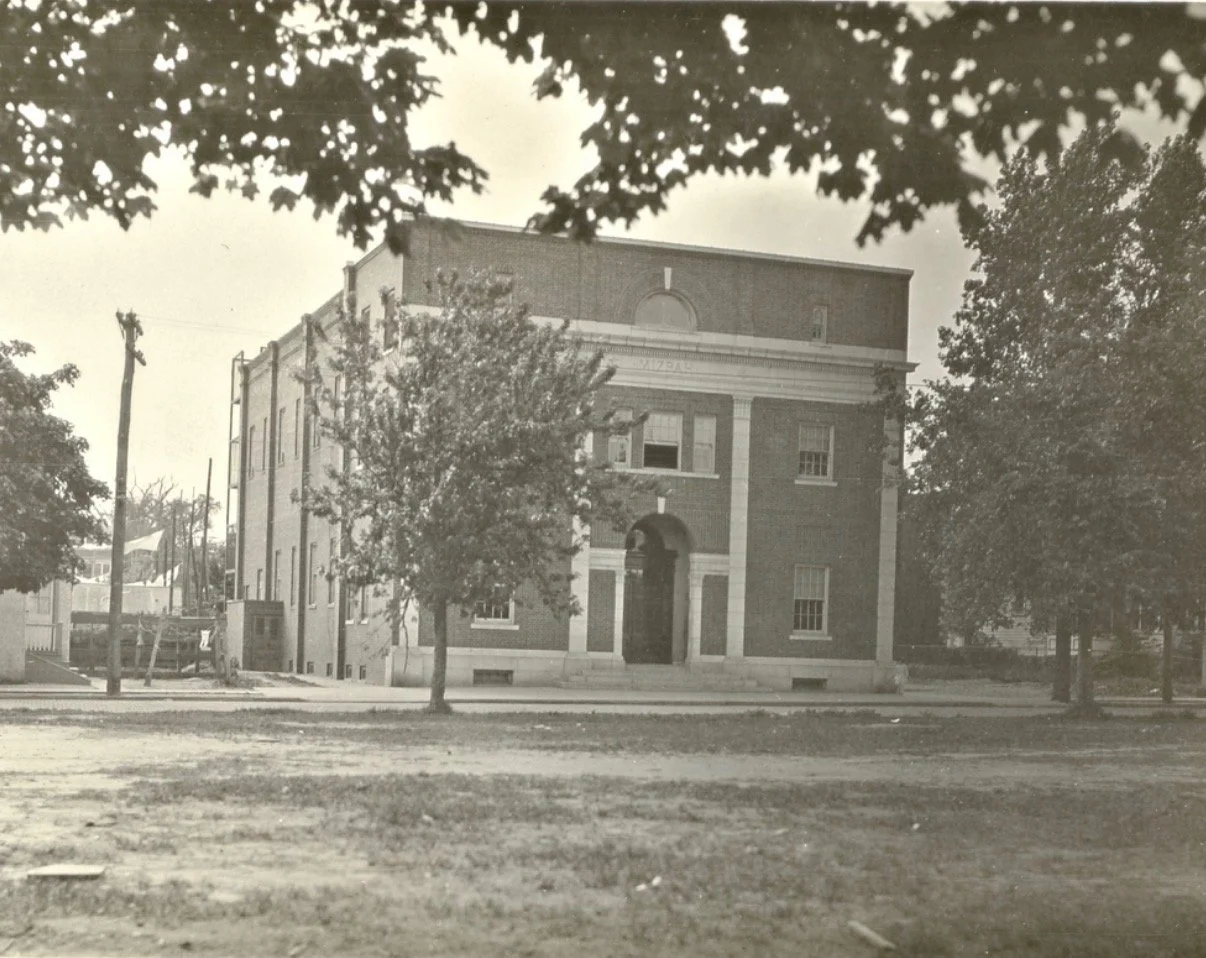
Mzpah Masonc Tempe, Cira 1926
RAISING A GRAND TEMPLE AS QUEENS TRANSFORMED
Then came the great acceleration. Newtown became Elmhurst. Fields became streets. The borough became a suburb of New York City. And Mizpah answered the moment in stone.
In 1916, they purchased a site at 87‑11 Whitney Avenue (then Warner Avenue) for $6,000. Construction began in 1919. On January 1, 1920, R.W. Robert H. Robinson, Deputy Grand Master acting as Grand Master, laid the cornerstone in what the Brooklyn Daily Times called a major event for Queens Masonry.
Lodges from across the borough converged: Mizpah and Geba of Elmhurst, Forest Hills, Cornucopia of Flushing, Anchor of College Point, Richmond Hill, Advance, Island City. Past Grand Master Townsend Scudder spoke. Dr. Joseph N. Wickham, Past Master of Mizpah, District Deputy Grand Master, and a legend in his own right, served as chairman.
The Mizpah Masonic Temple was ambitious: red brick, multi‑story, with a first‑floor auditorium seating more than 500, a large lodge room above, dining facilities on the top floor, and bowling alleys below. On March 17, 1921, Grand Master Robertson dedicated it with the full Grand Lodge suite present.
Mizpah Temple became what it was meant to be: the principal Masonic home of Queens. Other bodies gathered under its roof: Geba Lodge, Forest Hills Lodge, many appendant bodies, and the Queens Masonic School of Instruction, where generations of officers perfected their ritual. Mizpah helped lay cornerstones for public buildings, including Public School 11 in Woodside. It stood as a visible, steady presence while Queens transformed from farms to apartment blocks.
And when Island City joined Mizpah under that Elmhurst roof after 1938, history tightened its circle. In 1987, the union became official; the two Lodges consolidated as Island City Mizpah Lodge No. 738.
On May 10, 1993, the circle tightened again, Island City Mizpah Lodge consolidated with Advance Lodge No. 635. Mizpah sold its Elmhurst Temple, and the brethren moved to 21‑14 30th Avenue in Astoria; bringing with them the memory of Warner Avenue and everything it had meant for nearly 75 years.
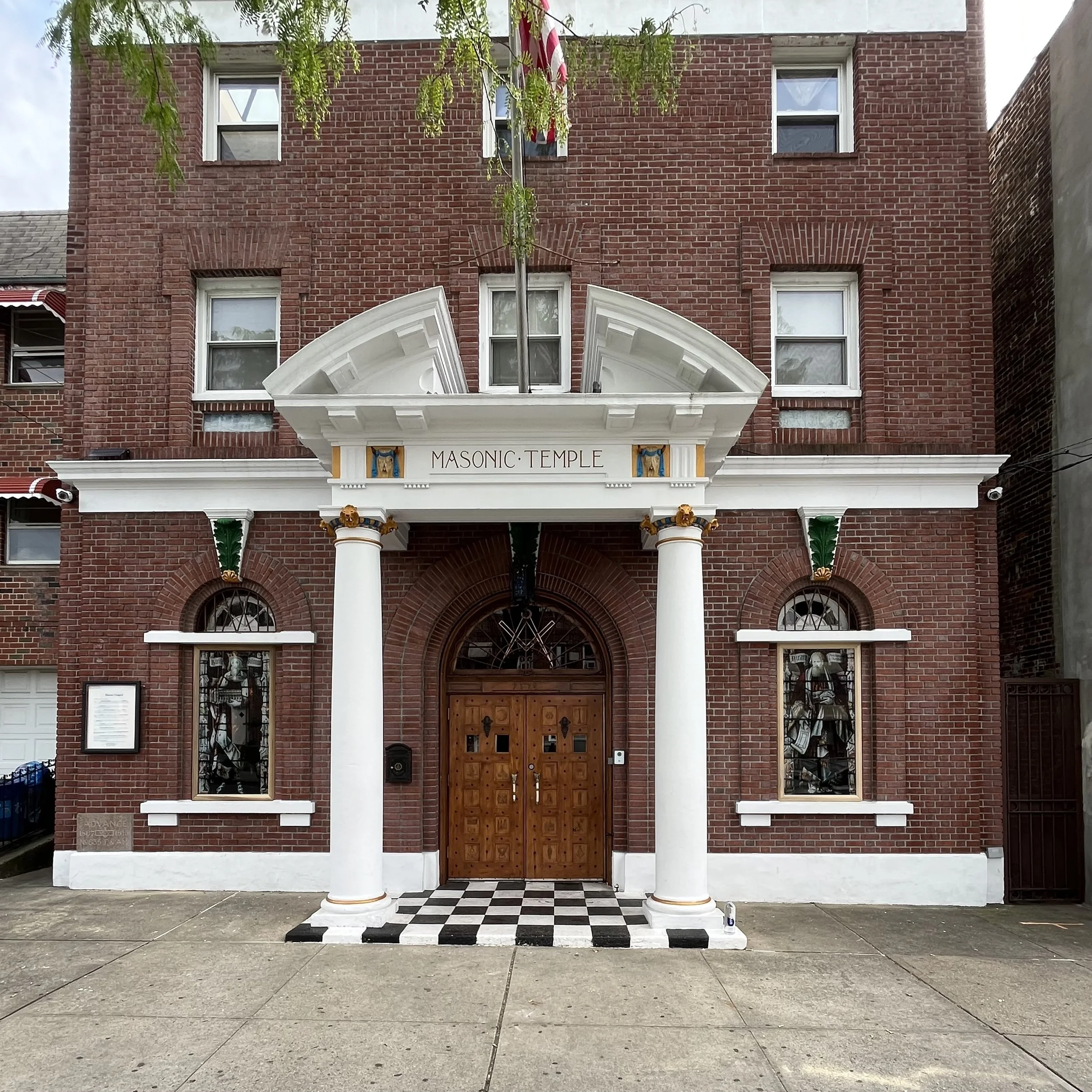
III. ADVANCE LODGE NO. 635: ASTORIA’S FIRST LODGE, AND THE TEMPLE THAT ENDURED (1867-present)
In 1866, twenty‑two Freemasons met in Odd Fellows Hall in Astoria, frustrated by bad roads, uncertain ferries, and the simple indignity of having to travel too far to practice what they believed. They wanted a lodge in their own community; and they were going to build it.
Their petition bore names from several lodges, including Brother James M. Whitcomb of Island City Lodge No. 586, raised there in 1866. Again, the threads were crossing.
They named the lodge “Advance”; a word that fit the era, borrowed from the brig USS Advance, which had sailed from New York in 1851 in search of Sir John Franklin’s lost Arctic expedition and helped open the Northwest Passage. A ship associated with boldness, motion and a promise of courage.
On January 22, 1867, the Grand Lodge granted a dispensation. On February 22, the first communication was held at Main Street, Astoria. The setting was humble, shared furniture, shifting rented rooms, but the lodge endured through financial panics, depressions, and hard decades. And its members didn’t stay inside the lodge room. They became village presidents, aldermen, mayors, legislators, engineers, postmasters, fire chiefs, doctors, attorneys, commissioners, hospital trustees. They buried the destitute, assisted the elderly, and paid for nursing care before local hospitals existed. The lodge didn’t just exist in Astoria. It helped make Astoria.
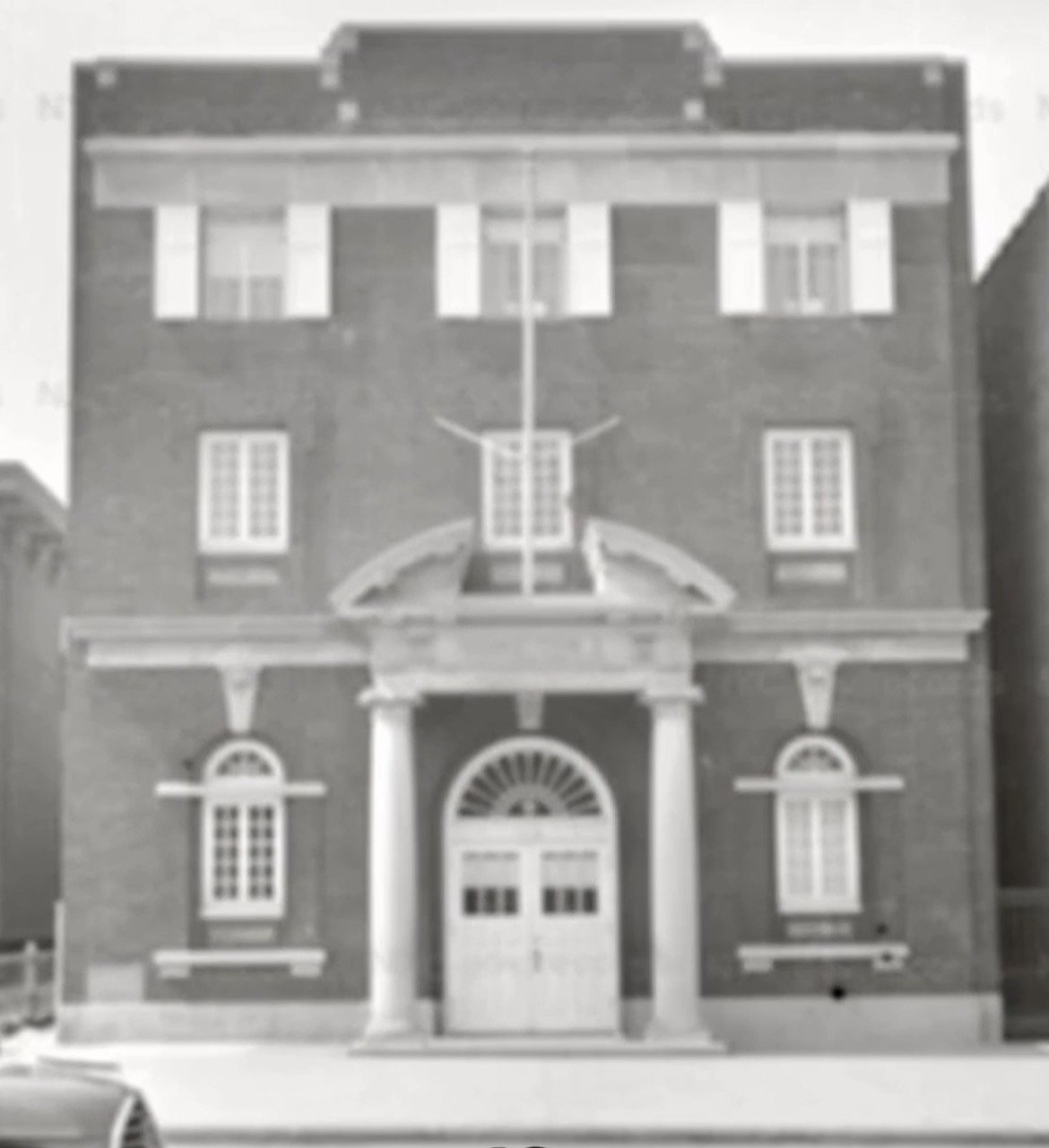
Advance Masonic Temple, Circa 1940
THE TEMPLE ON 30TH AVENUE: ADVANCE MASONIC TEMPLE (1916-PRESENT)
By the early 1900s, Advance had outgrown one borrowed room after another; rooms over saloons, rooms with bad ventilation, rooms that felt temporary in every sense. In 1910, they bought a plot on Grand Avenue (now 30th Avenue) for $4,000. Then came the long grind of committees, bond drives, arguments, and persistence.
On November 20, 1915, hundreds of Masons marched from their old rooms at Main and Fulton to the new site, led by the Mecca Temple band and Sir Knights in full regalia, while “Onward, Christian Soldiers” rolled down the avenue. Most Worshipful George Freifeld, Grand Master of Masons in the State of New York, laid the cornerstone with full ceremony.
By May 1916, the Advance Masonic Temple at 21‑14 30th Avenue was ready. Brick and stone. 36 by 93 feet on a 45‑by‑146‑foot lot. Roughly $24,000 all‑in, paid through bonds, loans, and personal gifts. On November 14, 1916, Past Grand Master Townsend Scudder dedicated it by authority of Grand Master Thomas C. Penny.
Advance prospered: 377 members in 1916, more than 800 by the early 1930s. Through World War I, the Great Depression, and World War II, the Temple remained a constant; where men were raised before shipping out, where communities gathered for relief drives, and where Queens Masonry’s ritual and instruction were sharpened and passed on.
And as other buildings were sold or repurposed, the Temple on 30th Avenue remained in Masonic hands.
Then came the final, decisive chapters.
On May 10, 1993, Island City Mizpah Lodge and Advance Lodge No.635 consolidated. On January 31, 2018, Service City Geba Lodge No. 1009 united with Advance Island City Mizpah Lodge No. 586. The new lodge took a name that preserves every major ancestral line: Advance Service Mizpah Lodge No. 586.
All of its history from Hunters Point, Newtown‑Elmhurst, to Astoria, now lives under one charter, in one room, under one roof. Where they continue to advance.
EPILOGUE: THE STONES STILL SPEAK
The great Temples of Island City Lodge No. 586 and Mizpah Lodge No. 738, as they once stood, no longer host regular communications. Island City’s Jackson Avenue building has passed into the public trust. Mizpah’s Warner Avenue Temple has passed into other hands. But that doesn’t mean the story ended. It means the story moved.
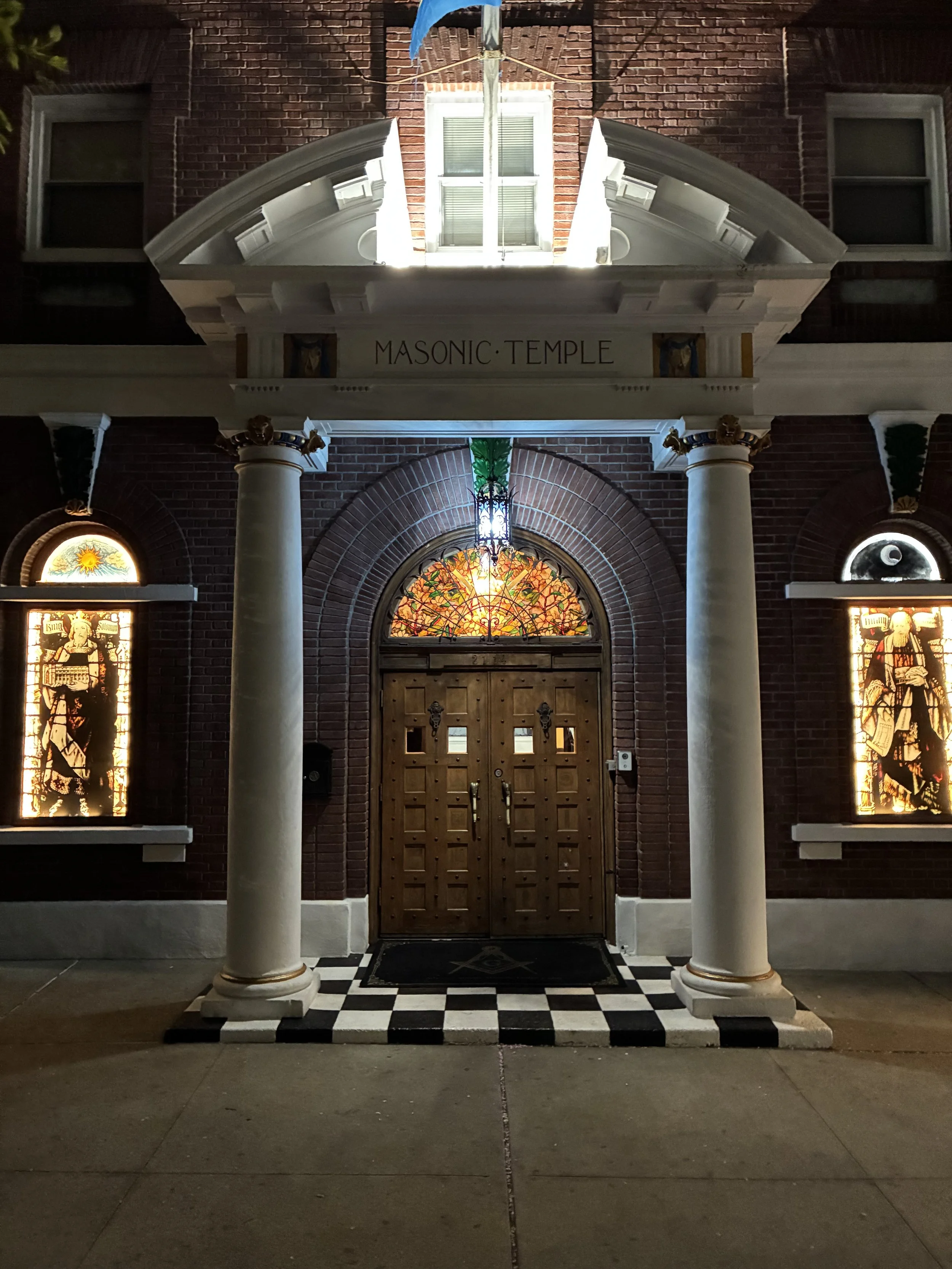
It moved to the Advance Masonic Temple at 21‑14 30th Avenue in Astoria, Queens.
Inside those walls, the old lineages meet as one lodge: Advance Service Mizpah Lodge No. 586. They assemble on the first and third Wednesdays of every month; preserving the ritual, heritage, and charitable spirit of all the lodges and Temples that came before them.
The cornerstones laid at Hunters Point, in Newtown‑Elmhurst, and in Astoria don’t just mark buildings. They mark a chain. The names on old charters are still remembered in their work.
If you want to know more, their history, their present, and how this living legacy continues, come see them: AstoriaMasons.org
In Queens, the Builders never really stopped building.