City Lodge No. 408 The lodge that followed New York

New York in 1856 was a city still in motion—unfinished, ambitious, and expanding. City Lodge No. 408 was born into this landscape.
It began in a small Manhattan room in 1856, on the edge of civil war. It endured funerals, blizzards, public grief, charity drives, and the long migration of the city itself. In the end, City Lodge No. 408 did what New Yorkers do best: it moved, and kept going.
City Lodge No. 408 earned it.
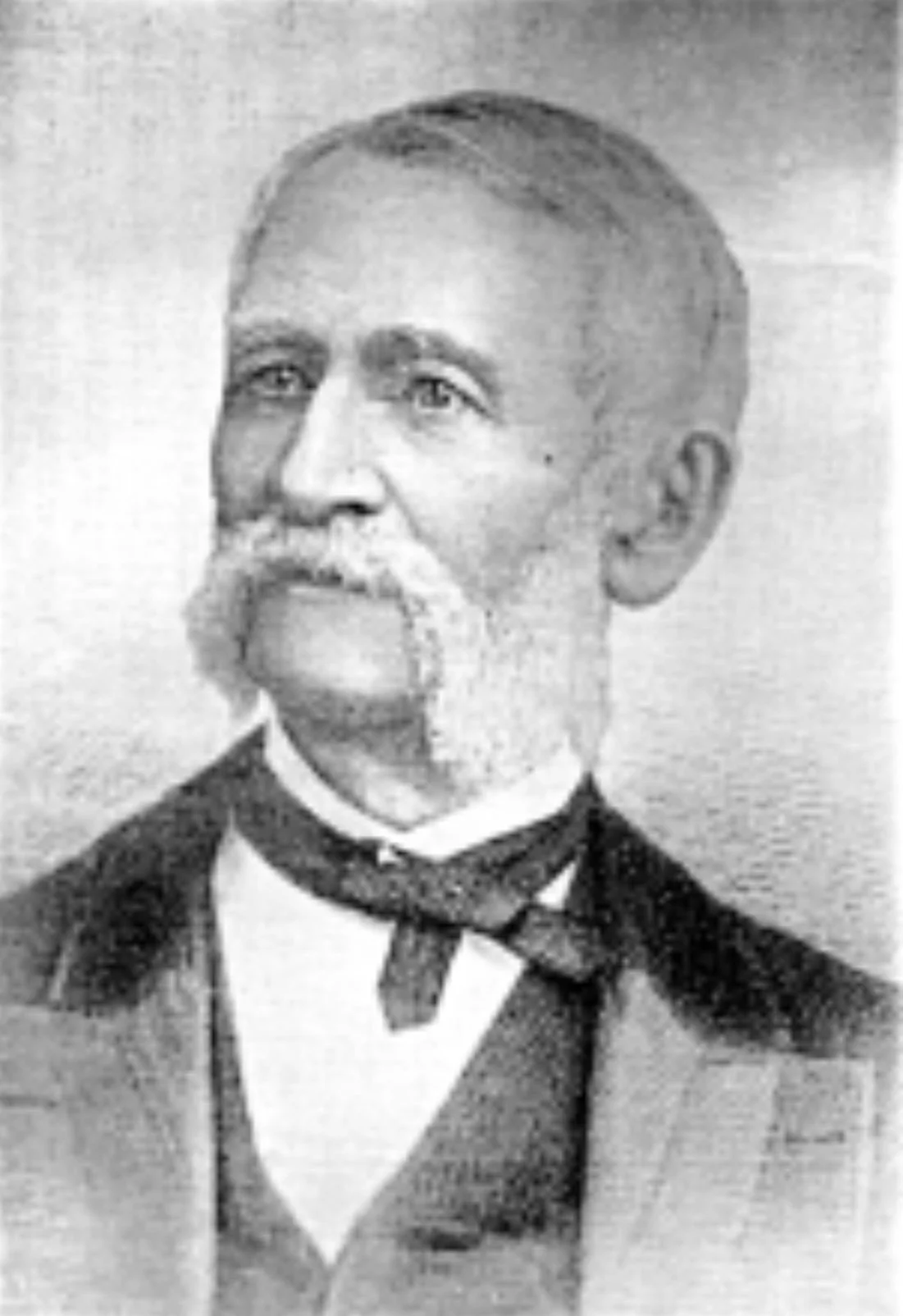
On September 10, 1856, Grand Master John L. Lewis authorized thirty-five brethren to form City Lodge No. 408
Its story begins not in grandeur, but in a city not yet finished, in a nation already straining toward rupture. On September 10, 1856, Grand Master John L. Lewis met with thirty-five brethren and invested them with a charter empowering them to work. Thus began City Lodge No. 408, Free and Accepted Masons.
That sentence is simple enough. The life that followed was not.
This was New York before the skyline became a doctrine, before steel and subway expansion transformed its scale, when hotels doubled as meeting places, when the Atlantic cable was still a thrilling possibility, and before the Pony Express, when news from the far West could arrive half-legible and late. It was a city of arguments and ambitions, a city still organizing itself. City Lodge was born into that unfinished world just as the Union itself was beginning to come apart.
While the new lodge elected Lionel Jacobs its first Master, the republic drifted toward secession. By the time the brethren neared their first hundred communications, South Carolina had voted to leave the Union. These were trying days for the nation, the lodge’s own history later recalled. They were trying days for the lodge too.
And still it endured.
Rooms changed. The character didn’t.
A Lodge Defined by Motion
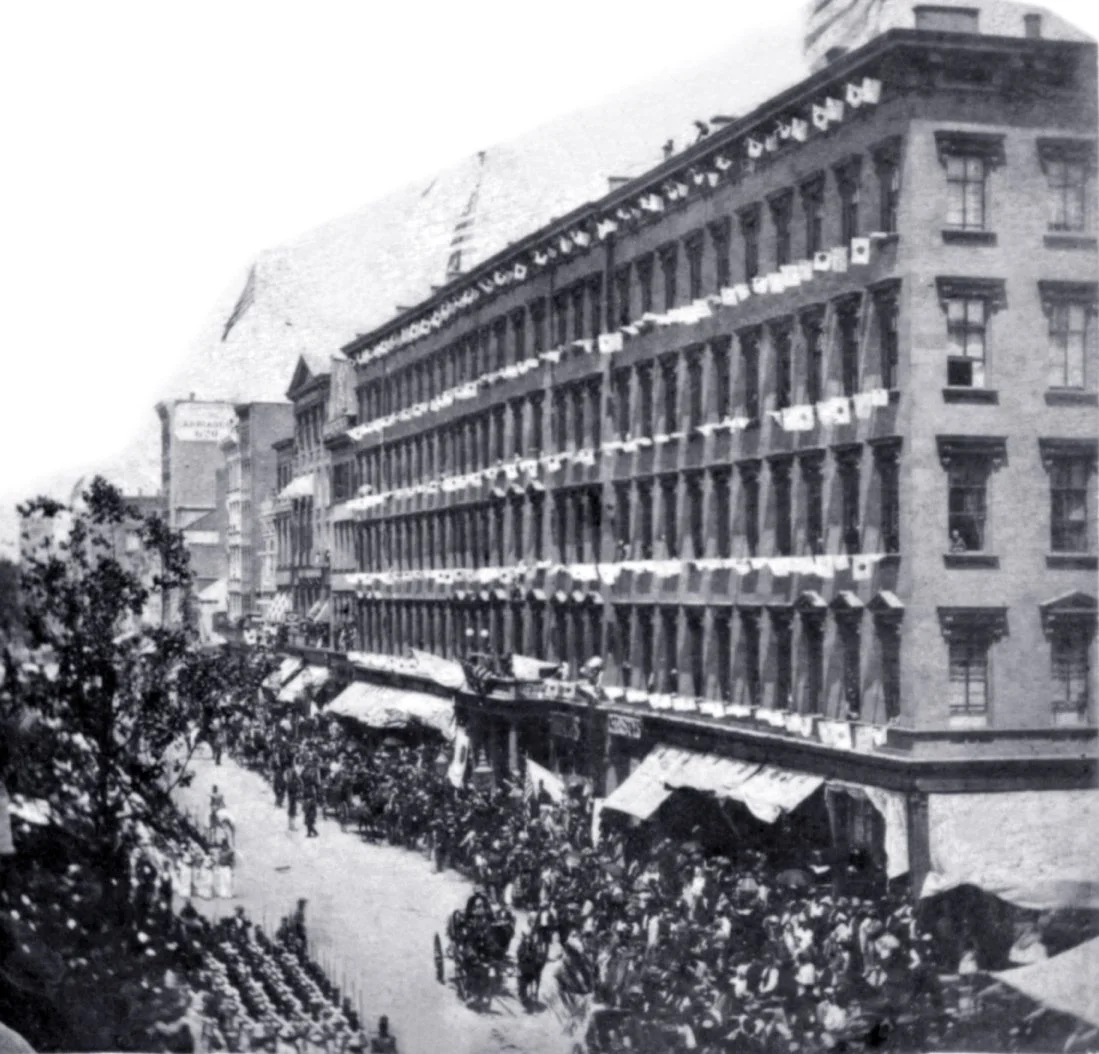
Metropolitan Hotel on Broadway, one of the early meeting places used by City Lodge No. 408
City Lodge moved through a succession of rented rooms across Manhattan, and the record of those locations mirrors the city’s own growth. It met first at Florence Hall, then at the Metropolitan Hotel, and later in rooms on Spring Street and Broadway. Over time, its addresses traced the changing geography of both New York Masonry and New York itself, from downtown halls to Union Square and the Masonic Temple, linking the fraternity to the broader civic life of the city.
That movement could have diluted the lodge’s identity. Instead, it defined it.
City Lodge learned early that a lodge is not its walls. It is a pattern of behavior. A set of obligations. A discipline of showing up.
The Discipline of Showing Up
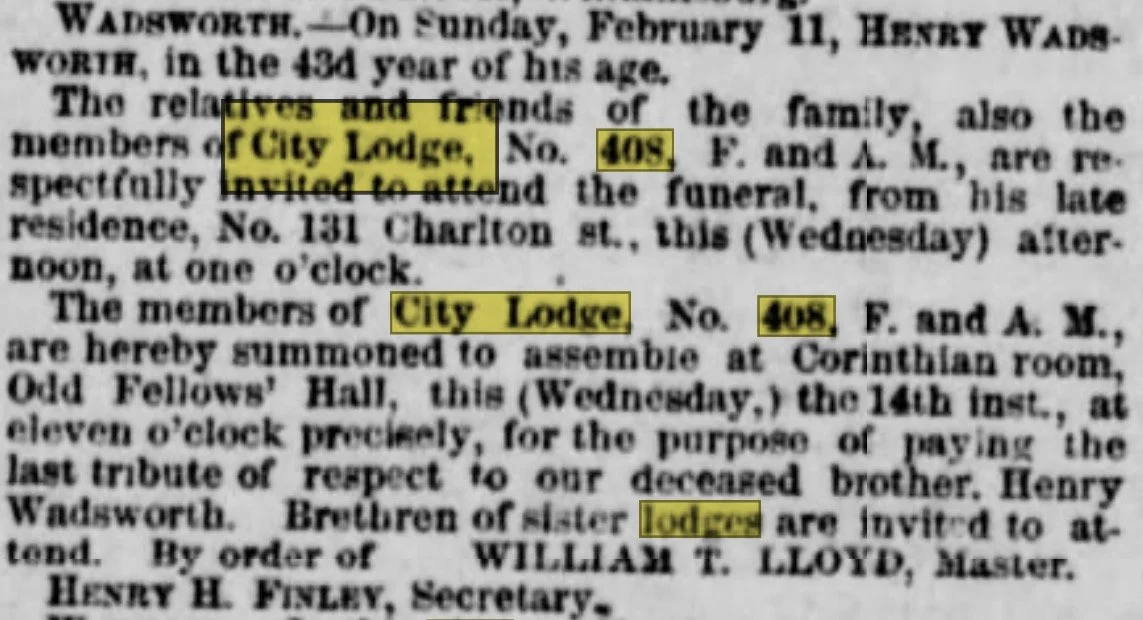
City Lodge appears again and again in the historical record not in celebration, but in duty—assembling to honor the dead.
That last point emerges with striking force from the surviving newspaper record. Again and again, City Lodge appears not in triumphal announcements, but in funeral notices. Members were summoned to assemble at a precise hour to pay the last tribute of respect to a deceased brother. Friends and relatives were invited. The lodge gathered for Henry Wadsworth, John Lindsey, William D. Boyle, Walter J. Oughton, Jacob Vreeland, John Warren, Alfred Williams, and many others. It gathered for family losses too. A daughter. A mother. A wife.
It is tempting to pass quickly over such notices. But taken together, they reveal the lodge’s deepest habit.
City Lodge showed up.
Not only for jubilees. Not only for installation nights and speeches and toasts. It showed up for grief. For duty. For the quiet claims of brotherhood when no applause was expected. If you want to know the character of a lodge, that is where to look.
One memorial, for Brother Charles E. Jacobs, who died in Santiago de Cuba in 1868, praised him as “true and trusty,” a man who would sooner lose his life than his integrity. That may as well stand as an epitaph for the ideal City Lodge cherished in its own members. Not brilliance first. Not prominence first. Fidelity.
Charity on a Public Stage
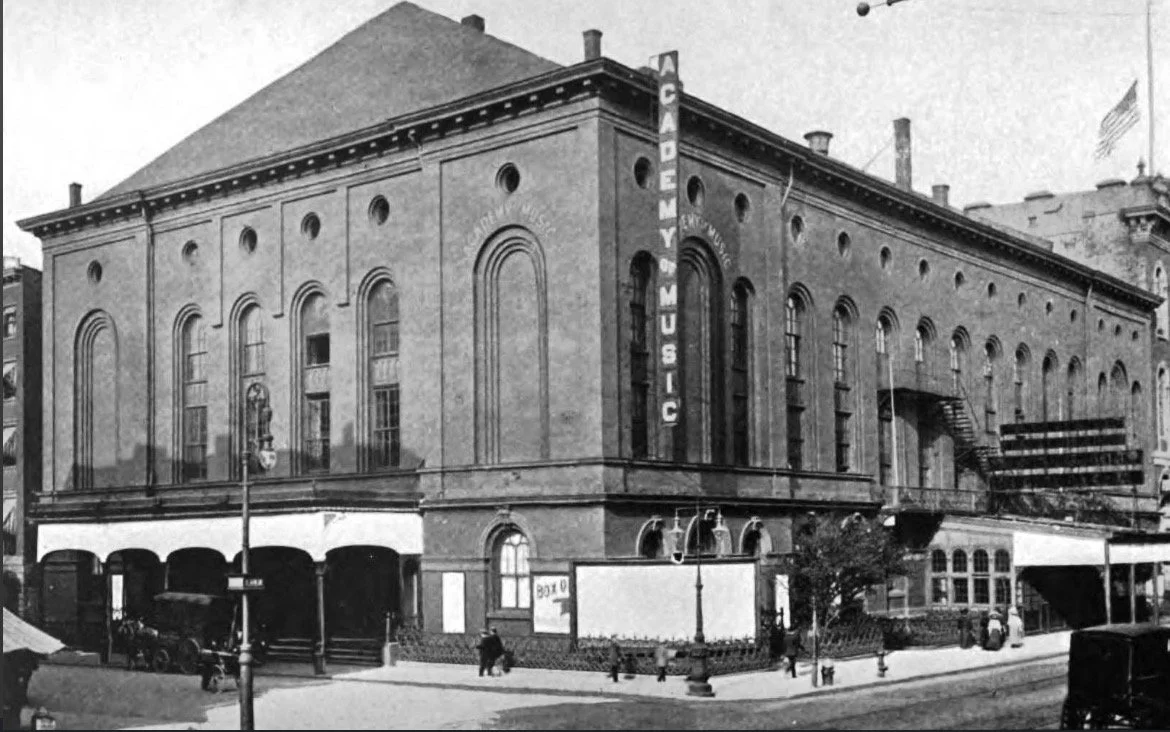
In 1870, City Lodge hosted a grand Masonic ball here to raise funds for distressed Masons in Cuba.
A lodge that knew how to act in public
Yet City Lodge was never merely solemn. It had urban confidence.
In 1870, it launched one of the most ambitious public efforts in its early history: a grand Masonic ball at the Academy of Music to raise money for distressed Master Masons in Cuba. It was classic New York; big-hearted, public-facing, and staged with flair.
The event was reported in detail. Tickets were sold through a broad committee. A richly embroidered Chinese silk spread, valued at a thousand dollars in gold, was offered as a prize. The purpose was serious: to provide aid to worthy Masons in Cuba suffering through upheaval and privation, some with ties to the lodge itself.
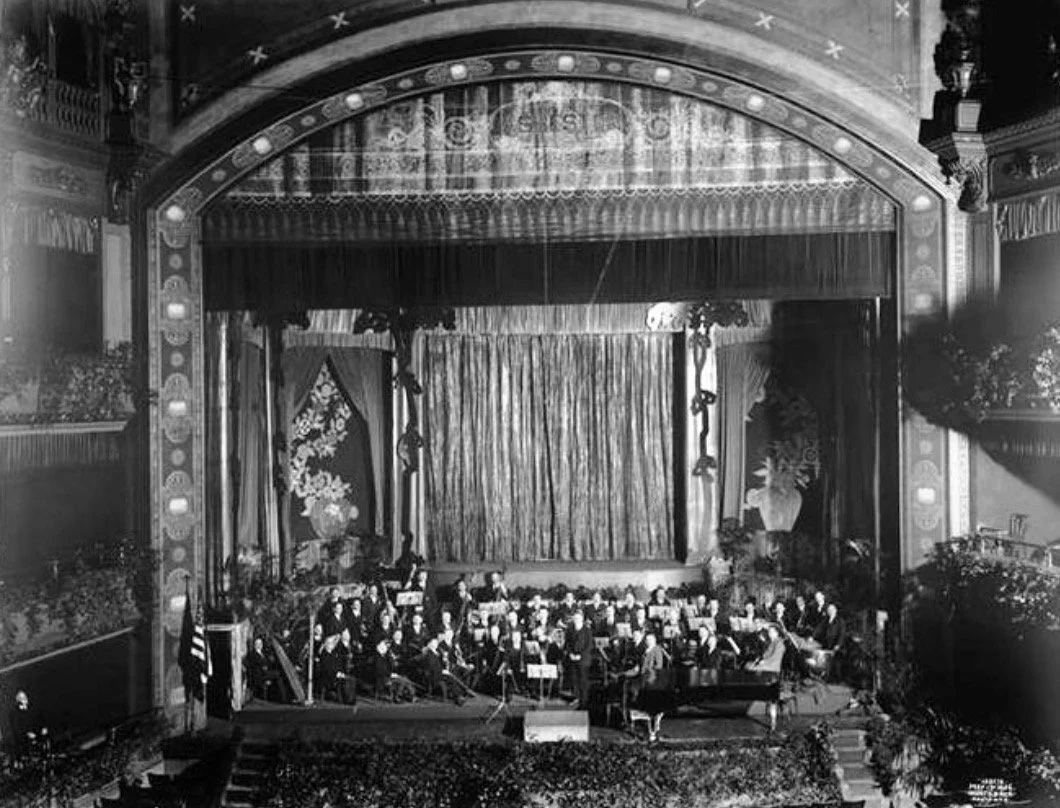
Interiorof t Academy o Musc
When the night came, the weather was poor, but the scene was radiant. Gas jets onstage spelled out “City Lodge No. 408, F. and A. M.” The Academy glowed. Distinguished guests attended. Cuban visitors were present. The brethren appeared without regalia, moving through the evening not as performers in costume but as citizens, hosts, and brothers.
This is a noteworthy detail. City Lodge understood how to bring Masonry into public view without turning it into spectacle. It could be elegant without becoming vain. It could use society in the service of charity. New York gave it a stage; the lodge used it to help the distressed.
When Public Mourning Became Private Duty
When the city mourned, the lodge knew how
The lodge’s story is threaded through the wider history of the city and nation. Its own later recollections invoke the completion of the transcontinental railroad, the unveiling of the Statue of Liberty, the great Blizzard of 1888, the Johnstown Flood, the First World War, and the Great Depression. These were not abstractions. They formed the weather of the lodge’s life.
Sometimes that connection became explicit.
In 1881, City Lodge had reason to celebrate its twenty-fifth anniversary. Instead, after the assassination of President James A. Garfield, it postponed the festivities and held a lodge of sorrow. The Ionic Room of the Masonic Temple was draped in mourning. A. J. Dittenhoefer, then Master, led the ceremonies and delivered the eulogy.
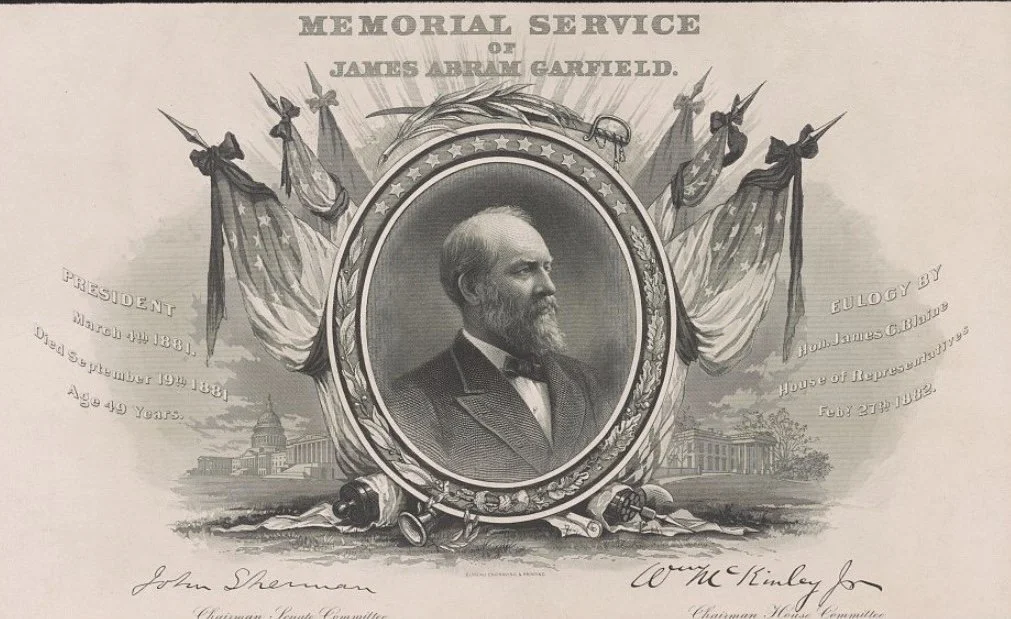
In 1881, City Lodge set aside its anniversary celebration and instead held a lodge of sorrow after President Garfield’s death.
That choice reveals something essential. City Lodge was proud, but it was not self-absorbed. It understood proportion. In a city devoted to display, it knew when not to celebrate.
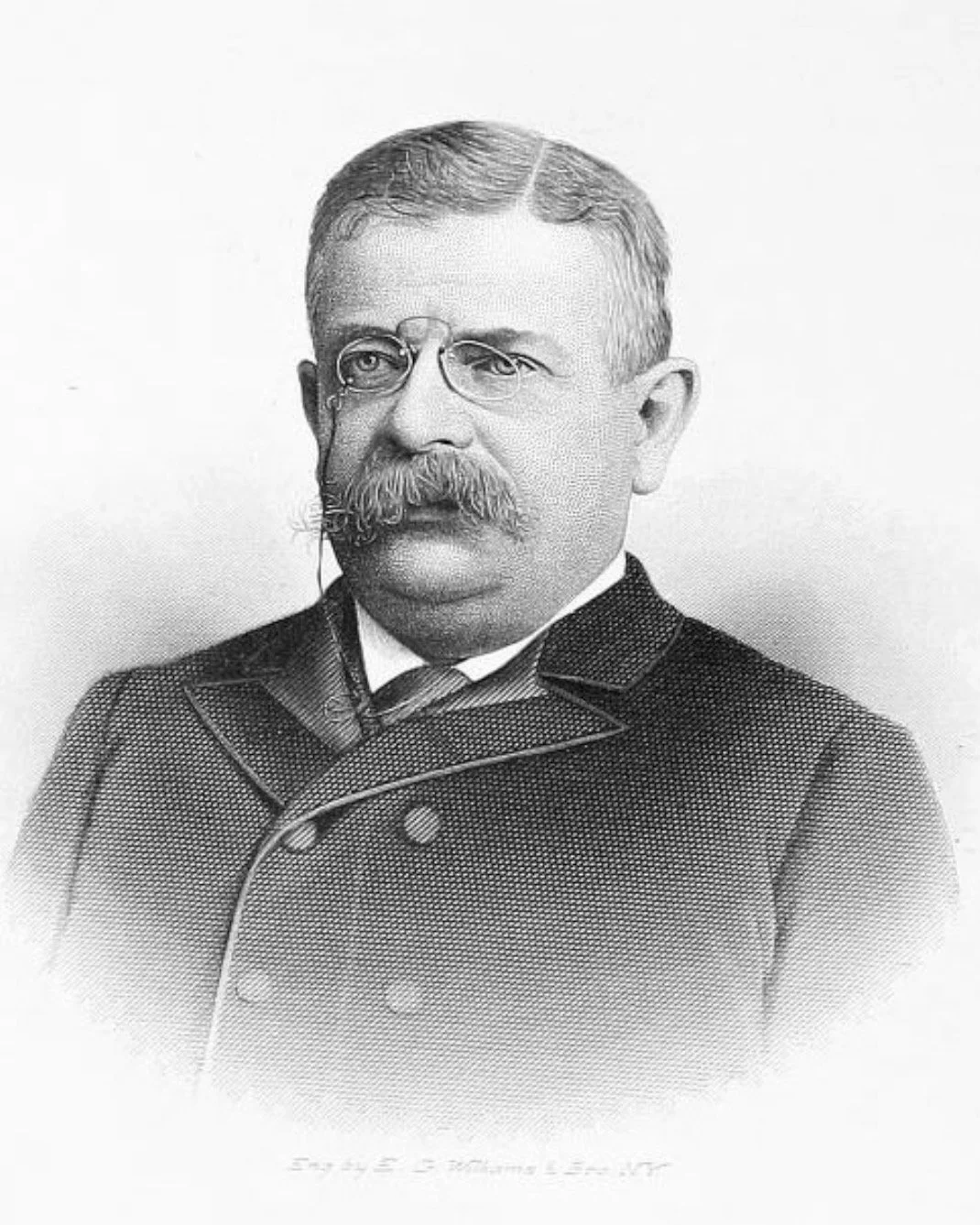
A. J. Dittenhoefer exemplified the kind of enduring leadership City Lodge prized
Dittenhoefer would become one of the lodge’s great figures. Honored later with a jewel and apron for his services and his rise in Grand Lodge, and still later recognized as the only surviving charter member, he embodied a quality City Lodge repeatedly prized: enduring usefulness. The lodge admired ritual, eloquence, and public distinction, but it revered the men who built things that lasted.
The records of City Lodge praised Henry Muller, Hartenstein, Cleary, and Dittenhoefer for placing the lodge on a firm financial foundation. There, too, is a clue to its temperament. City Lodge valued romance, but it trusted stewardship.
A Brotherhood for a Plural City
Tolerance was not a slogan.
In its maturity, City Lodge became the kind of New York body that could only have existed in New York: diverse, adaptable, socially fluent, and bound together by a moral idea stronger than neighborhood or background.
The names that pass through its record tell part of the story: Jacobs, Cohen, Dittenhoefer, Hartenstein, Mack, Wiley, Scheibel, Solomon, Rannefeld. Jewish names, German names, Irish names, old-stock names, immigrant names. Merchants, ritualists, civic leaders, clubmen, public officials. City Lodge was a brotherhood shaped by the currents of a plural city.
And it knew it.
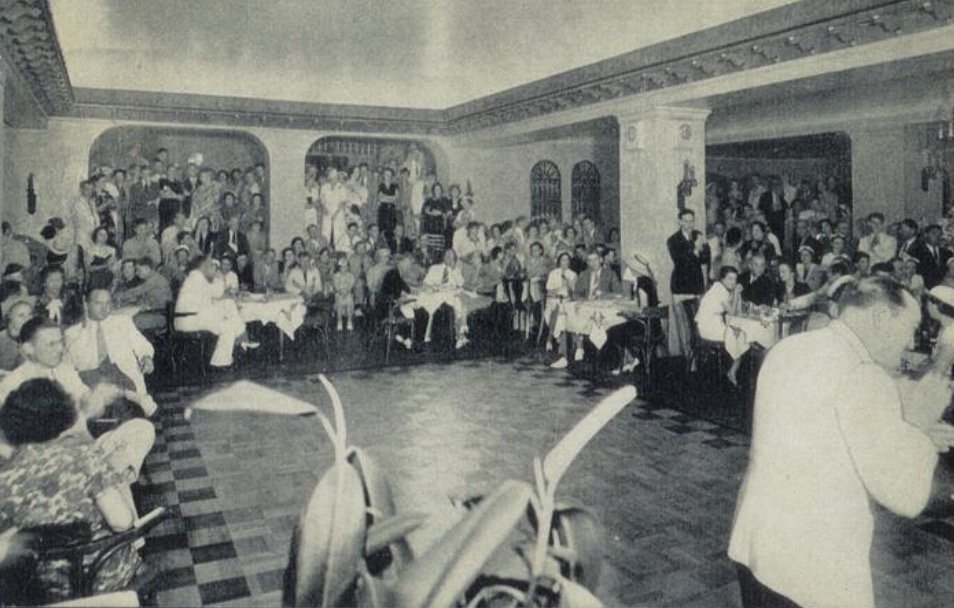
At a 1936 dinner honoring Grand Master Jacob C. Klinck, City Lodge
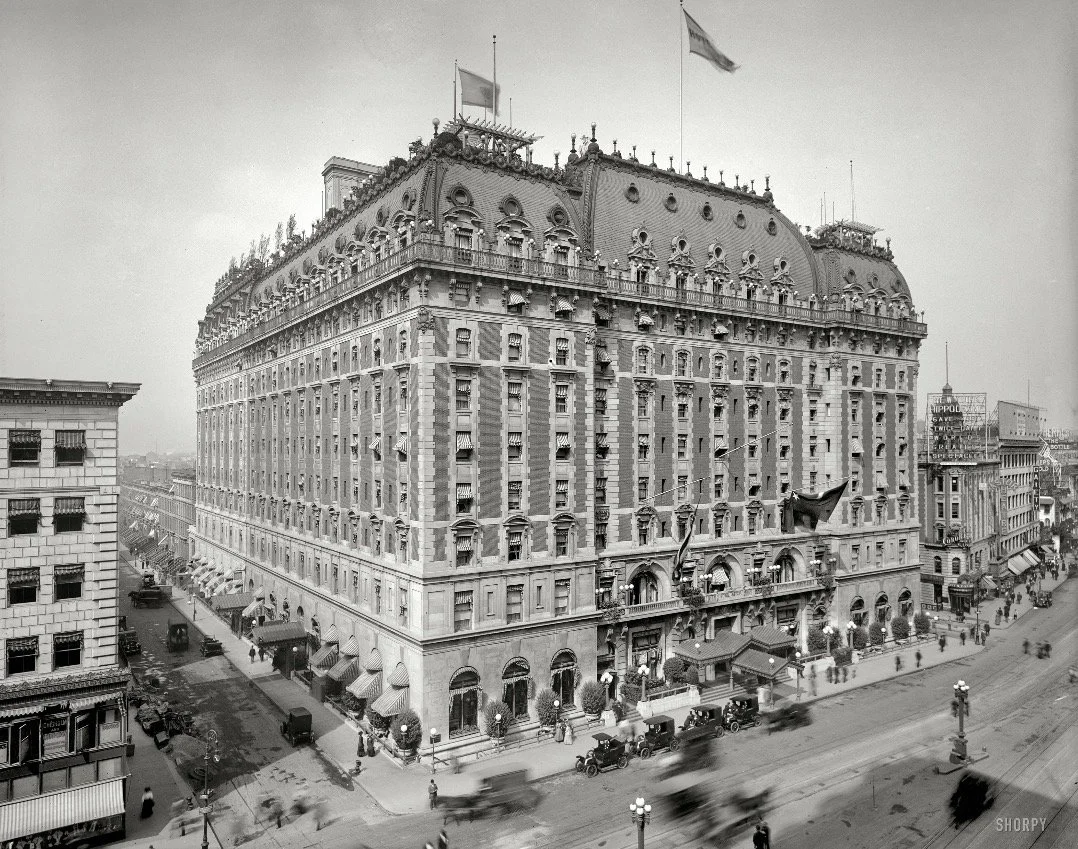
Astor Hotel, Manattan
Its records identified intolerance as the arch-enemy of Masonry. The lodge celebrated Davy Mullen as a man who left behind a legacy of tolerance and charity, and upon his death honored that legacy by reverently dedicating the City Lodge Relief Fund in his memory. When City Lodge No. 408 honored Grand Master and honorary member Jacob C. Klinck at a dinner at the Hotel Astor on May 18, 1936, it affirmed that same spirit once again. The lodge praised Klinck not only as a Masonic leader, but as a “master of humanism,” a phrase that reflected its esteem for broad-minded service, humane concern, and active engagement with the wider world. Together, these tributes suggest a lodge that valued tolerance, public usefulness, and a spirit of fraternity extending well beyond its own walls.
It remembered Otto Cohen as one of the greatest ritualists it ever had. It honored men for fifty years of service and for unbroken attendance. It welcomed degree teams, district leaders, and Grand Masters. It held smokers, lectures, banquets, and official visits. It appears to have balanced gravity with warmth, ceremony with sociability.
That balance may help explain its longevity. A lodge does not survive for more than a century in New York by becoming brittle. It survives by knowing how to include, how to honor, and how to adapt.
Endurance in Hard Times
Through depression, through war, through change
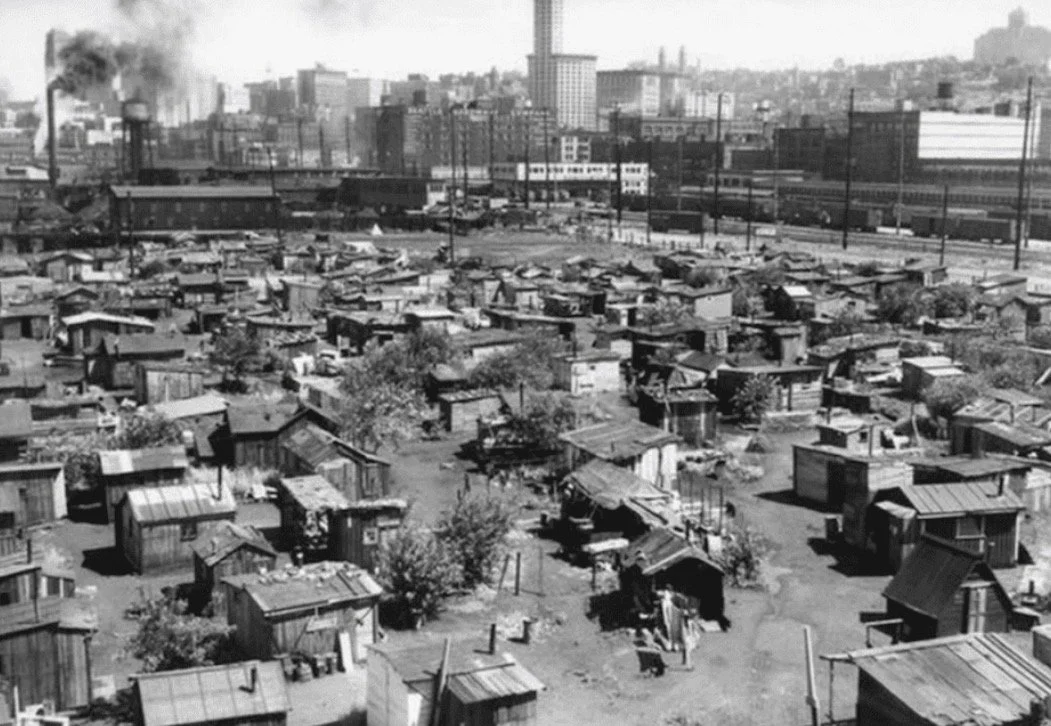
The Great Depression strained every institution—but City Lodge’s internal bonds strengthened under pressure.
The Great Depression tested every fraternal body in America, and City Lodge was no exception. Its own history remembered lean trestle boards, harder individual circumstances, and increasing pressure on the brethren. Yet the author insisted that the harder the times became, the greater became City Lodge’s determination to move forward.
That is easy language to admire and easy language to doubt; until one considers the record behind it. This was a lodge long accustomed to carrying burdens. It had buried its dead for generations. It had organized relief. It had built leadership from within. It had learned not to mistake prosperity for permanence.
So when times hardened, fraternity deepened.
The Final Crossing
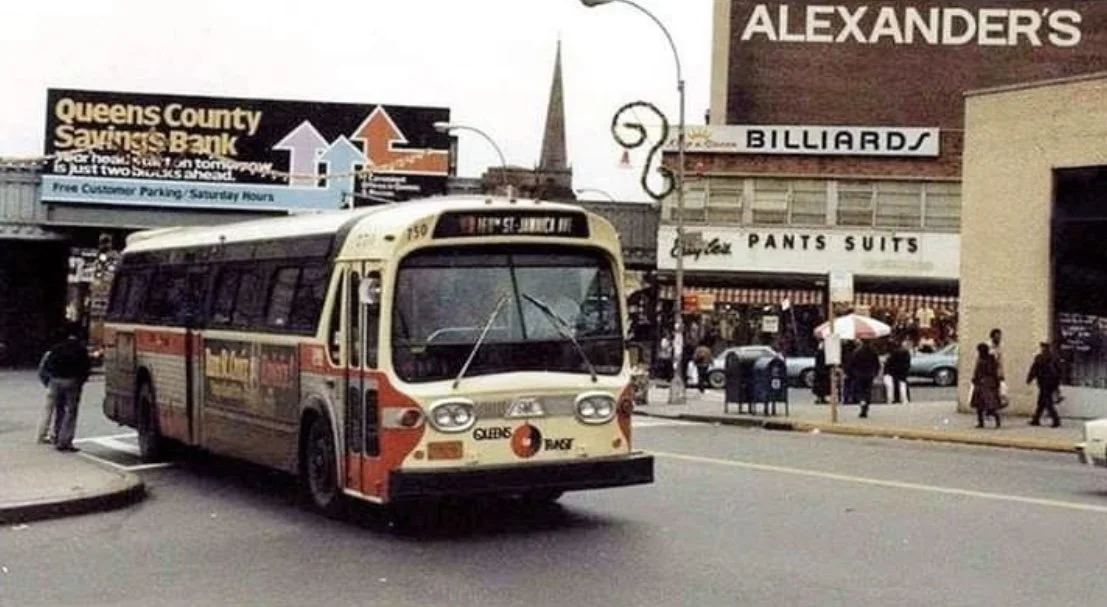
The final crossing
And then, as always in New York, the city moved.
The Lower Manhattan world in which City Lodge had been born was no longer the center of members’ domestic lives. Families had gone north, then outward. The map widened. The old downtown lodge was no longer wholly downtown.
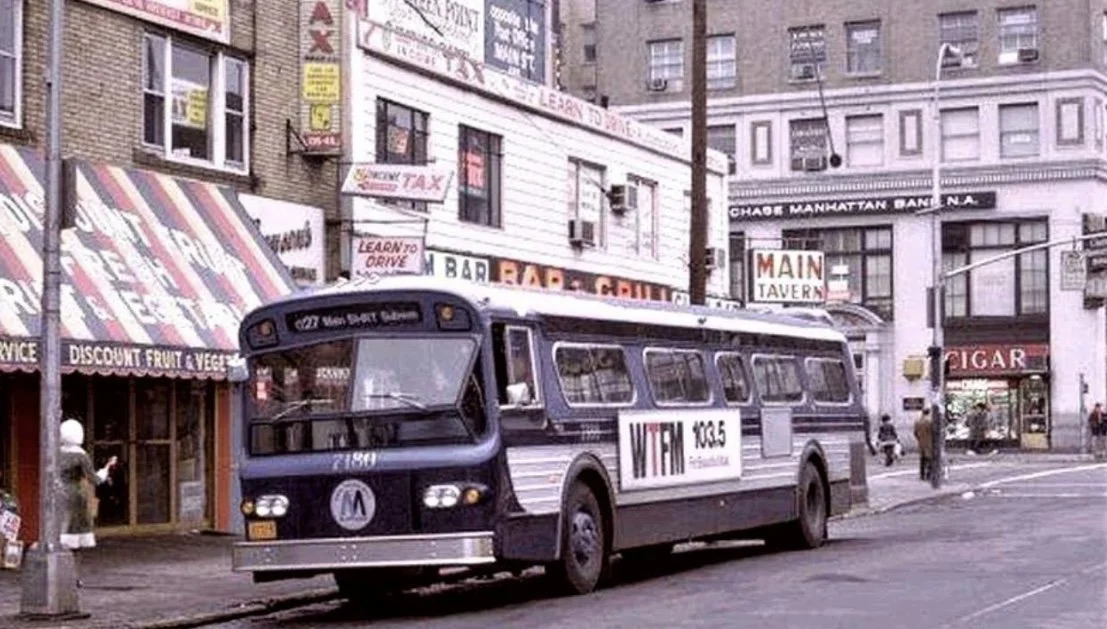
In 1973 came the decisive transformation. City Lodge No. 408 consolidated with Service Lodge No. 1009 of Flushing, Queens, forming Service City Lodge No. 1009. It was the first consolidation to bridge Manhattan and Queens. The new lodge continued meeting in Flushing, the old City Lodge brethren having followed the trajectory of New York’s population eastward.
There is something almost poetic in that ending. A Civil War–era brotherhood, formed in Lower Manhattan, crossed the river and kept going.
Not because it had abandoned its past. Because it had remained true to it.
Carrying Character Through Change
In the end, the story of City Lodge No. 408 is not just the story of a lodge. It is the story of how institutions survive in New York: not by standing still, but by carrying their character through change.
City Lodge buried the dead, relieved the distressed, honored the faithful, welcomed difference, and moved when the city moved. From Florence Hall to Flushing, from gaslight Manhattan to modern Queens, it remained what it had always tried to be: a brotherhood sturdy enough to travel.
Related Articles
City Lodge Charter and Notable Members — The men behind the legacy
Advance Service Mizpah Lodge No. 586 — The story continues here