William J. Gottlieb: New York Mason and Champion of the American Motorist
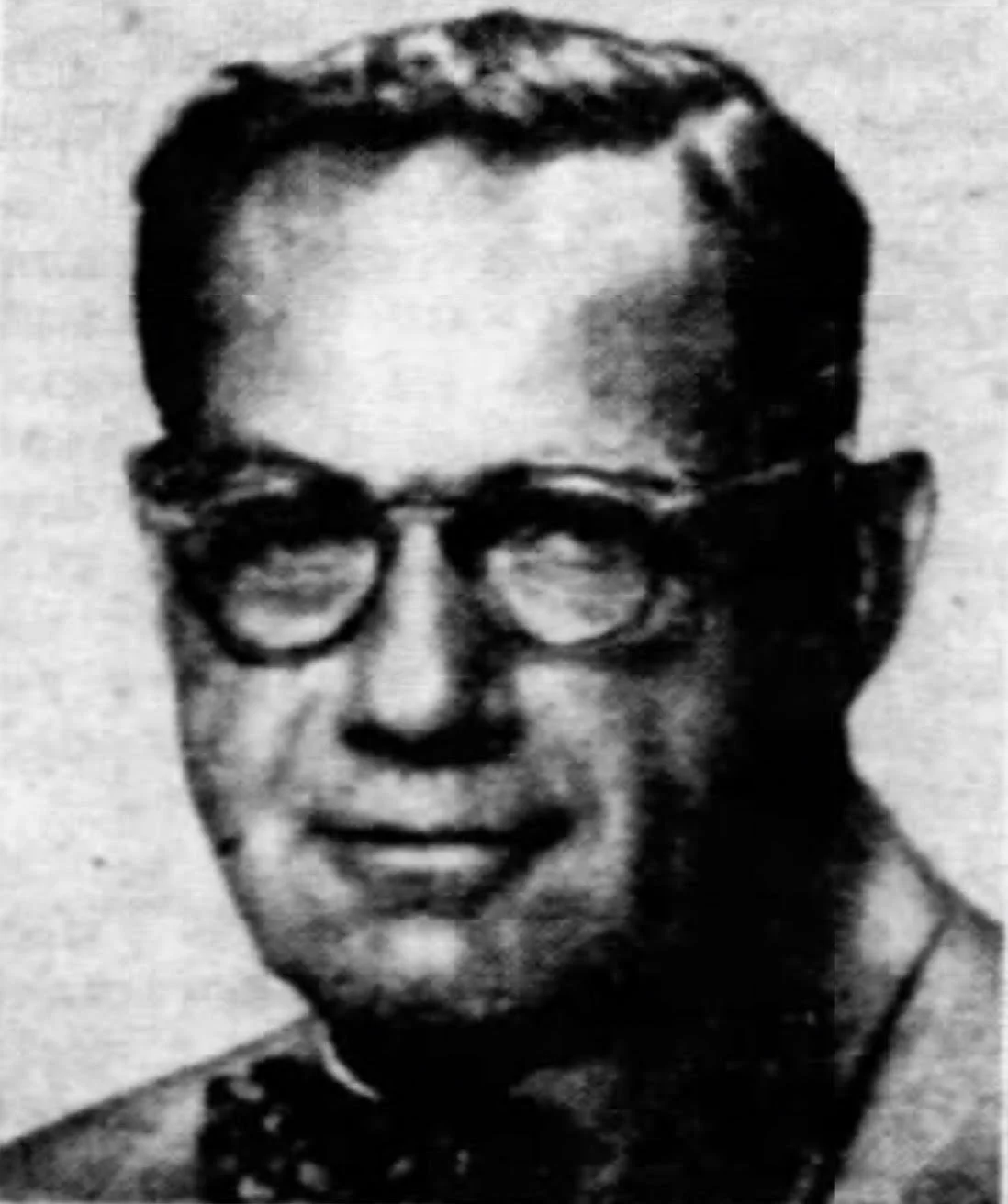
William J. Gottlieb emerged as a leading voice for the everyday driver navigating a rapidly changing city.
Taxi operator, civic leader, and longtime champion of motorists, William J. Gottlieb helped define how New York, and much of America, argued about roads, tolls, traffic, and fairness behind the wheel.
Before the interstate became a fact of life, before EZ-Pass and congestion pricing, before the daily commute hardened into a ritual of brake lights and buried rage, there was William J. Gottlieb, a man who understood that the road was never just pavement. It was policy. It was power. It was class, access, speed, safety, and money.
To millions of motorists in the first half of the 20th century, Gottlieb became a blunt, relentless public voice for the idea that roads should serve people, not merely profit from them. He did not see the American driver as a source of revenue. He saw a citizen trying to get somewhere.
The Man Behind the Wheel
Born in Manhattan in 1897, Gottlieb came of age as the automobile transformed from novelty into necessity. New York was changing fast. Hoofbeats gave way to horns. Streets once built for wagons began straining under the pressure of machines.
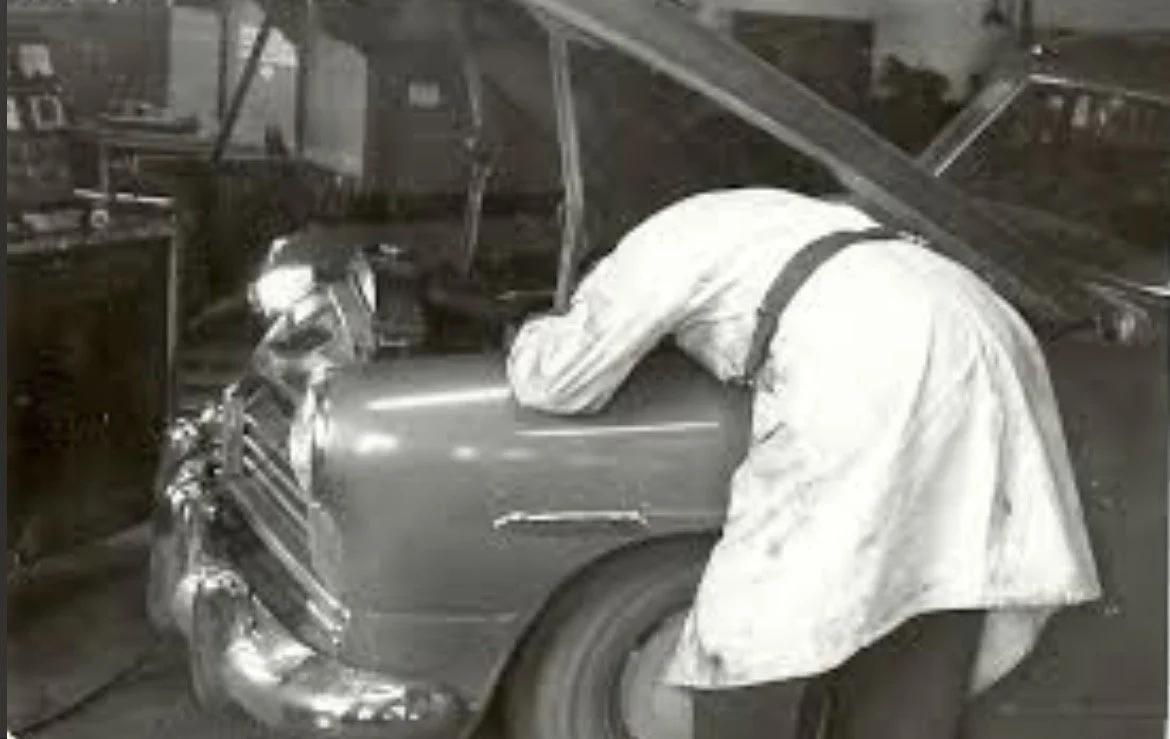
Gottlieb’s years in the taxi business shaped his understanding of how policy decisions affect working drivers mile by mile.
During World War I, he served as an electrician in the Navy. After the war, he entered the taxi business, operating a small fleet of cabs in the city. It was practical education in the economics of movement. He learned what every working driver knows: every mile counts, every delay costs, and every policy decision eventually lands in someone’s pocket.
In 1925, he joined the Automobile Club of New York when it was still closer to a gentleman’s association than a muscular advocacy group. Membership was modest. Its culture leaned social. Its political force was limited. Gottlieb helped change that.
By 1938, he had risen to the presidency and turned the club into a powerful affiliate of the American Automobile Association. In the process, he fashioned himself into a spokesman for what he liked to call “Mr. Average Motorist,” a phrase that made his politics plain. He was not talking about elites with chauffeurs. He was talking about ordinary people paying to move through a modern city.
A Master in the Lodge, A Reformer in the Streets
When Gottlieb served as Worshipful Master of City Lodge No. 408 in 1936, New York was already buckling under its own momentum. Bridges, tunnels, trucks, taxis, private cars, delivery wagons, pedestrians. Everything converged in a city that had grown faster than its traffic logic.
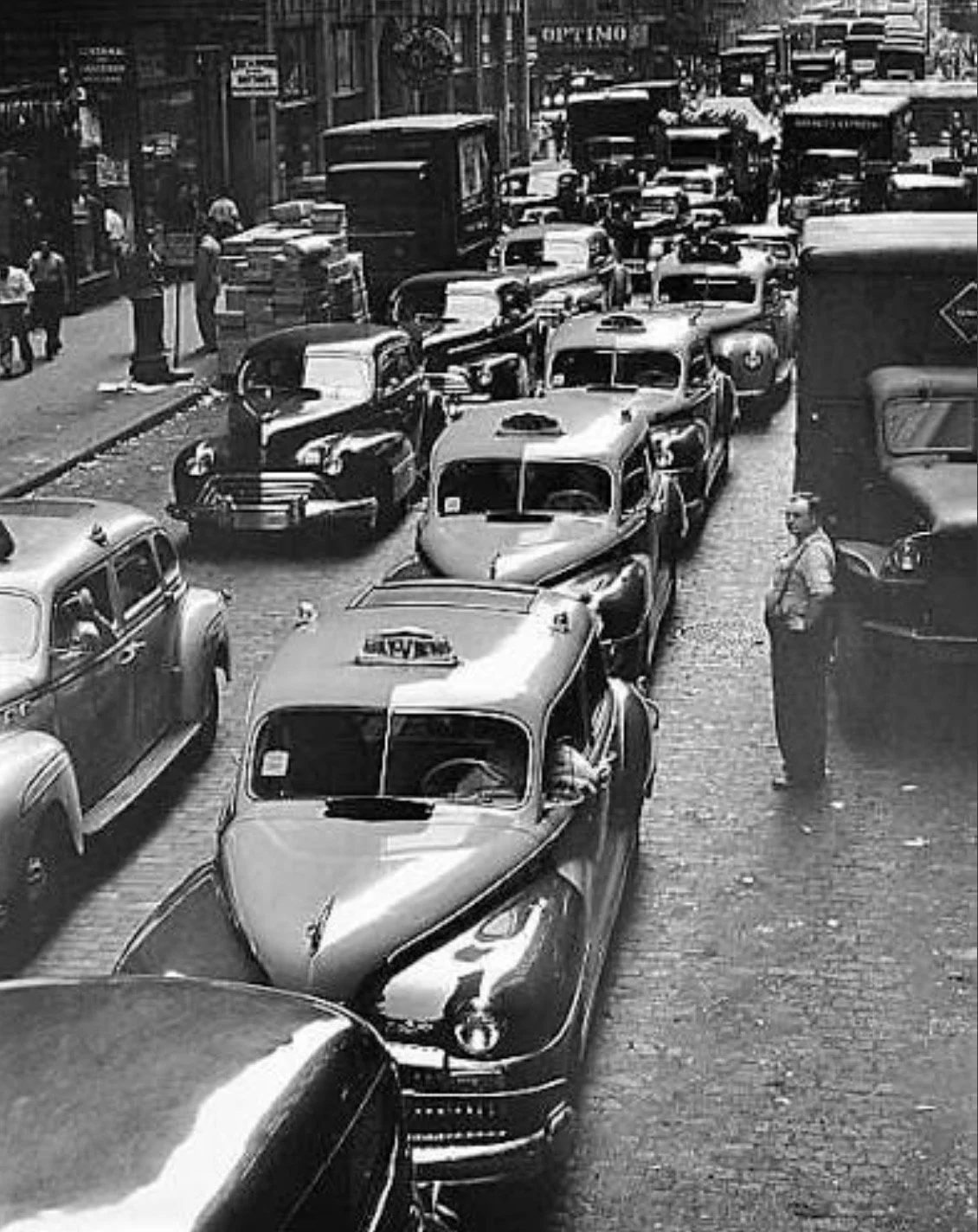
Once a novel intervention, one-way streets helped impose order on the growing chaos of New York traffic.
As both a Masonic leader and a civic figure in the automobile world, Gottlieb treated congestion as more than inconvenience. It was a test of whether a city could govern itself fairly. How do you move millions of people safely, efficiently, and without turning every corner into open combat?
His answer was not glamorous, but it was influential. He championed one-way streets at a time when the concept still felt novel. Today they seem ordinary, nearly invisible in the choreography of city life. Back then, they were a major intervention, a way of imposing order on chaos.
He also had little patience for public dithering. He criticized City Hall for endless discussion without practical resolution and attacked administrations that built major highways while ignoring the side-street bottlenecks and parking failures that left Manhattan in a permanent chokehold. Gottlieb understood a truth urban planners still wrestle with: a city is only as functional as its smallest connections.
The Toll Booth Revolt
Spring in Gottlieb’s America did not just bring warmer weather. It brought tolls. Drivers approached bridges and parkways with coins ready, resigned to another small extraction in exchange for passage.
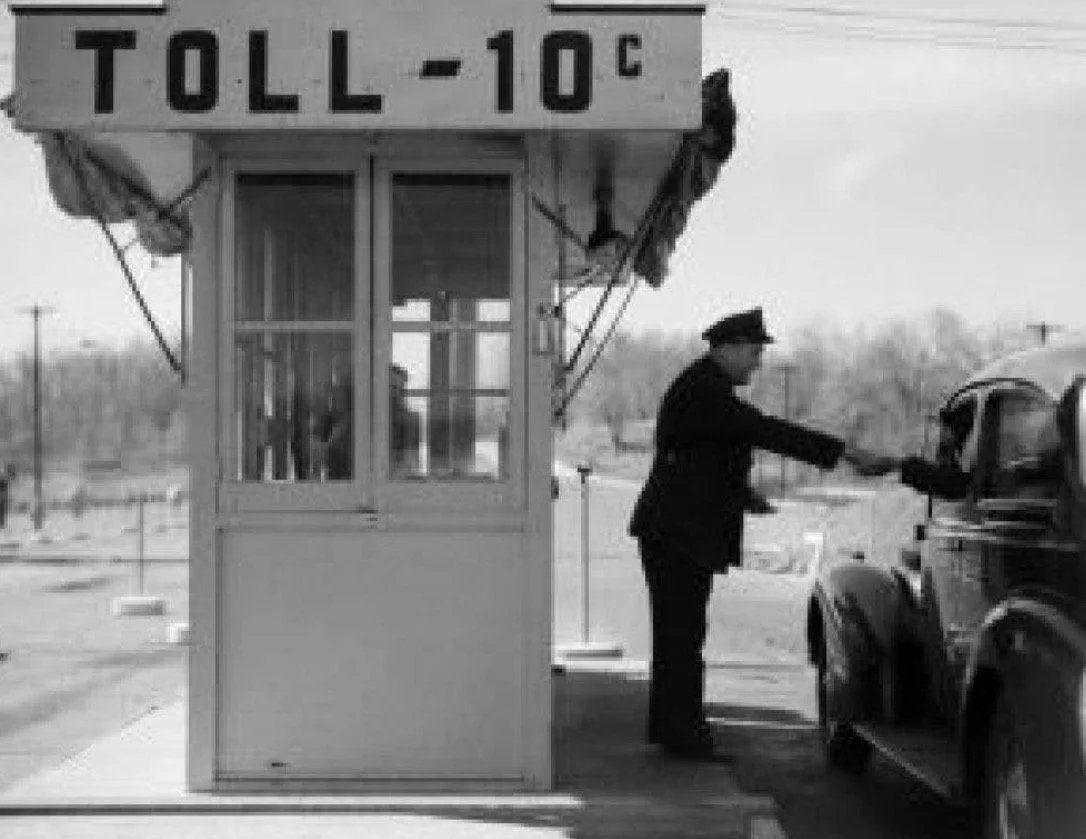
Gottlieb argued that tolls turned roads into revenue machines, shifting focus away from public service.
Gottlieb saw something larger at work. New roads were rising across the region, some financed through tolls, others layered onto infrastructure that had already been paid for by taxpayers. To him, this was not modernization. It was mission drift.
As president of the Automobile Club of New York, he became one of the era’s fiercest critics of toll expansion. He warned that keeping old tolls while adding new ones invited what he called “ruthless exploitation” of the motoring public. His argument was simple and potent: toll-financed highways cost more, sometimes far more, than roads funded through fuel taxes and vehicle fees. Worse, they distorted public priorities. Roads that generated cash got attention. Roads that simply served the public got neglected.
For Gottlieb, that was the real danger. A transportation system built to harvest revenue would never be as fair as one built to move people.
He pushed hard against the diversion of motor vehicle taxes into general government budgets, urging New York drivers to become a political force rather than a passive source of funds. He accused both parties of treating motorists as a “political football.” He fought toll controversies from Connecticut’s Merritt Parkway to the Hutchinson River Parkway in Westchester, drawing fire from newspapers and public officials alike. The criticism only underscored his reach. He was hitting nerves because he was hitting interests.
War, Rationing, and the Gasoline Muddle
Then came World War II, and with it a new reality. The car, once the emblem of American freedom, was folded into the machinery of wartime control. Gasoline was rationed. Civilian travel tightened. Driving became less a personal act than a regulated privilege.
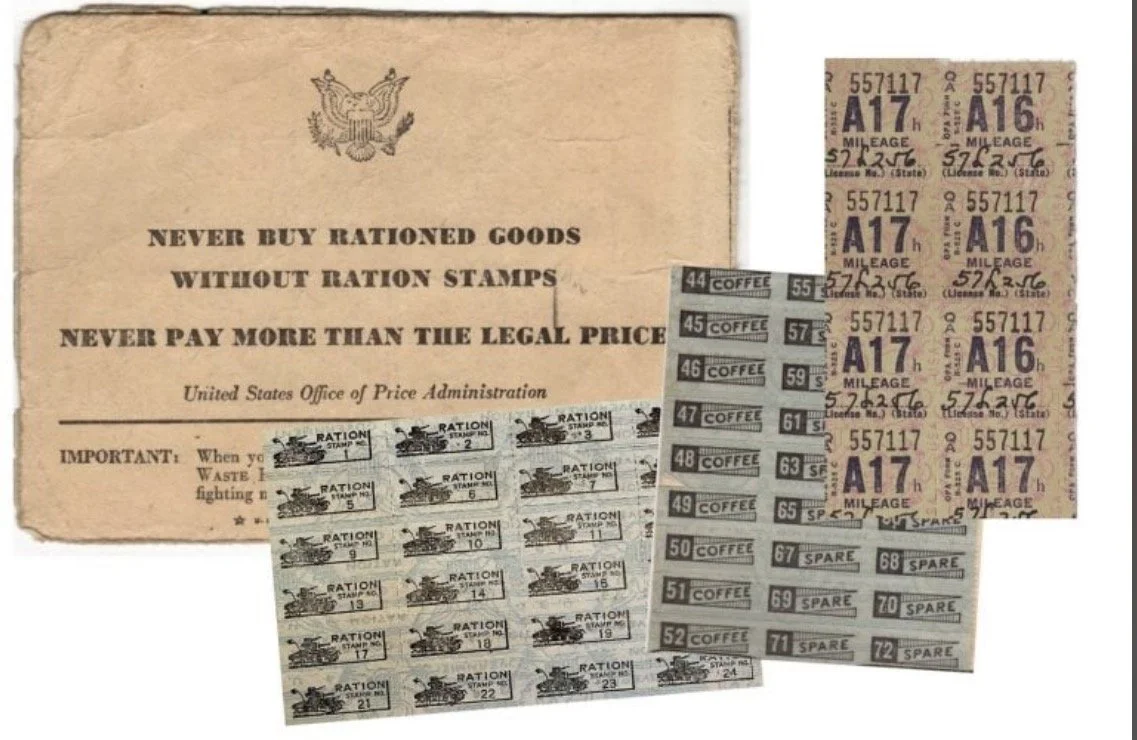
Wartime rationing transformed driving from a daily habit into a tightly controlled privilege.
Gottlieb stepped into that climate as a complicated figure: patriotic, practical, but deeply suspicious of bureaucratic confusion. He urged conservation and warned that careless consumption could trigger harsher restrictions, including Sunday station closures and steeper ration cuts. But he also argued that ordinary drivers deserved fair treatment.
He took issue with fuel policies he viewed as inconsistent or punitive, and he insisted that “A coupon” motorists, the average civilian drivers of the era, should be trusted to make responsible decisions with their limited gas allotments. In public statements and letters, he attacked what he saw as failures by oil companies and federal administrators, charging that the petroleum industry was feathering its own nest while consumers bore the burden.
Even in wartime, Gottlieb held to the same principle that defined his public life: the driver was not merely an entry in a ledger or a number in a quota. The driver was a citizen.
Safety, Citizenship, and the Moral Meaning of the Road
It would be easy to remember Gottlieb only as an anti-toll crusader, but that would miss the fuller shape of his career. He cared just as deeply about safety, especially where children were concerned.
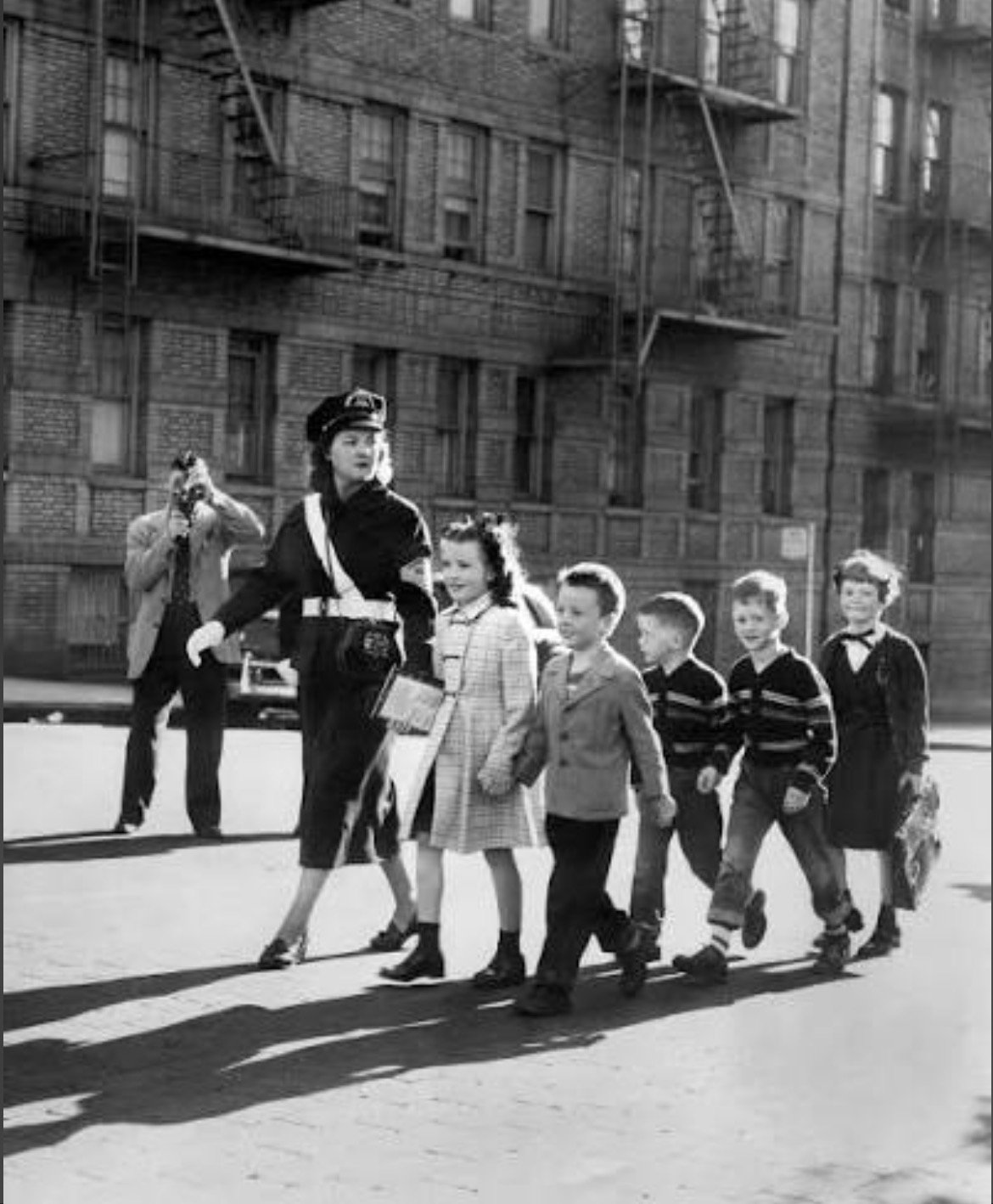
For Gottlieb, safety programs like the School Patrol taught responsibility as much as they prevented accidents.
He believed one of the great achievements of the American Automobile Association was the School Safety Patrol program, which placed student crossing guards, “sentinels of safety,” at intersections near schools. By the early 1950s, he pointed proudly to hundreds of thousands of children participating nationwide. To him, the program was about more than accident prevention. It was civic education in miniature, a way of teaching discipline, responsibility, and public duty.
Under his leadership, the Automobile Club of New York pushed seasonal safety campaigns, posting “School’s Open” placards across the city each fall. He called for better driver education, clearer signage, and higher-quality tires. He believed roads became safer not only through policing, but through better systems, better equipment, and better habits.
That belief gave his worldview a moral dimension. Motoring, in Gottlieb’s eyes, was not freedom without consequence. It was a shared public compact. Every driver owed something to the people around him, especially the young and vulnerable.
Why Gottlieb Still Feels Modern
The details have changed. The arguments have not.
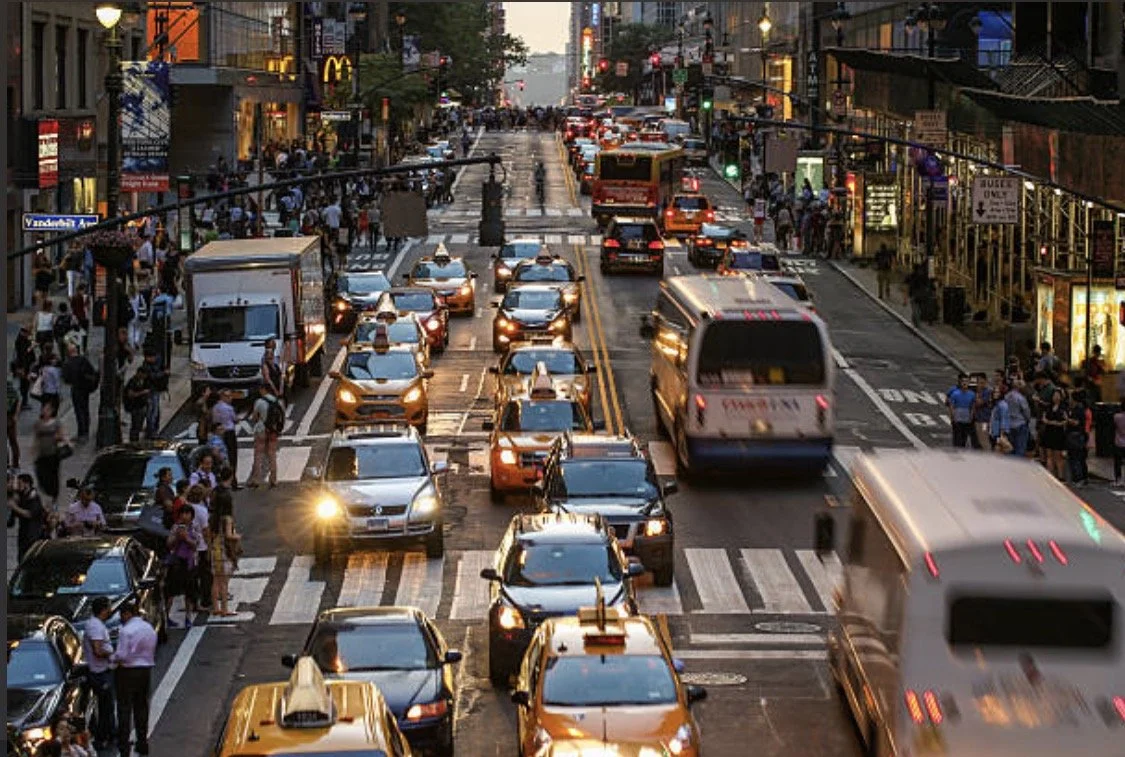
The questions Gottlieb raised still shape debates over congestion, access, and who pays to move through the city.
Today’s drivers tap transponders instead of handing over coins. We debate congestion pricing, ride-share traffic, bike lanes, electric vehicle charging, open streets, and who gets priority in crowded cities. Yet the core questions remain strikingly familiar. Who pays for transportation? Who benefits? Who gets pushed aside? And when does public infrastructure stop being a service and start becoming a revenue strategy?
Gottlieb understood those questions early, and he understood their stakes. He lived through the moment when the automobile ceased to be a luxury and became the architecture of everyday life. That shift changed not just travel, but the shape of neighborhoods, commerce, and citizenship itself.
His warnings still resonate. The more hidden charges accumulate around ordinary movement, the more people look for ways around them. In his day that meant shunpiking down untolled side roads. In ours it may mean rerouting, carpooling, abandoning certain routes, or abandoning car use altogether. The behavior changes, but the instinct is the same. People resist systems that feel designed to squeeze them.
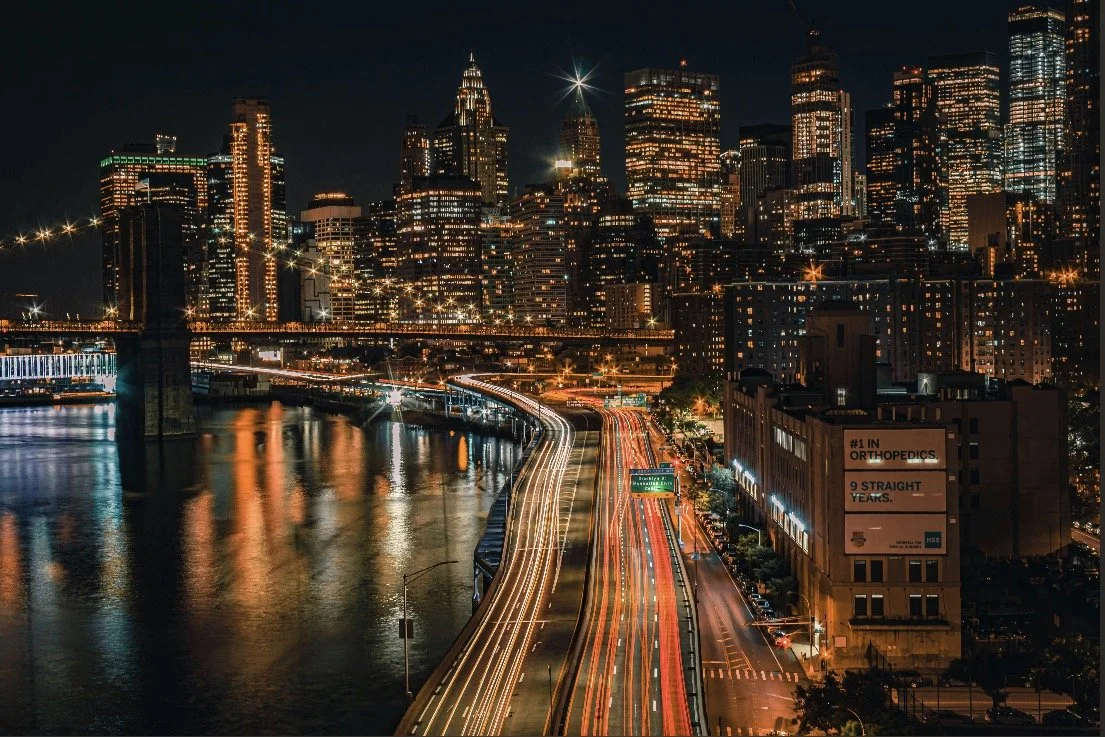
The daily commute remains a negotiation between freedom, cost, and control; just as it was in Gottlieb’s time.
William J. Gottlieb belonged to an era of paper maps, toll baskets, and smoky debates at City Hall, but his story feels remarkably current. He saw the automobile as a mirror of American life: democratic, disorderly, ambitious, and always vulnerable to exploitation. He spent his career arguing that the road should remain a public promise, not a private trap. And in a nation still fighting over who gets to move freely, and at what cost, that argument has never really gone out of style.
Related Articles
City Lodge 408 -- The lodge that followed New York
City Lodge Charter and Notable Members — The men behind the legacy
Advance Service Mizpah Lodge No. 586 — The Story continues here