Garret J. Garretson: The Last Great Gentleman of Queens
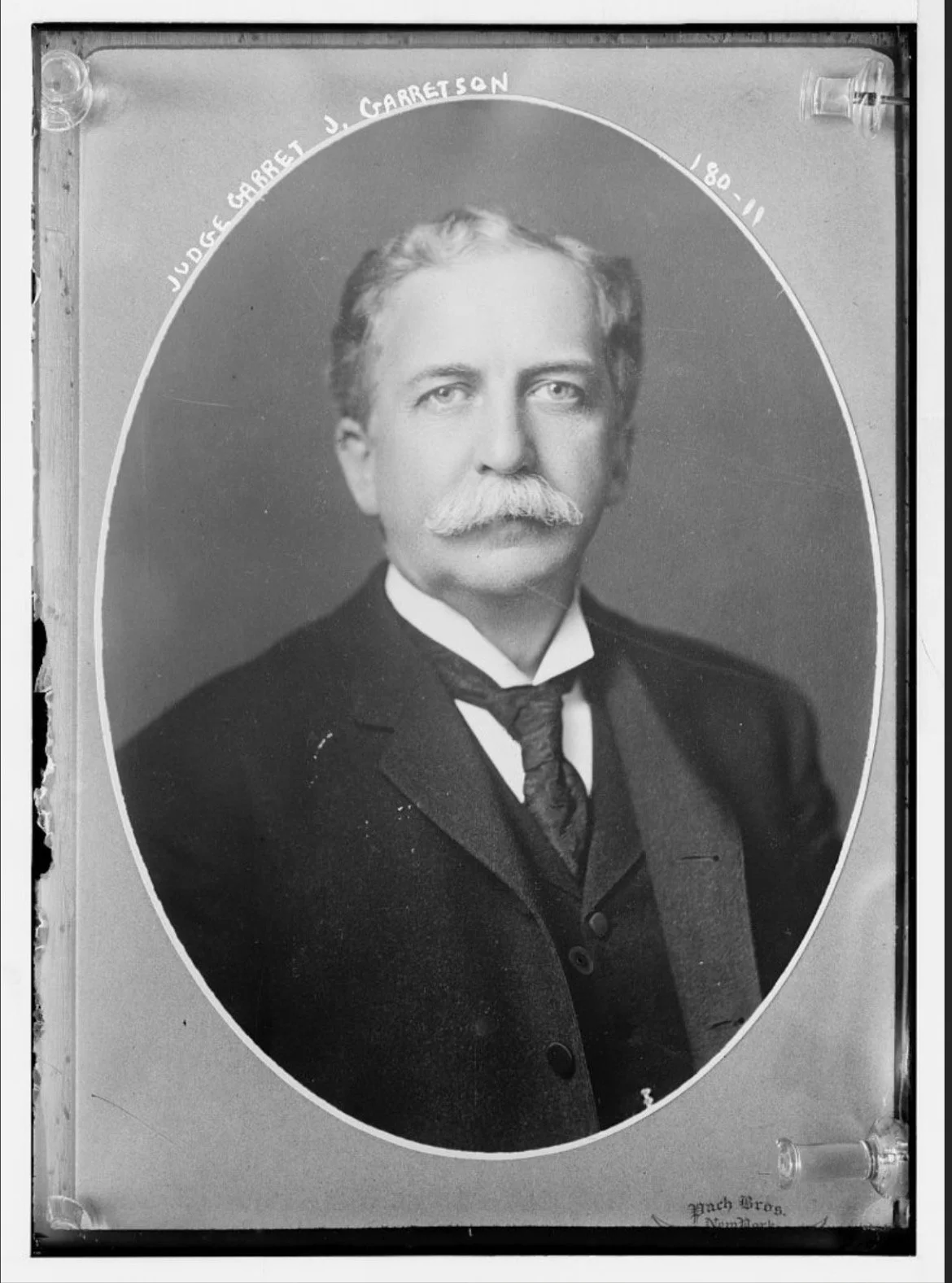
Honorable Garret J. Garretson
Garret J. Garretson rose from old Newtown to the New York Supreme Court, building a public life defined by steadiness, civic duty, and unusual trust across party lines.
From Old Newtown to Public Life
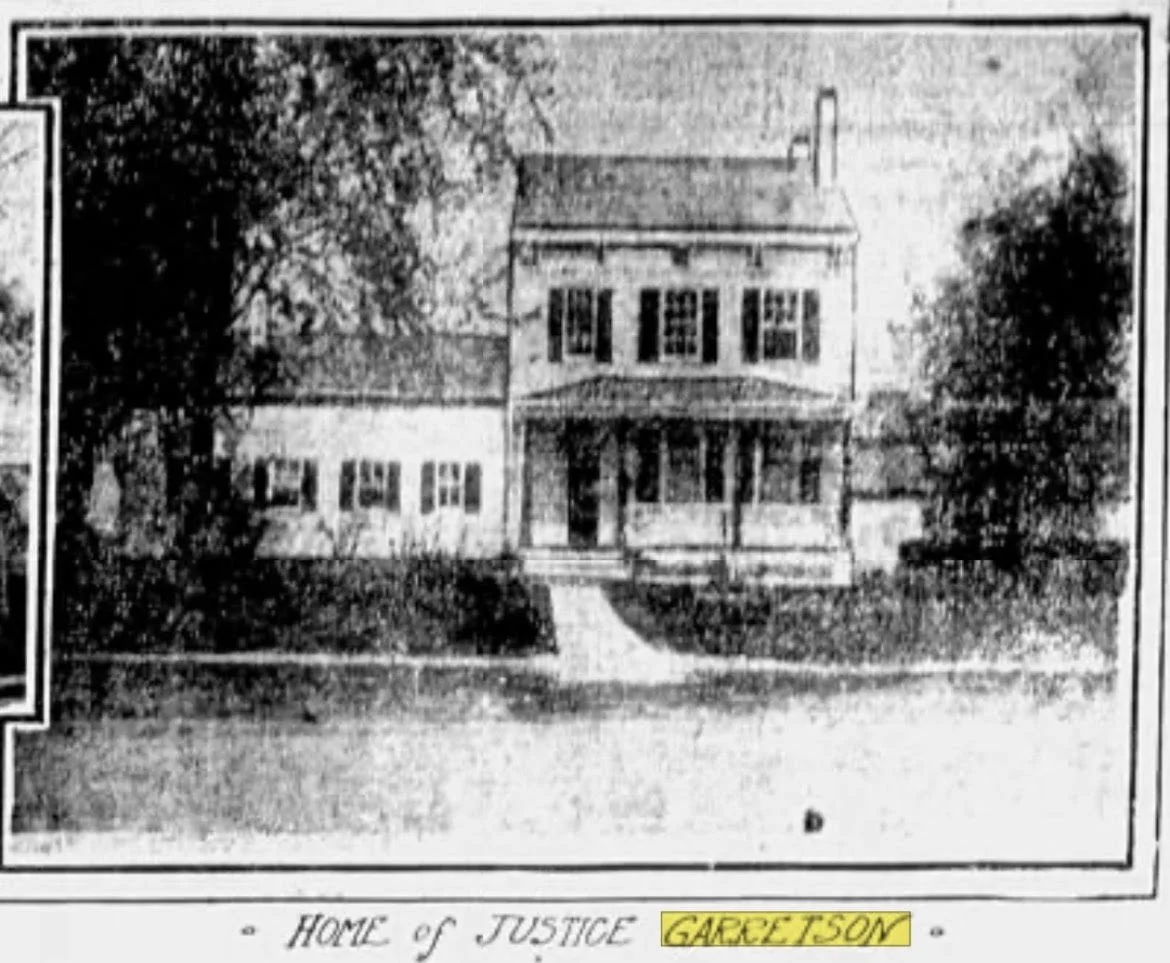
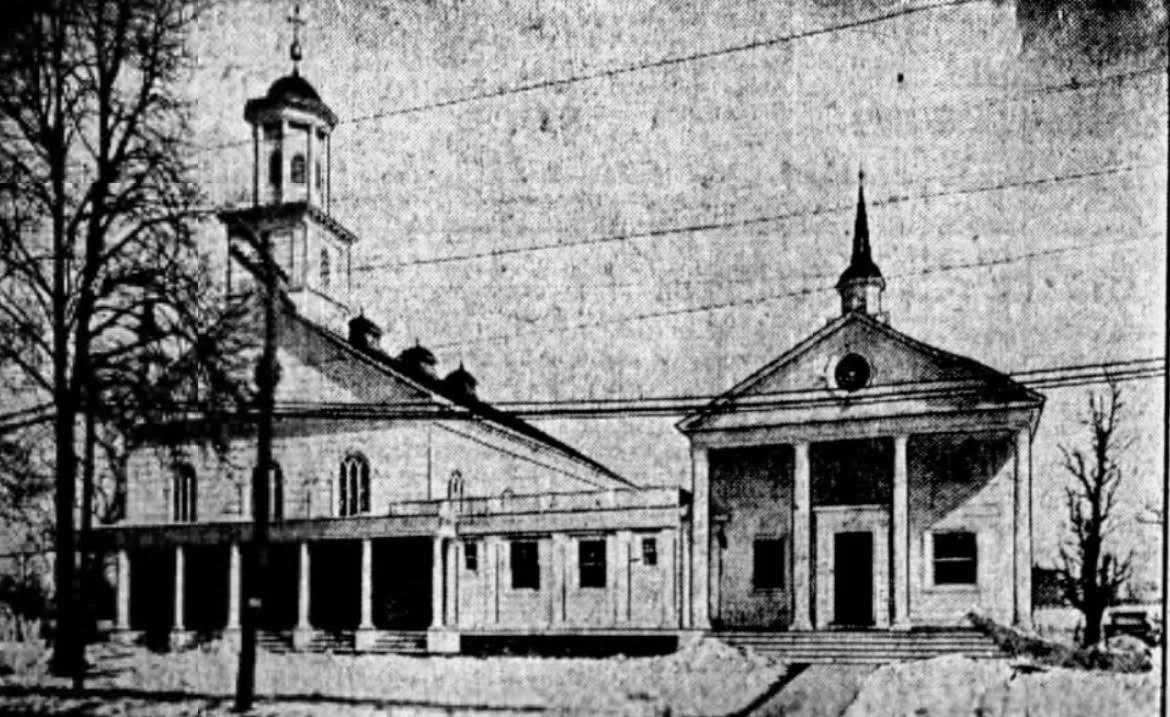
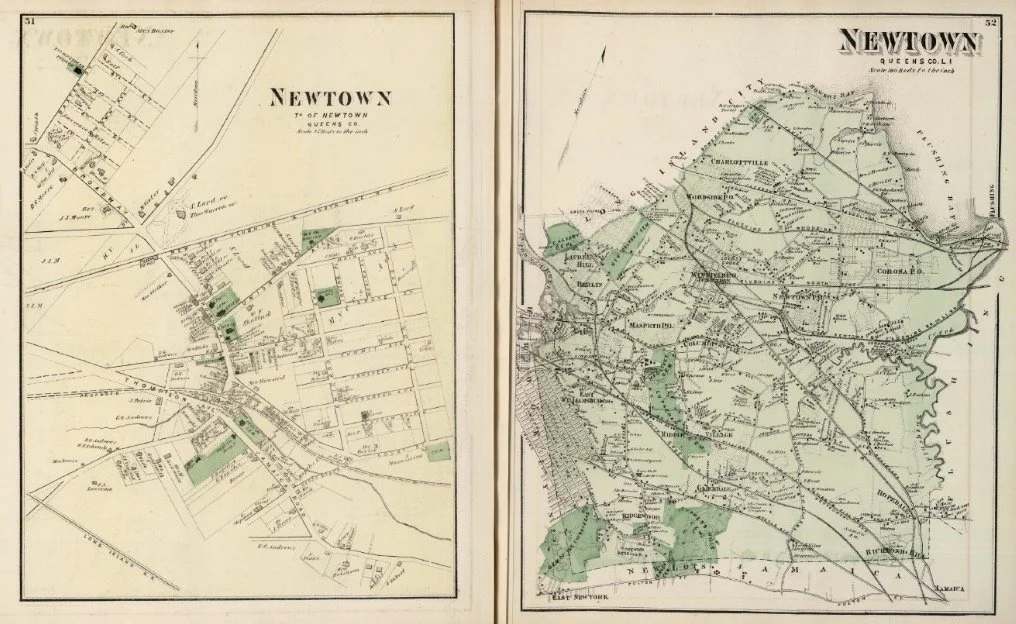
Newtown, the Queens village where Garret J. Garretson was born and raised
By the time Garret J. Garretson died in 1922, the Queens that shaped him was already disappearing. The old world of village churches, school boards, fraternal halls, and courthouse reputations was giving way to a faster, more impersonal city.
Garretson belonged to that earlier civic order. Born in the Newtown parsonage in 1847, he became a lawyer, educator, county judge, Supreme Court justice, and Masonic leader. More than that, he became the kind of public figure communities rarely produce now: a man broadly trusted over a lifetime.
He was born in what is now Elmhurst, the son of the Rev. Garret J. Garretson of the Reformed Church. His mother, Catherine Rapalje, came from one of the oldest families in early New York. On his father’s side, he descended from Gerrit Gerritson, who came from Holland in 1660. On his mother’s, he traced his line to Joris Jansen de Rapalje, who arrived in New Netherland in 1623.
That ancestry gave Garretson more than social standing. It rooted him in the history of the place he would serve. He grew up with a strong sense that public life was something to inherit, preserve, and strengthen.
Education, Law, and Local Leadership
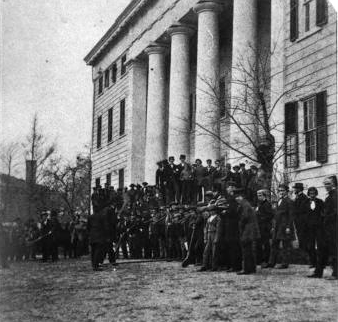
Garretson began his public career in Queens schools and local education.
After attending public schools and the Flushing Institute, he studied law with Marvin & Daniel in Manhattan and was admitted to the bar in 1869. He soon entered private practice with Henry W. Eastman, beginning a legal career that would last more than fifty years.
But Garretson’s public life began before his judicial career. He served as School Commissioner of Queens County from 1872 to 1875 and later spent fifteen years as President of the Board of Education in Newtown. Those roles showed his commitment to local institutions and helped build the public confidence that would define his career.
A Reputation for Fairness
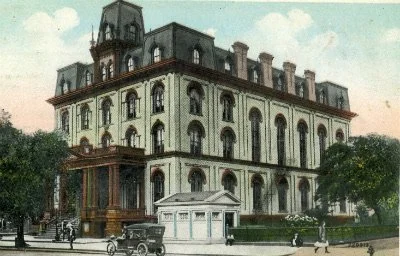
Queens County courthouse life helped establish Garretson’s reputation for fairness and integrity.
In 1880, Governor Alonzo Cornell appointed him Surrogate of Queens County. In 1885, he was elected County Judge. In 1891, he was reelected. By then, Garretson had earned a reputation for fairness, restraint, and integrity.
He was praised in his own time for “purity and probity in public office,” a phrase that now sounds old-fashioned but captures how deeply character shaped public reputation in the nineteenth century. Garretson was a Republican, but he was never seen as merely partisan. His authority rested on something larger: the belief that he was careful, principled, and trustworthy.
On the Supreme Court
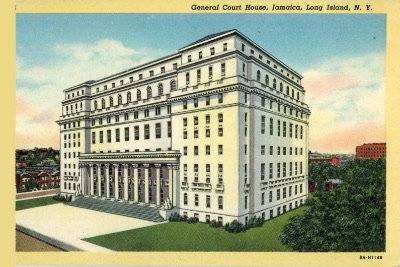
Garretson served more than twenty years on the New York Supreme Court bench.
In 1896, he was elected to the New York Supreme Court in the Second Judicial District. Around the same time, Governor Levi P. Morton appointed him to the commission that helped frame the charter for Greater New York, briefly placing him at the center of a major civic reorganization.
Garretson served on the Supreme Court bench for twenty-one years. He was not known for drama or self-promotion. He was known for steadiness. Accounts of his career consistently described him as thorough, impartial, and deeply learned in the law.
“I feel proud of that fight, although it was a disagreeable experience.”
The Election That Proved It
That reputation was tested in 1910, when he sought reelection during a powerful Democratic wave. He was denied the Democratic nomination, in part because of his age, but voters crossed party lines to keep him on the bench. He won by more than 4,500 votes and was the only Republican elected in his district.
The victory said everything about his standing. A public appeal in The New York Times urged Democratic voters to support him on the grounds that politics should not control the administration of justice. That argument worked because Garretson had spent decades earning confidence that reached beyond party loyalty.
Later, he reflected on the campaign with typical restraint: “I feel proud of that fight, although it was a disagreeable experience.”
A Life Beyond the Bench
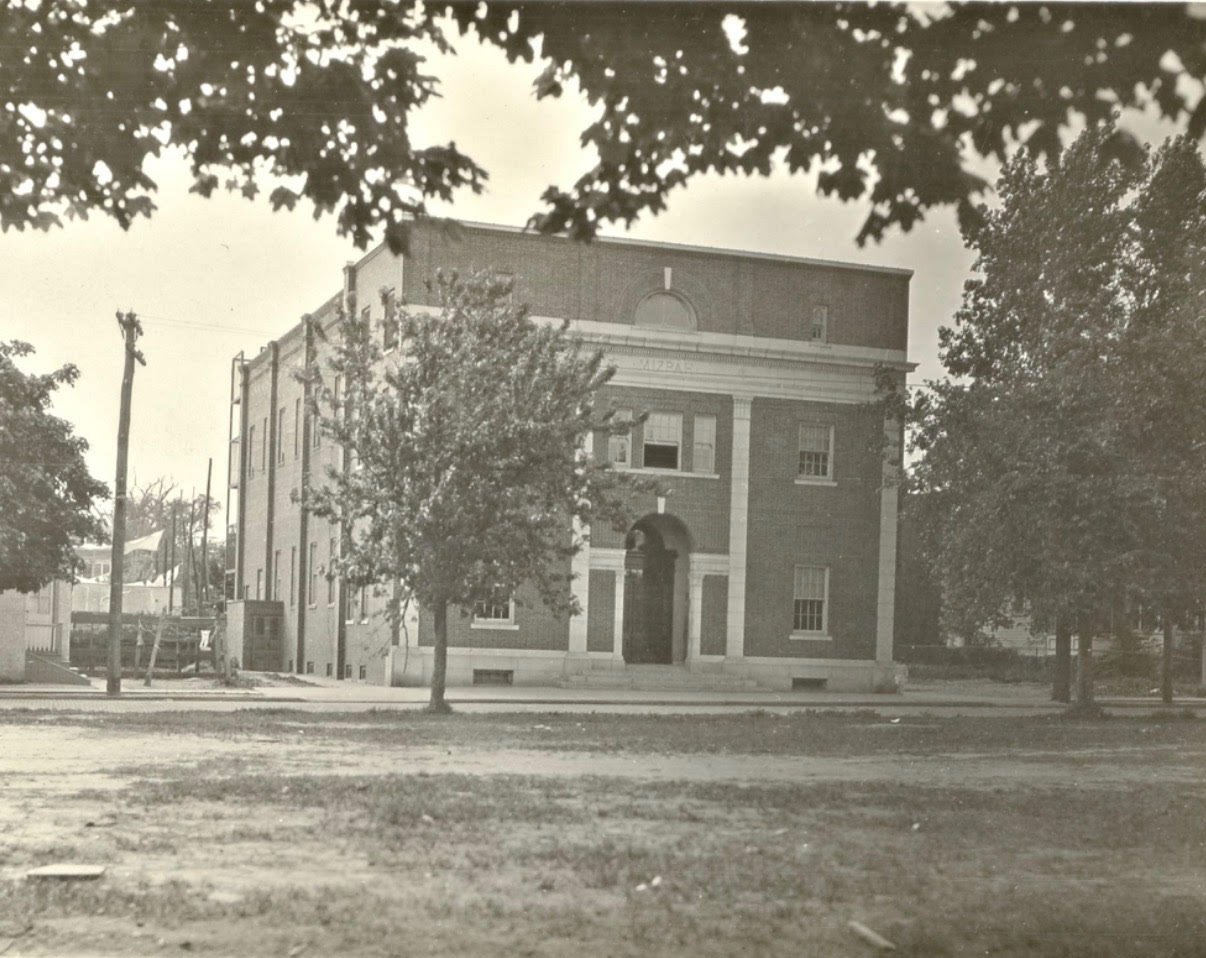
Garretson was a charter member and first Worshipful Master of Mizpah Lodge No. 738 in Elmhurst.
He retired from the Supreme Court in 1917 after reaching the constitutional age limit of seventy. Even then, he continued serving as an official referee until 1920. By the end of his judicial career, he had spent thirty-three years on the bench.
Garretson’s importance in Queens extended beyond the courtroom. He was a charter member and first Worshipful Master of Mizpah Lodge No. 738 in Elmhurst, instituted in 1873. He served as master from 1873 to 1876, again in 1878, and again in 1900. His long connection to the lodge reflected the same qualities that shaped the rest of his life: continuity, discipline, and institutional loyalty.
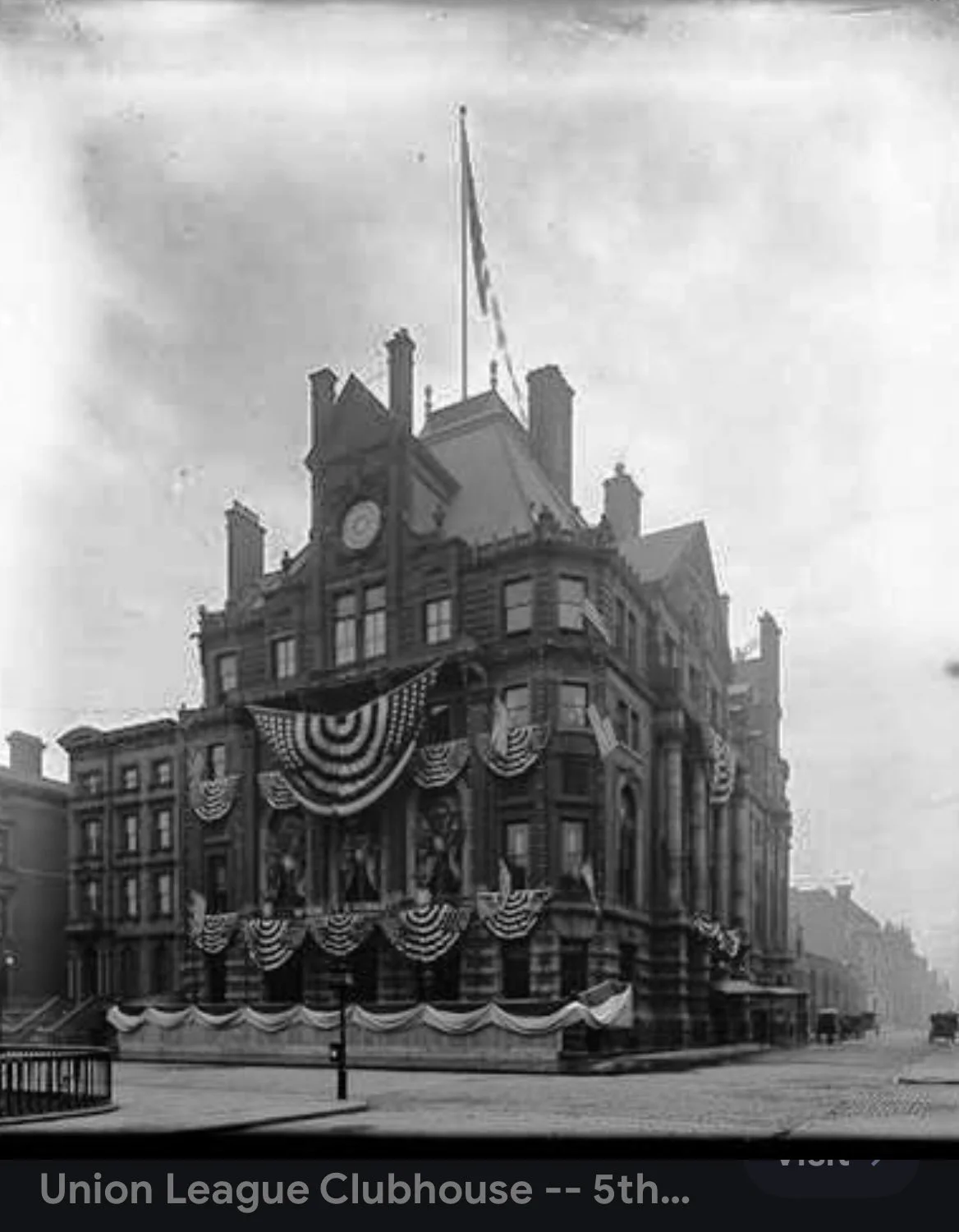
Garretson’s civic influence extended beyond the courts into major New York institutions.
He was also active in broader civic and historical life, including the Union League Club and the Holland Society, where he served as president. Contemporary profiles often described him as a “courtly gentleman of the old school.” In his case, the phrase seems justified. He represented an older style of leadership based less on visibility than on conduct.
A Legacy of Trust
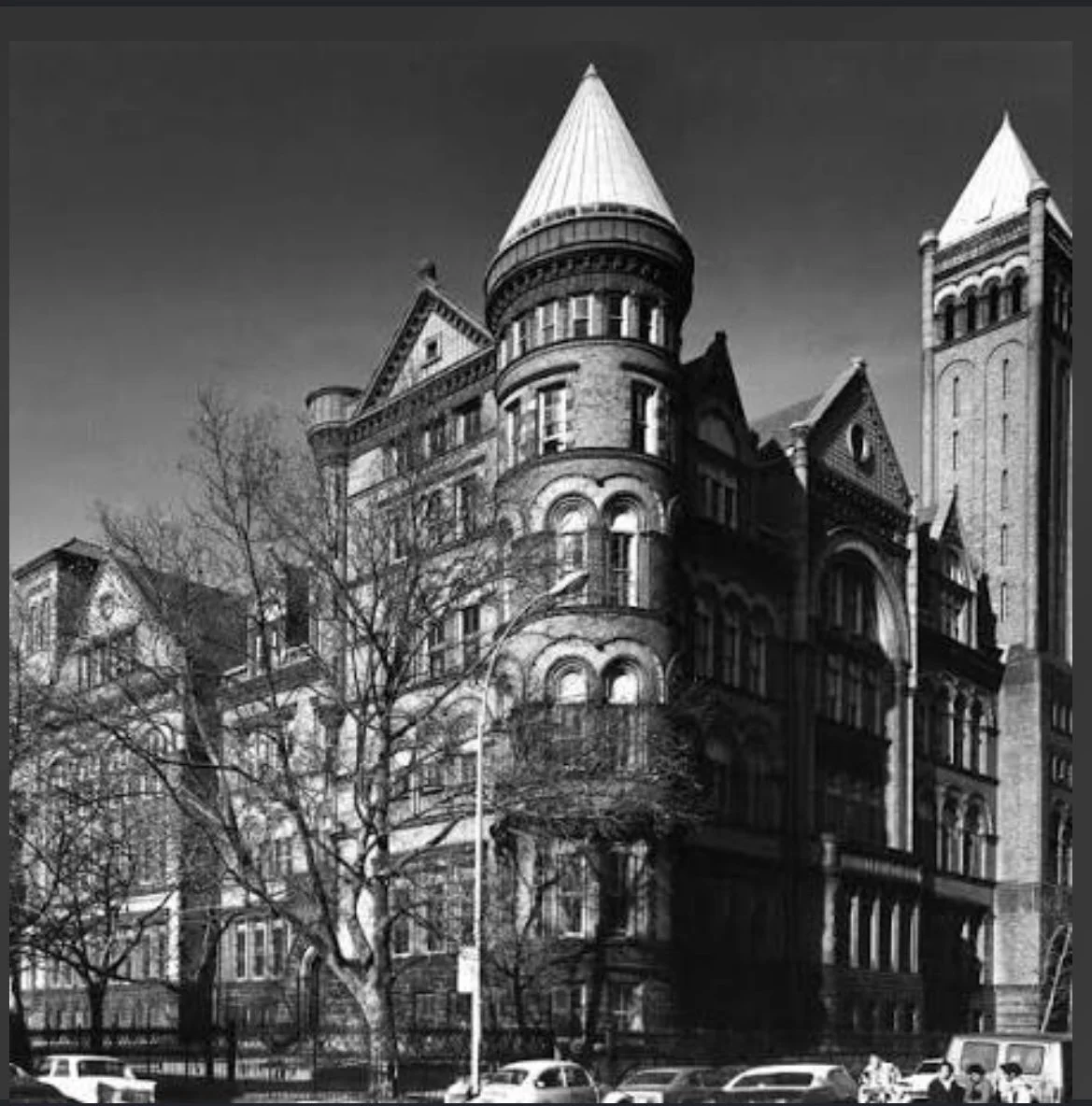
In Garretson’s memory, a library was established at Newtown High School.
Garretson died on July 9, 1922, in Amagansett, just days before his seventy-fifth birthday. He was survived by his wife, Sara Wilson Garretson, and by the children of his first marriage to Eliza Leggett Eastman. In his memory, Mrs. Garretson later established a library at Newtown High School.
His legacy does not rest on one famous decision or one dramatic public act. It rests on a broader achievement: over decades, in schools, courts, and civic institutions, Garretson convinced a community that he was worthy of trust.
That is a rare legacy in any age.
Related Articles
Mizpah Lodge 738 -- The Newtown Lodge
Mizpah Lodge Charter — Where the story begins
Mizpah Lodge Cornerstone Ceremony — The temple takes shape
Mizpah Masonic Temple — The Elmhurst Watchtower
Advance Service Mizpah Lodge No. 586 — The Story continues here