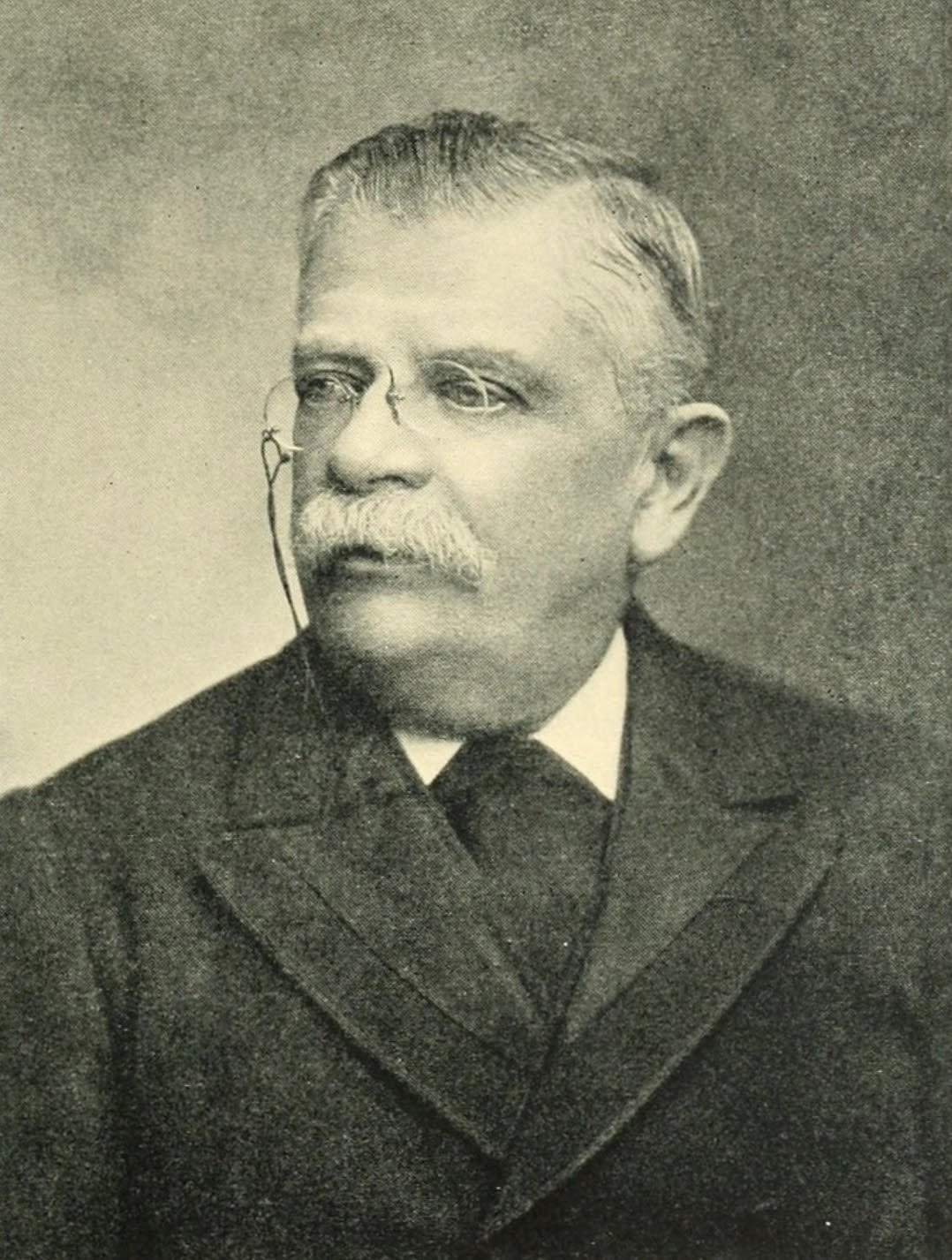
Abram Jesse Dittenhoefer: Lincoln, Mark Twain, and a Remarkable Masonic Career
Abolitionist, Lincoln elector, Masonic leader, and Broadway’s first legal champion—Abram J. Dittenhoefer lived a life that reads like a novel. Discover the story of the Jewish New Yorker who turned down a judgeship from Lincoln and once tried Mark Twain for “unconscionable lying.”
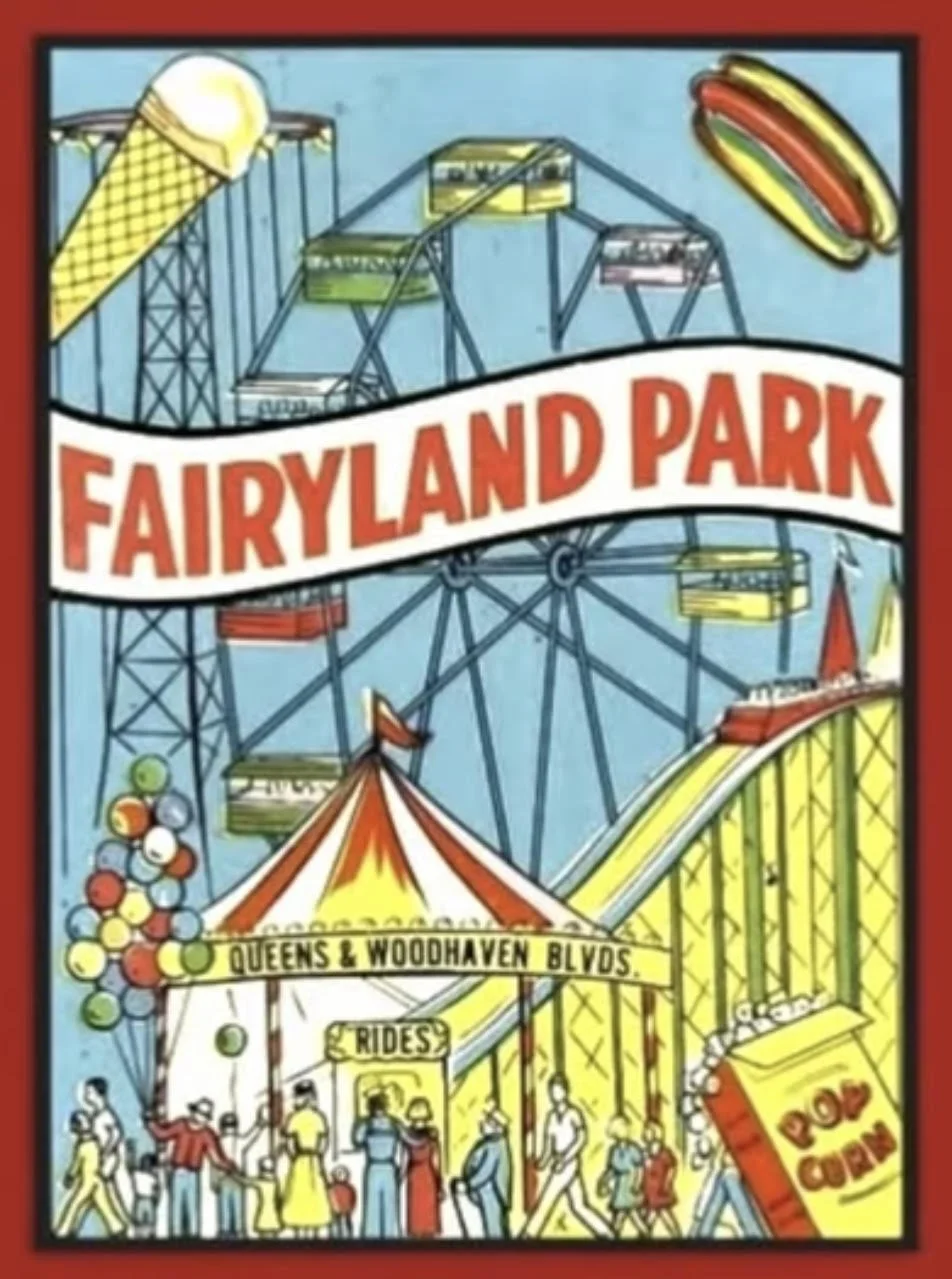
Bernard Berkley: The Mason Who Brought Magic to Queens
In the 1950s, Brother Bernard Berkley of Geba Lodge helped turn Queens Boulevard into a little kingdom of joy. As co-owner of Fairyland Amusement Park, he welcomed local families—and even busloads of orphaned children—into a world of rides, laughter, and Masonic-inspired charity beneath what is now Queens Center Mall.
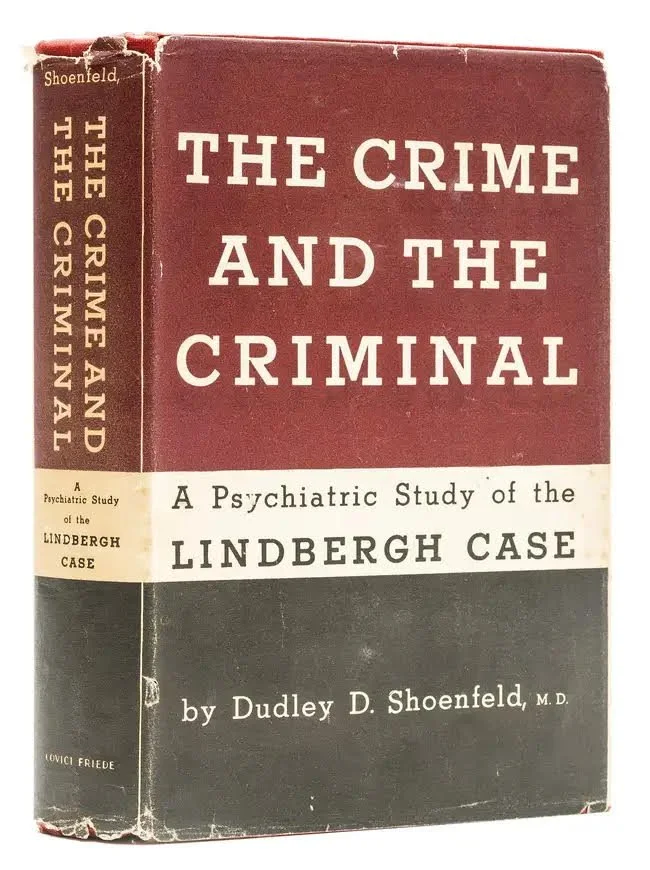
Dudley D. Schoenfeld: Navy Veteran, Forensic Pioneer, and Freemason
Dudley D. Schoenfeld, a Queens Freemason and Mount Sinai psychiatrist, became a pioneer of criminal profiling with his remarkably accurate psychological study of the Lindbergh kidnapper. This article traces his journey from Navy service and lodge room to the forefront of forensic science.
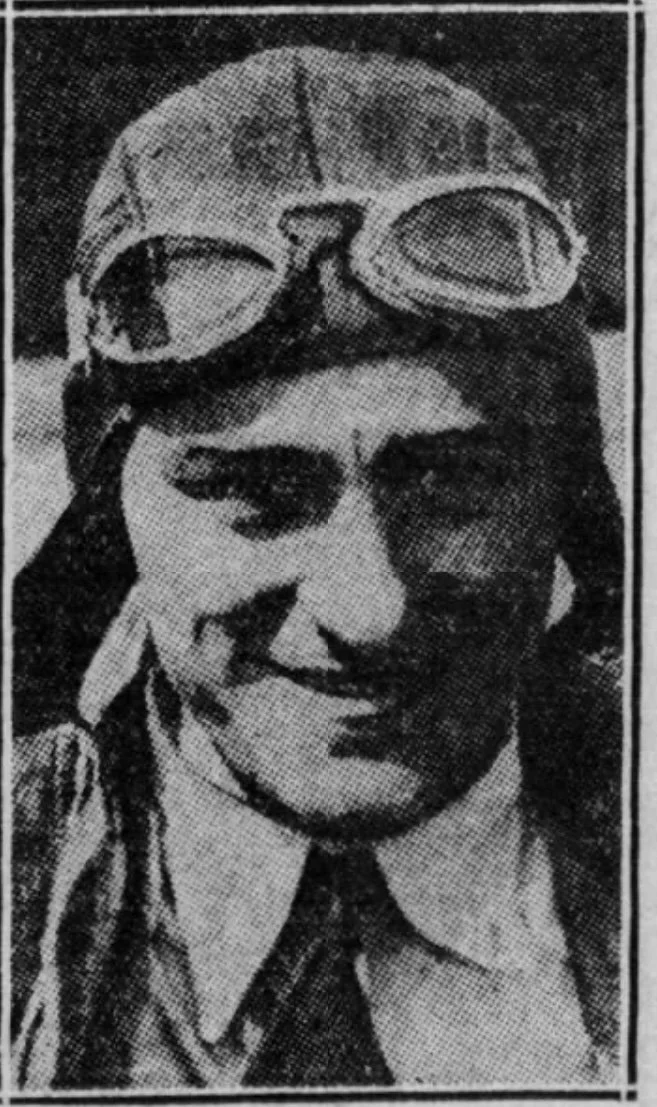
Brother Anthony “Speed” Hanzlik: Freemason, Aviation Pioneer, and Queens Sky King
Brother Anthony “Speed” Hanzlik was more than the owner of Flushing Airport. He was a Freemason, aviation pioneer, wartime recruiter, and a central figure in Queens aviation history. From barnstorming and skywriting to guiding pilots toward service before World War II, Hanzlik helped shape the borough’s skies and left behind a legacy of innovation, discipline, and brotherhood.
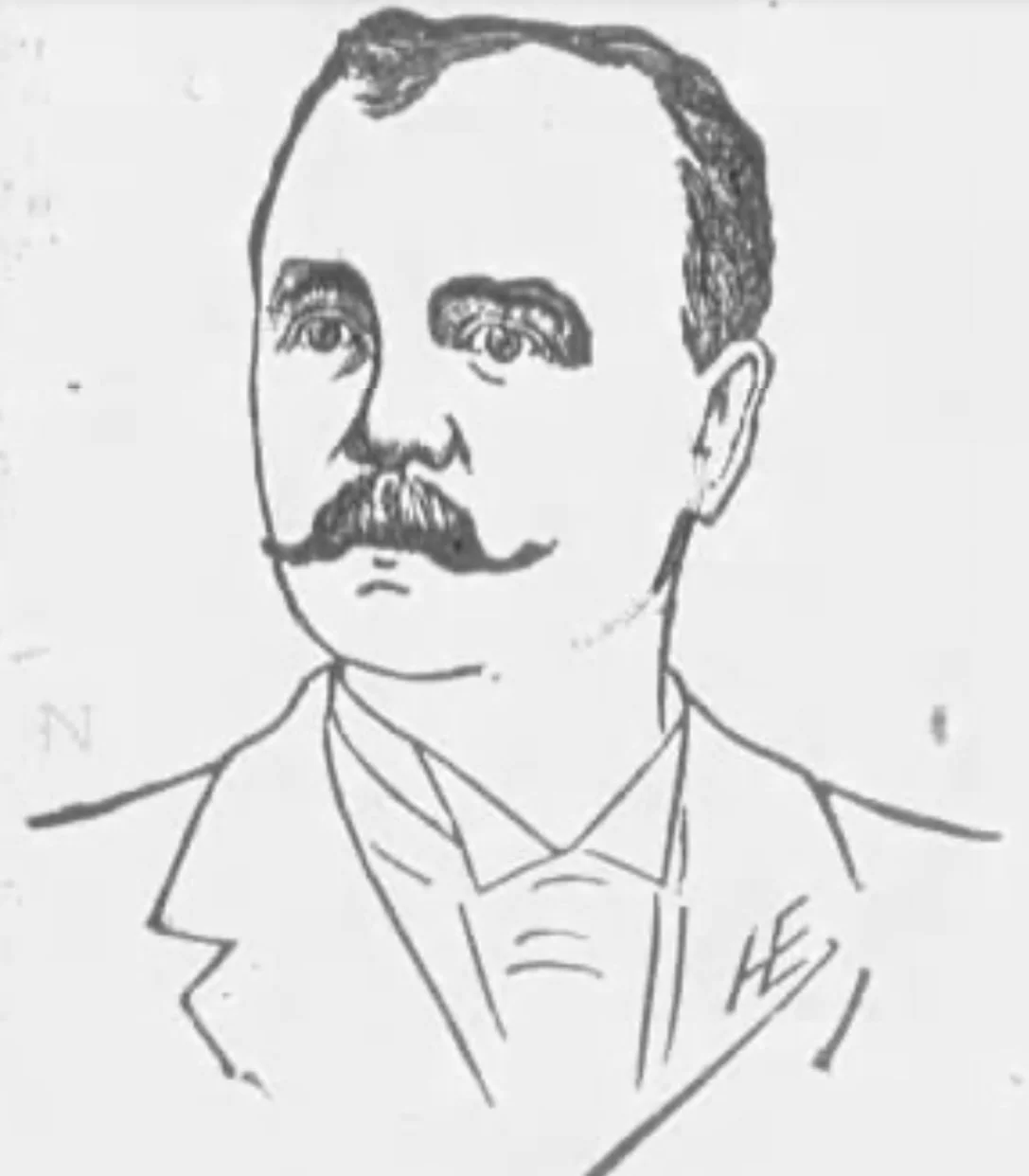
Horatio S. Sanford and the Battle for Democracy in Long Island City
Horatio S. Sanford emerged as a reform-minded leader at one of the most turbulent moments in Long Island City history. In a political landscape dominated by corruption, contested elections, and machine rule, Sanford fought for honest government, fiscal responsibility, and civic improvement. His brief but consequential mayoralty helped restore public trust, reform city institutions, and lay foundations that would outlast the city itself.
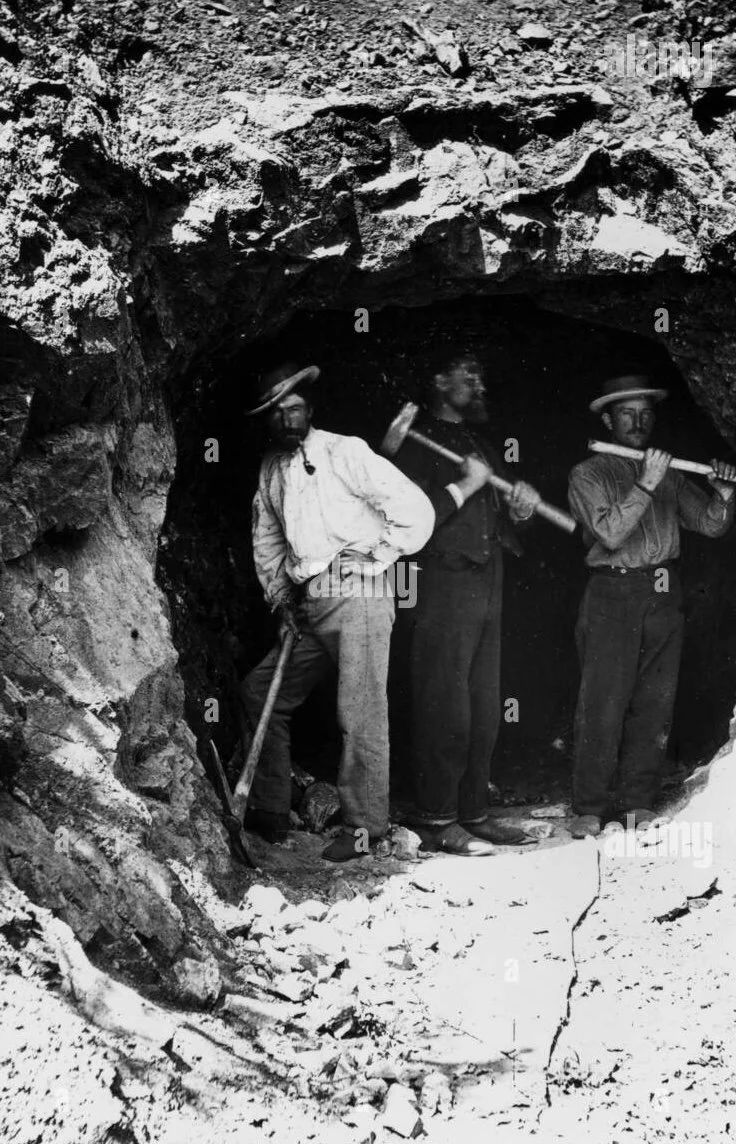
Julius H. Striedinger: Quiet Craftsman, Lasting Impact
Julius H. Striedinger was a civil engineer, inventor, and Master Mason whose work helped transform Hell Gate from one of New York’s most dangerous waterways into a safer channel for navigation and commerce. His quiet but consequential labors tied Astoria more closely to the region’s industrial growth and left a lasting mark on Queens history
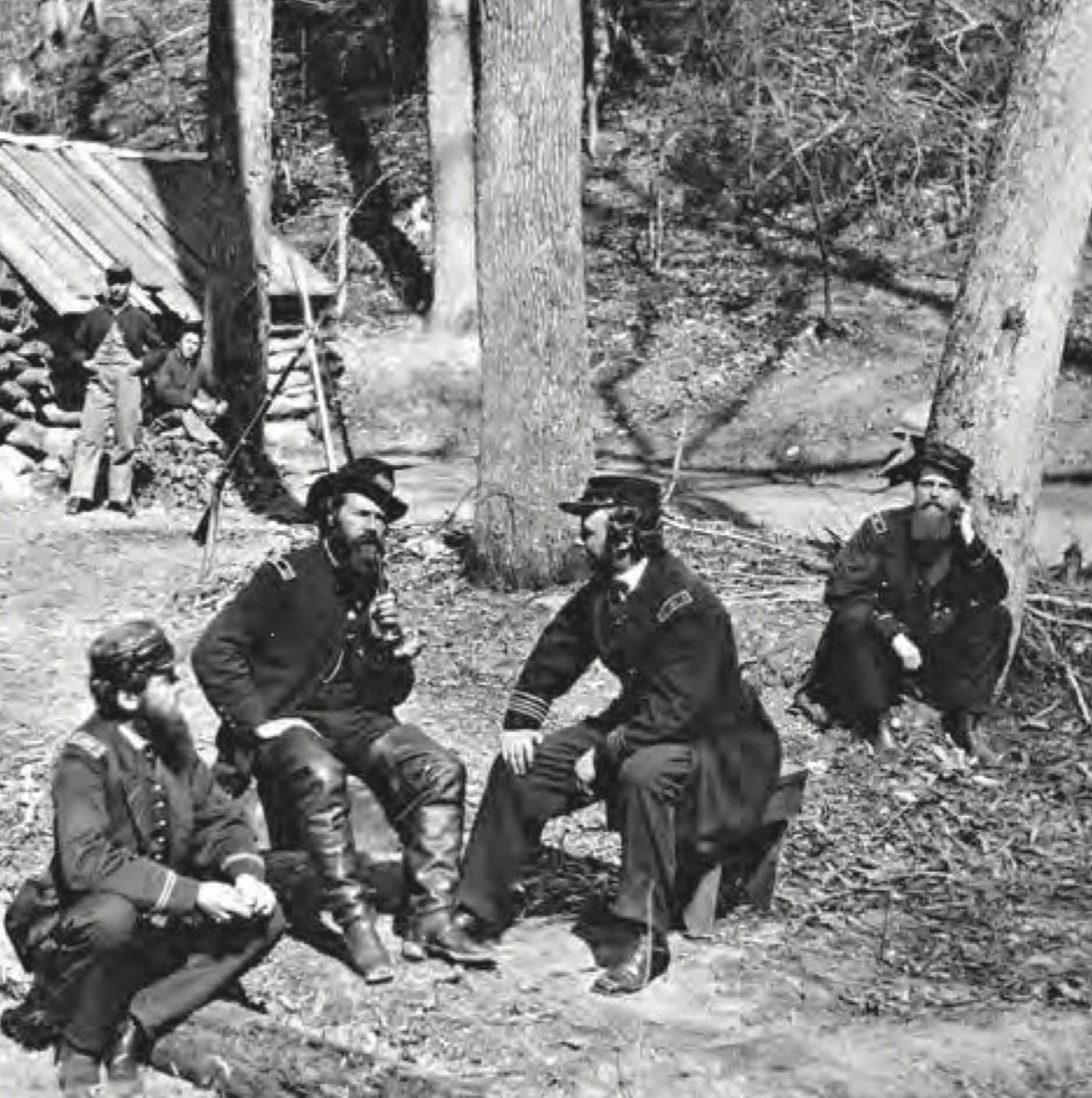
Benjamin Maillefert, Part 2: Naval Engineering and Innovation
How did Benjamin Maillefert help shape Civil War naval engineering? This article explores his work with the Union Navy, his innovative diving bell, his role in early torpedo development, and his continued efforts to make Hell Gate safer for navigation.
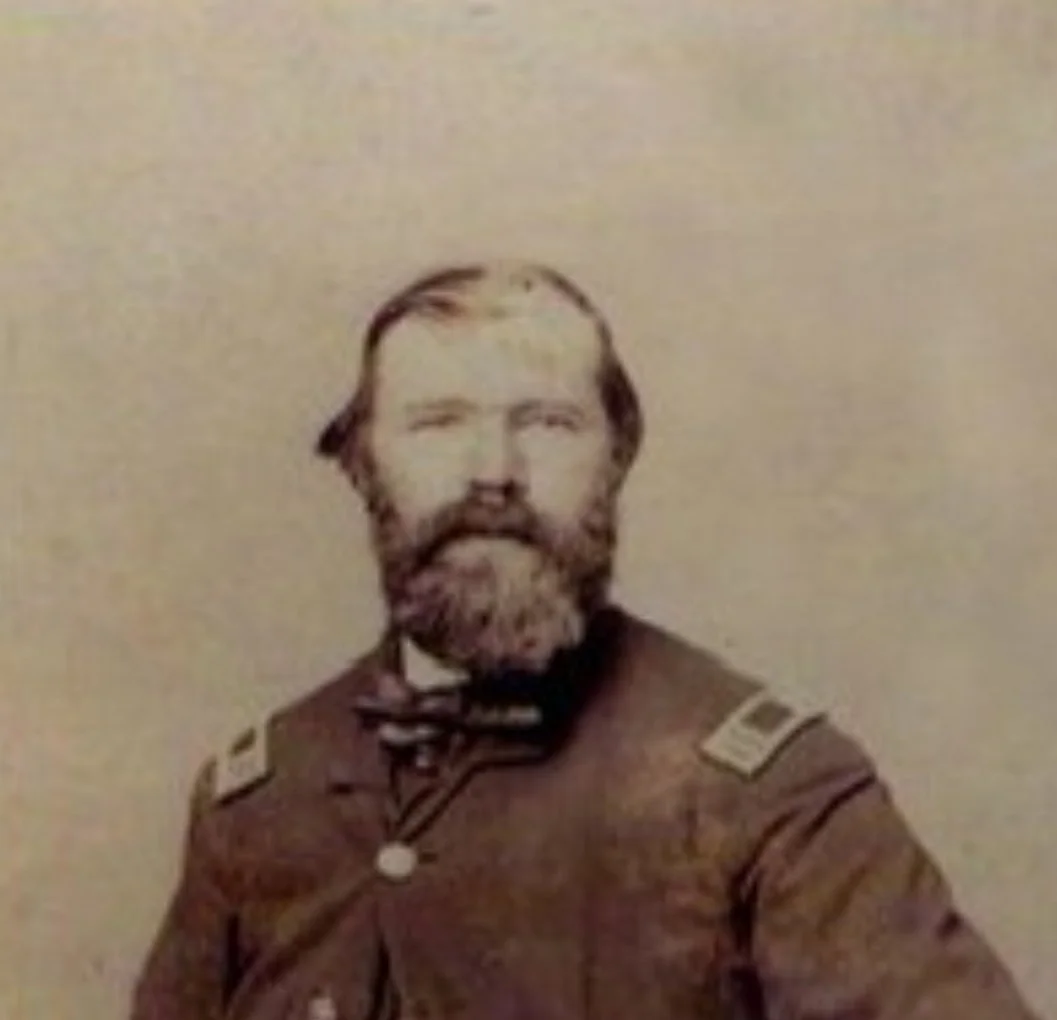
Benjamin S. H. Maillefert, Part 1: Pioneering Submarine Engineer of the 19th Century
Before modern underwater engineering, Benjamin S. H. Maillefert was using explosives to clear one of New York’s most dangerous waterways. This article explores how his pioneering work at Hell Gate transformed nineteenth-century blasting, marine salvage, and maritime history.
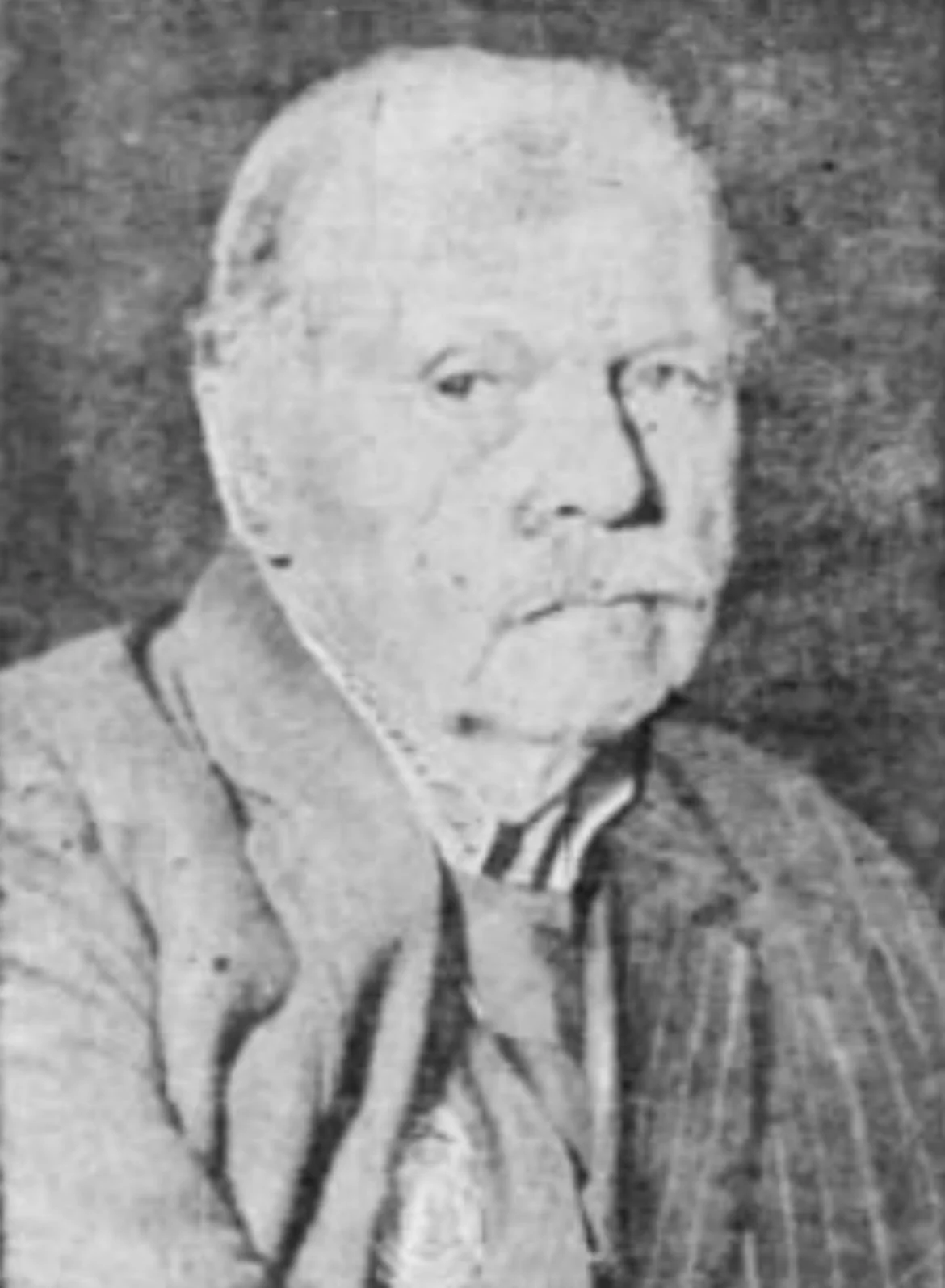
Ernest Ankener and the Legacy of Ankener Avenue in Queens
Who was Ernest Ankener, and why does a street in Queens still carry his name? This article uncovers the legacy of the engineer, surveyor, and Freemason whose work helped map modern Queens and quietly shape New York City history.
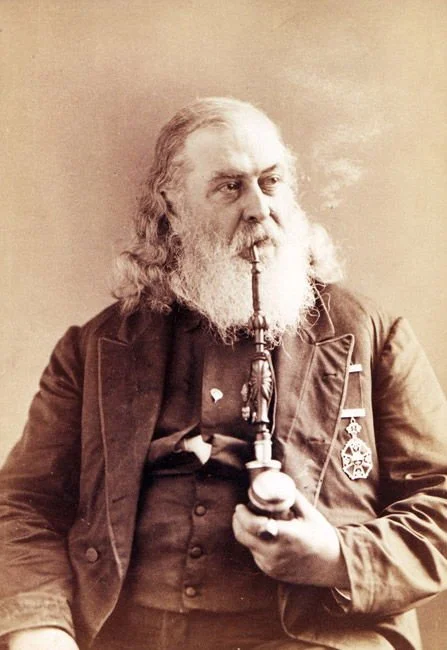
Requiem For A Friend: Albert Pike’s Eulogy for Robert M. C. Graham.
This article presents Albert Pike’s 1891 eulogy for Brother Robert McCoskry Graham, a respected Mason, civic figure, and close personal friend. Originally published in Ex Corde Locutiones, Pike’s tribute offers a deeply emotional reflection on loss, brotherhood, memory, and the values of Masonic life.