Rabbi “Ovadiah” Abraham Dubin
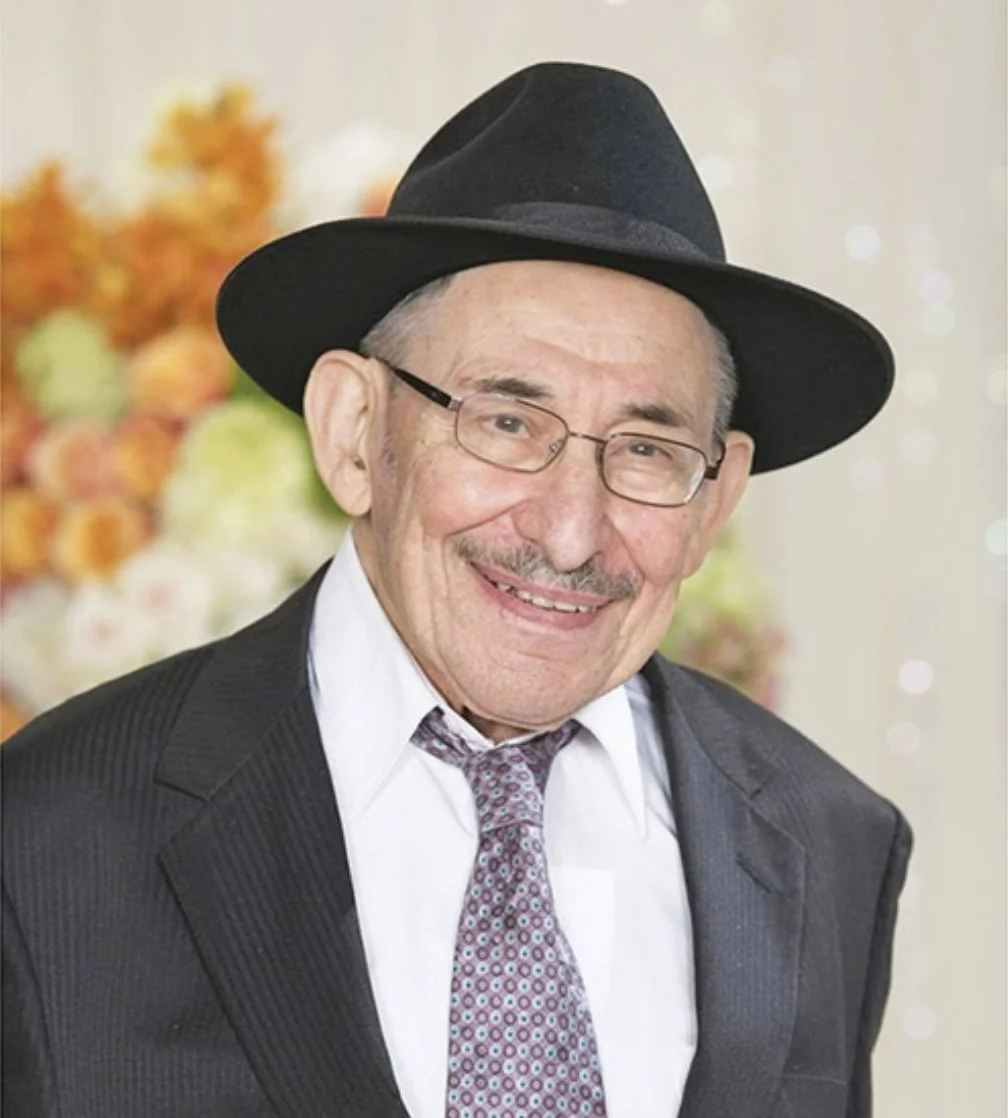
Rabbi Abraham “Ovadiah” Dubin, whose career spanned congregations, classrooms, and wartime service
Rabbi Abraham Dubin’s life moved through pulpits, war zones, classrooms, and civic institutions. But the thread that bound it all together was teaching; a vocation that still survives in the recorded voice of Rabbi Ovadiah Dubin on Spotify and Apple Podcasts.
A Life Defined By Teaching
There are some lives best understood not as a list of titles but as the expression of a single trait. Rabbi Abraham Dubin, later known to many as Rabbi Ovadiah Dubin, was one of those figures. He was a congregational rabbi, a wartime chaplain, a public speaker, a communal leader, and a brother of Service Lodge No. 1009. But beneath all those roles was something more essential. He was, above all, a teacher.
From San Antonio to Flushing
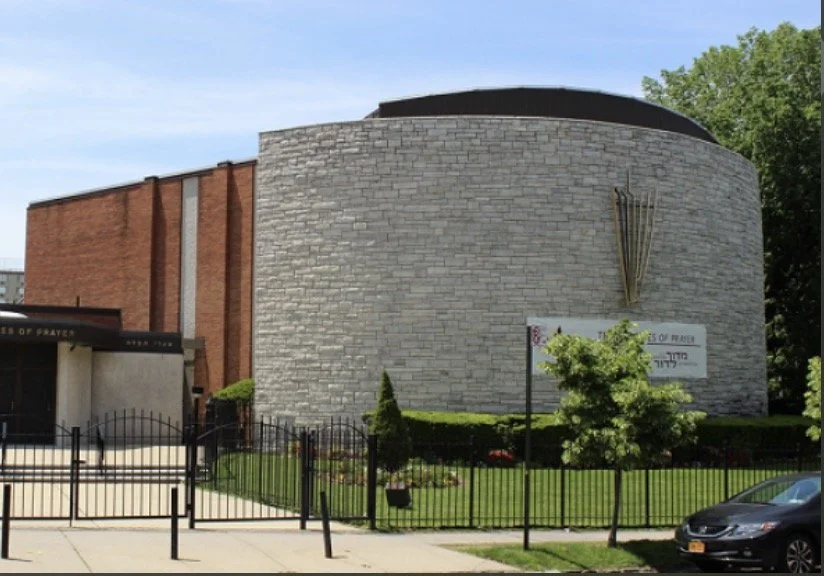
Temple Gates of Prayer in Flushing, where Dubin was installed with Rabbi Stephen S. Wise participating
That quality appears early in the public record. In 1934, the Daily News reported that Rabbi Abraham Dubin of Congregation Agudas Achim in San Antonio had accepted a call to Temple Gates of Prayer in Flushing. Soon after, he was formally installed there with Stephen S. Wise participating in the ceremonies; a sign that Dubin was already regarded as a man of unusual promise. Earlier reports had noted his work in Bay Ridge and Cedarhurst. Later ones would place him in Flushing for decades, then in Oceanside and Upper Nyack. Again and again, he appears in communities that needed not just a rabbi, but a presence: someone serious, articulate, and steady enough to guide an institution through change.
Scholar of Law, Tradition, and Public Life
His preparation for that work was strikingly broad. Dubin studied at City College of New York, New York University, and St. John’s University School of Law, where he completed an accelerated course and earned his law degree in 1930. He also attended teachers college at the Jewish Theological Seminary and Hebrew Union College. The range suggests a distinctly American Jewish type: intellectually ambitious, grounded in tradition, and fluent in both religious and civic life.
Chaplain in the China-Burma-India Theater
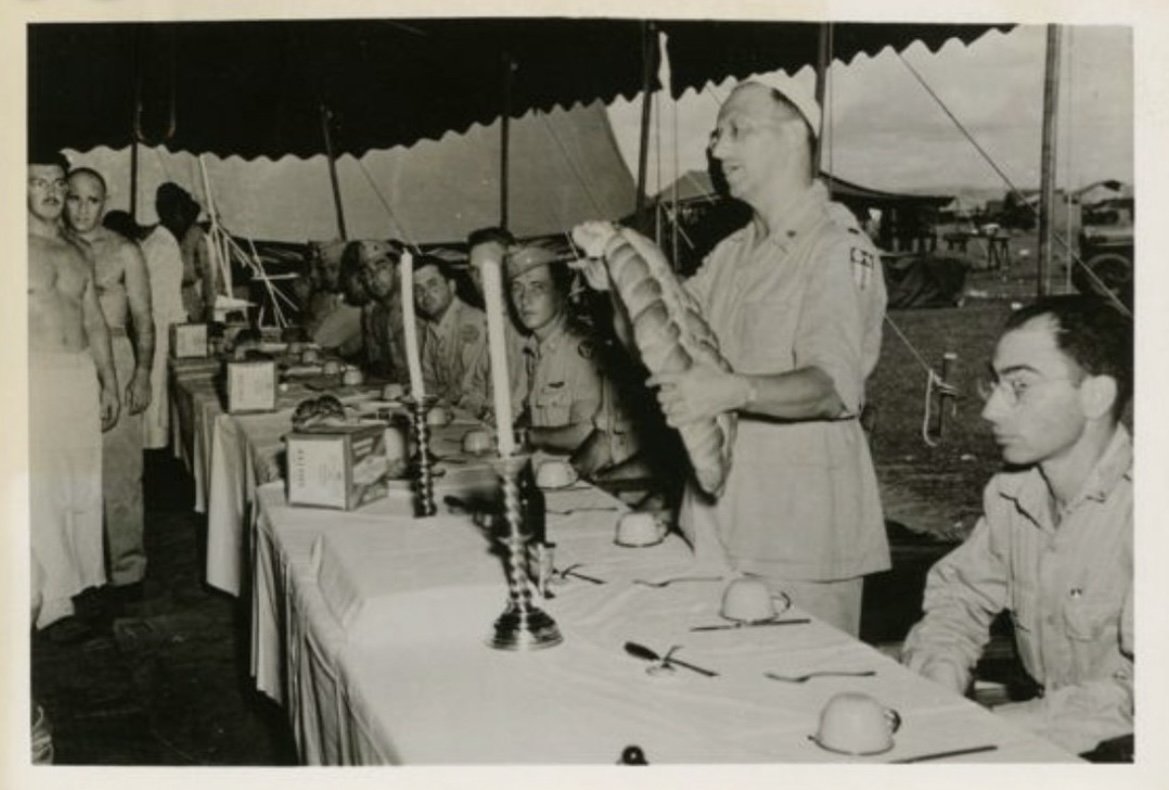
Jewish chaplains served dispersed Allied troops across Asia during World War II
Then history widened his stage. During World War II, Dubin served as a Jewish chaplain in the China-Burma-India theater, reportedly the first to do so. In 1943, newspapers carried a remarkable account of his work among a long-isolated community of Indian Jews who had become largely cut off from world Jewry. Dubin helped restore a sense of connection and dignity, conducting joint services with Indian Jews and American and British soldiers. It was the kind of episode that illuminates character. He did not merely serve where he was sent; he noticed who had been forgotten.
Why He Became "Ovadiah"
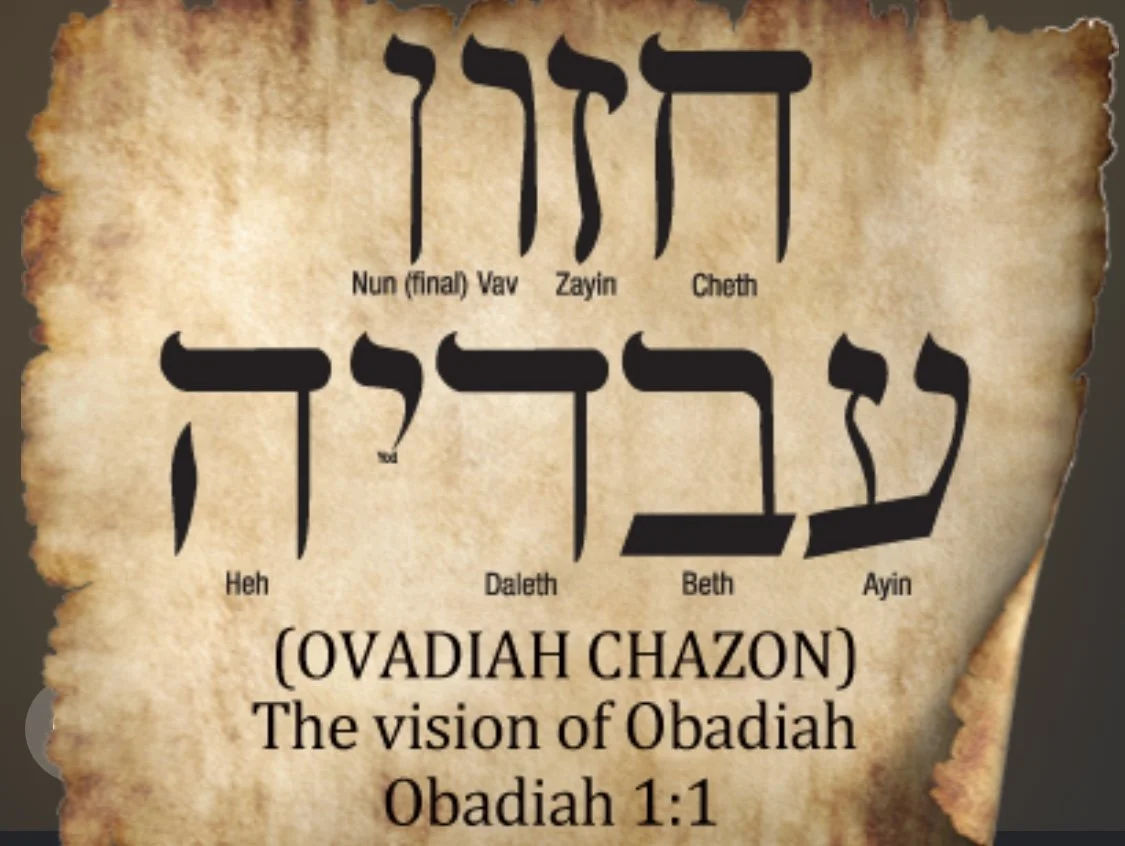
“Ovadiah” (עובדיה) translates as “servant of God”
That instinct—to preserve continuity, to strengthen identity, to transmit memory—may also help explain the name by which he later became known. Ovadiah, more commonly rendered Obadiah in English, means “servant of God” or “servant of Yahweh,” from the Hebrew eved, servant, and Yah, a form of the divine name. Unless Dubin left a written explanation, one cannot say with certainty why he chose it. But the name suits the life. It is not grandiose. It frames religious leadership not as status, but as service. For a man remembered less for self-display than for scholarship, devotion, and instruction, Ovadiah feels less like an adopted name than a distilled identity.
A Master Mechanech
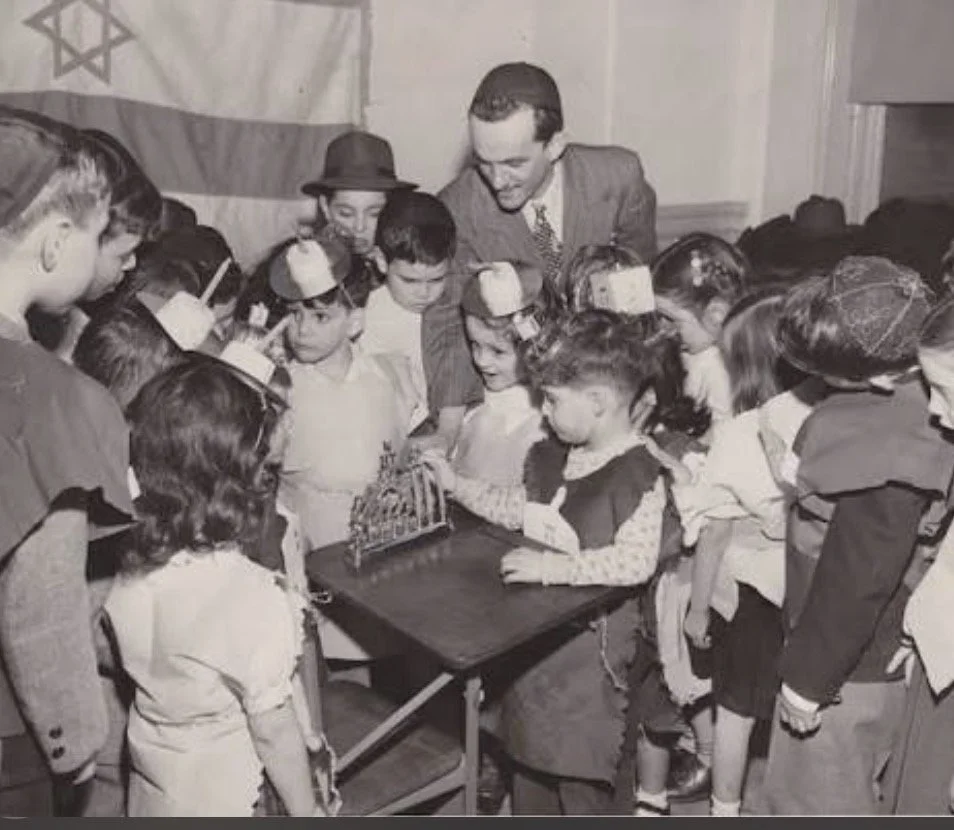
Dubin taught across yeshivot, day schools, and public institutions
In later recollections, Rabbi Ovadiah Dubin emerges as a master mechanech, an educator in the richest Jewish sense of the word. He taught in yeshivot, day schools, Talmud Torahs, and public schools. He was remembered for his command of Tanach, his precision in Hebrew and dikduk, his extraordinary memory, and his capacity to turn almost any interaction into a teaching moment. Yet what stands out most is not simply how much he knew, but how he gave it over. He taught patiently, exactly, and personally. Students remembered him not just because he was learned, but because he made learning feel intimate and alive.
The Voice That Endures
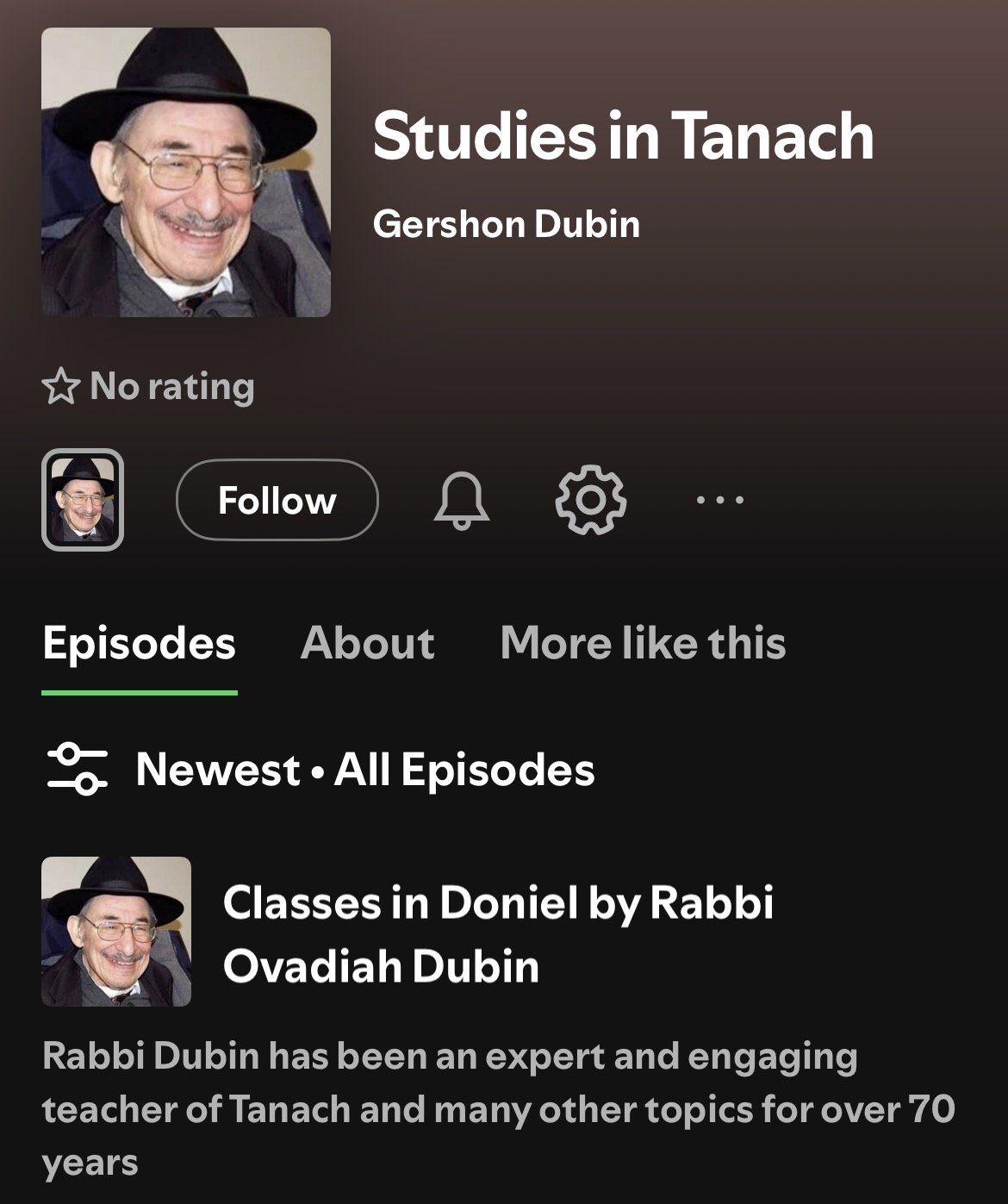
Recordings of Rabbi Ovadiah Dubin’s teachings remain accessible today
That may be why his voice still carries. Rabbi Ovadiah Dubin’s teachings remain available on Spotify, and on Apple Podcasts listeners can find Classes in Yeshaya by Rabbi Ovadiah Dubin, where he is described as “an expert and engaging teacher of Tanach and many other topics for over 70 years.” There is something fitting in that. A man who spent his life transmitting sacred text and tradition can still be heard doing exactly that, long after the institutions he served have passed into history.
To listen to those recordings is to encounter more than information. It is to hear the cadence of a life ordered around study, service, and instruction. That, in the end, may be the truest biography of Rabbi “Ovadiah” Abraham Dubin: not only the congregations he led or the honors he earned, but the fact that his deepest work was carried in his voice. He taught across cities, across eras, and even across continents. And, in a sense, he still does.
A life defined not by titles, but by the act of teaching
Related Articles
Service Lodge no.1009 -- History of a Queens Lodge
Service Lodge Charter and Members — The men behind the legacy
Advance Service Mizpah Lodge No. 586 — The Story continues here