Brother Dudley D. Schoenfeld: Navy Veteran, Forensic Pioneer, and Charter Builder of Queens Freemasonry
Brother Dudley D. Schoenfeld: Navy Veteran and Masonic Pioneer in Queens
Few men embody the link between service, scholarship, and Freemasonry as powerfully as Brother Dudley D. Schoenfeld. A U.S. Navy physician in World War I, a pioneering forensic psychiatrist, and a charter builder of Queens Masonry, Schoenfeld stands as a striking example of how one Brother’s work can shape both the Craft and the wider world.
Born in New York City around 1893 to Mayer Schoenfeld and Dora Broody, he was raised in the city’s Jewish community and went on to a distinguished career in medicine and mental health. Along the way, he took upon himself the obligations of a Master Mason - and carried those values into every field he touched.
Raised a Master Mason: From Paul Revere Lodge to Queens
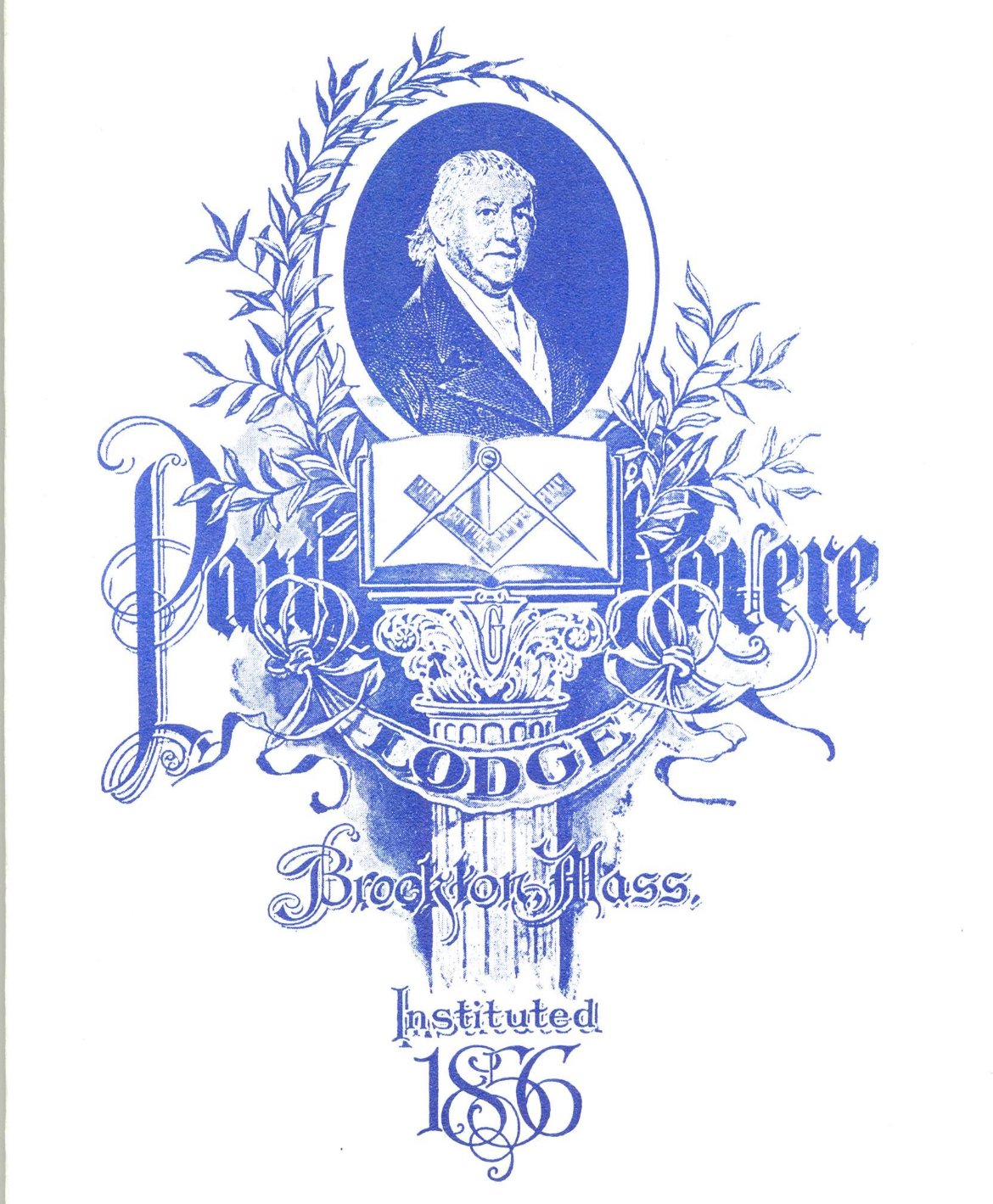
Brother Schoenfeld first entered the Craft at Paul Revere Lodge, where he was raised to the sublime degree of Master Mason. In a lodge named for one of the most iconic American patriots and Brother Masons, he absorbed the lessons of fidelity, courage, and moral improvement that define our ritual.
Those early years shaped him as both a man and a Mason. The discipline of study, the quiet bonds of brotherhood, and the call to serve something greater than oneself would soon be tested in the most demanding arena of his generation: the First World War.
Navy Service and the Birth of a Calling
During World War I, around 1918, Dudley D. Schoenfeld served as a physician in the United States Navy in New York. Amid the strain and trauma of wartime medicine, he honed his skills in clinical psychiatry; treating sailors and servicemen whose wounds were not only physical, but psychological.
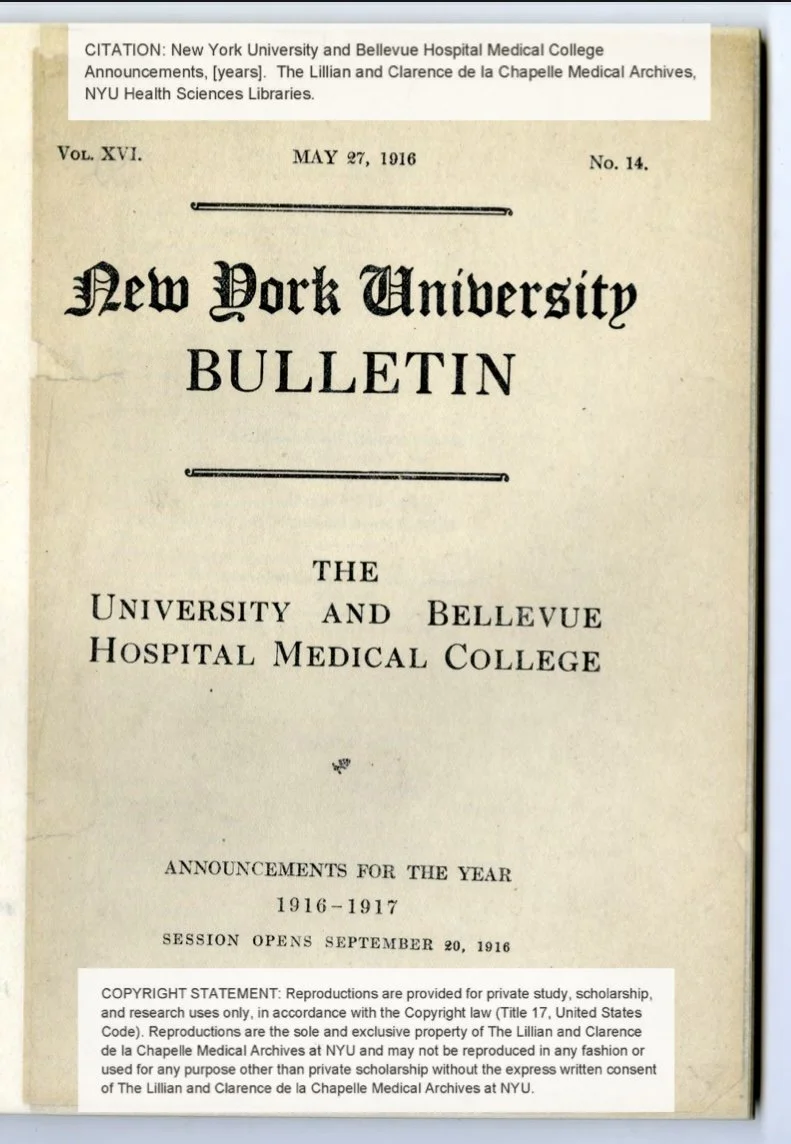
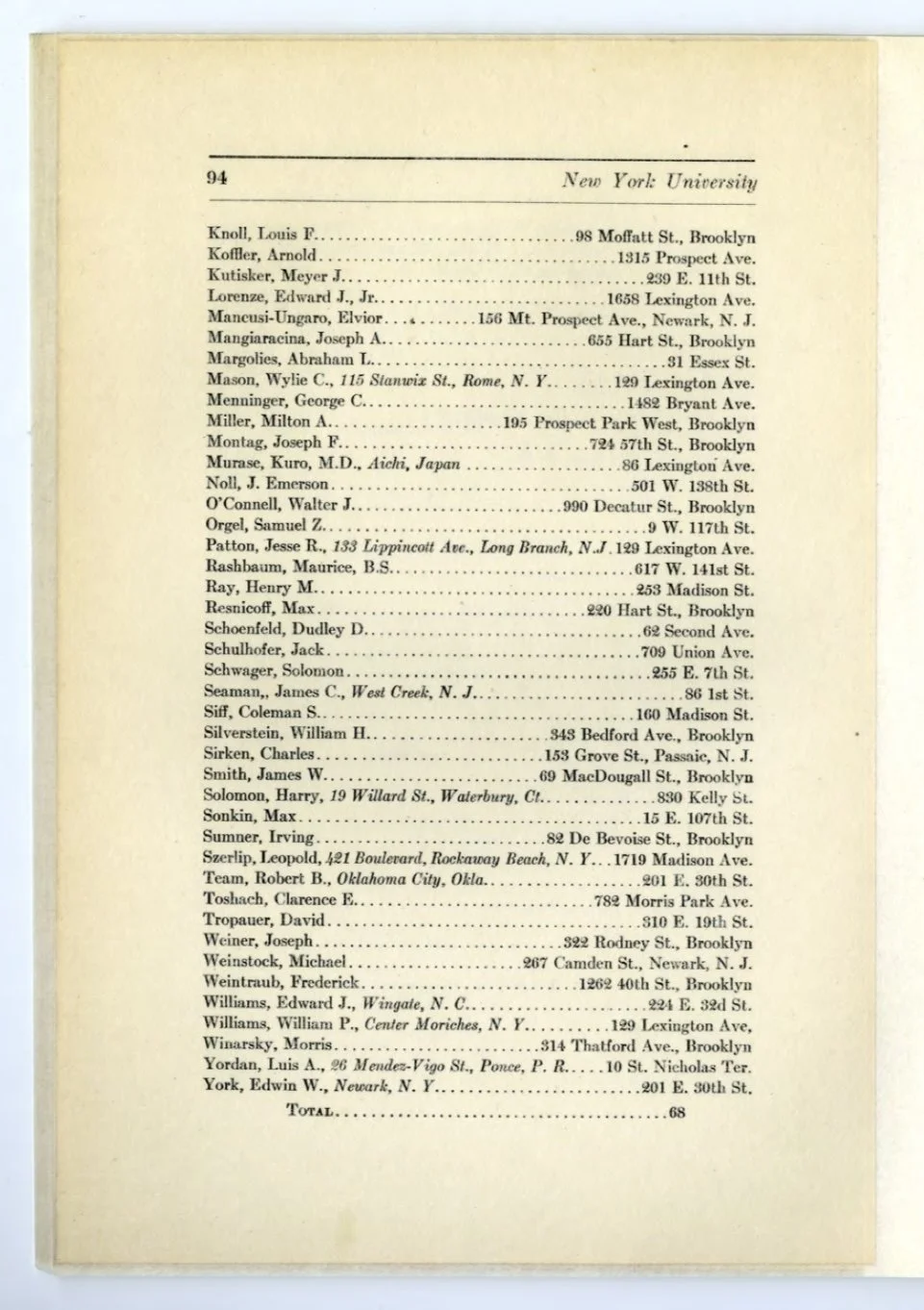
That experience ignited a lifelong dedication to mental health. After the war, he transitioned into civilian practice, earning his M.D. from Bellevue Medical College in 1917, and began a distinguished psychiatric career as an adjunct psychiatrist and later Chief Psychiatrist at Mount Sinai Hospital in New York City.
For a man shaped by both the uniform and the apron, the parallels were clear: discipline, duty, and care for those in distress. Those same qualities also informed his work in the lodge room.
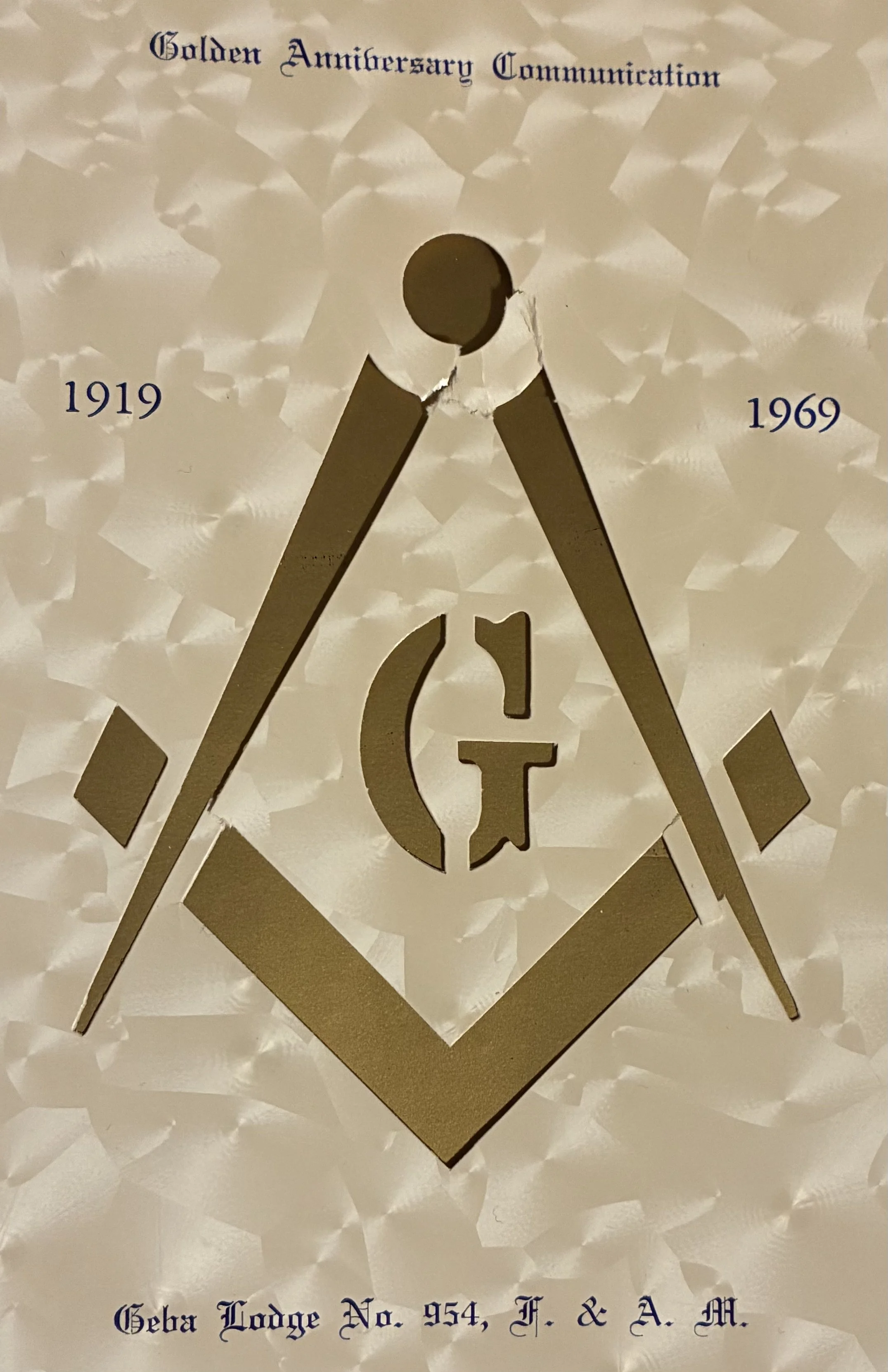
Chartering Geba Lodge No. 954: A Builder of Queens Freemasonry
On October 8, 1918, while the world was still engulfed in war, Geba Lodge No. 954 was chartered in Elmhurst, Queens. At that historic moment, Brother Dudley D. Schoenfeld stepped forward as one of the first affiliated members who helped charter the new lodge, bringing with him the light he had received at Paul Revere Lodge.
As a charter Brother, he stood among the men who:
- Shaped the culture and character of the new lodge
- Established its working traditions and standards
- Welcomed its earliest candidates into the mysteries of Freemasonry
Charter members are the operative builders of any lodge’s future. Their names on the charter are more than ink on parchment; they are a pledge of time, talent, and trust. In lending his name and energy to Geba Lodge No. 954, Brother Schoenfeld helped anchor Freemasonry more firmly in the growing communities of Queens.
Over time, lodge histories in the borough evolved and merged. Geba Lodge No. 954 eventually united with other lodges to become part of Advance Service Mizpah Lodge No. 586, ensuring that Schoenfeld’s contribution remains woven into the living fabric of Queens Freemasonry.

A Pioneer of Criminal Psychiatry and Forensic Science
Outside the lodge room, Brother Schoenfeld was equally a builder; this time in the emerging field of forensic psychiatry. His Navy experience with trauma and mental health became the foundation for a career at the cutting edge of criminal psychology in the 1930s.
At Mount Sinai Hospital and as a lecturer at institutions such as New York University, he trained physicians, lawyers, and law enforcement officers in understanding the mind of the offender. His work focused on:
The psychiatric underpinnings of criminal behavior
Behavioral cues revealing underlying mental pathology
The careful examination of documents and handwriting for psychological clues
In an era when forensic psychiatry was still taking shape, Schoenfeld’s insights helped move the field beyond guesswork toward structured, evidence-based analysis.
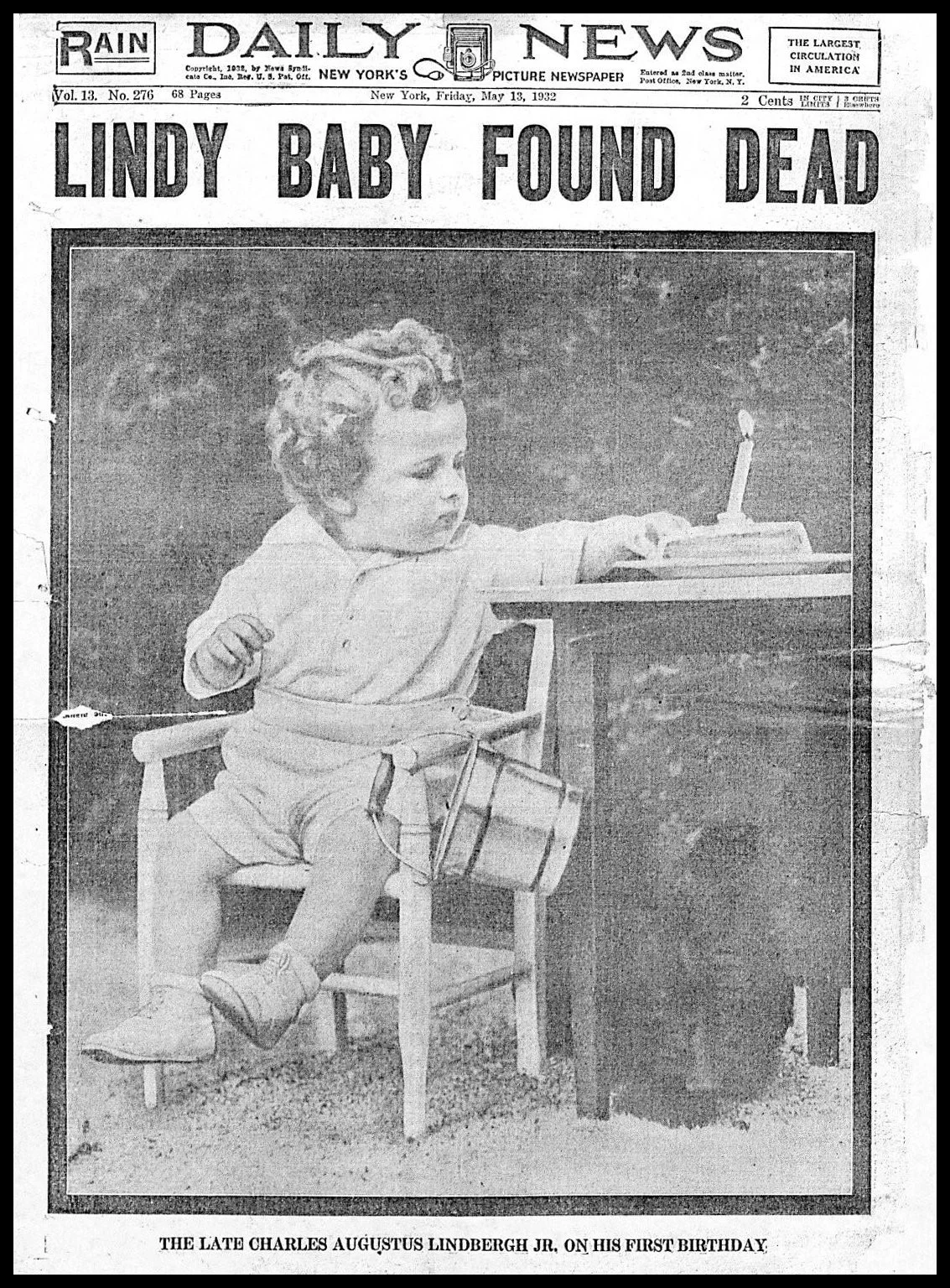
The Lindbergh Case: A Masonic Mind in a National Tragedy
Brother Dudley D. Schoenfeld reached national prominence for his role in one of the most notorious crimes of the 20th century: the kidnapping of Charles Lindbergh Jr.
In late 1932, New Jersey & New York authorities under Colonel H. Norman Schwarzkopf consulted him to conduct a psychiatric and psychological assessment of the kidnapper, using only the ransom notes and available evidence. Over months of painstaking study, he developed a remarkably detailed profile, concluding that the crime was committed not by a gang - but by a single individual.
His profile described a:
- Recently immigrated German carpenter, approximately 33-36 years old
- Resident of the Bronx, with mechanical skill but limited formal education
- Tyrannical, domineering personality, confident yet previously institutionalized
- Low-income, argumentative man, unlikely to confess even under pressure
Schoenfeld highlighted subtle, “unconscious” clues in the ransom notes: the lack of direct threats, the unusual pacing of instructions, the repetitive scolding tone: all of which he interpreted as windows into the offender’s psychology.
Nearly two years later, when Bruno Hauptmann was arrested and tried, many of these predictions proved strikingly accurate.
"Insane, But Not Insane Legally"
During the Hauptmann trial in Flemington, Dr. Schoenfeld observed the defendant closely from the gallery and as a consulting expert. When asked what chances Hauptmann would have if the defense switched to an insanity plea, his answer was definitive: "Not a chance in the world."
"I believe he is a mental case of a very unusual type - but he isn't insane according to the law. In other words, he is insane but he is not insane legally."
This distinction encapsulates his approach: recognizing profound psychological disturbance while respecting the legal standards of criminal responsibility. He noted Hauptmann displayed "only a minimum of normal emotion," calling him thoroughly self-contained; "too perfect" for an ordinary man on the witness stand.
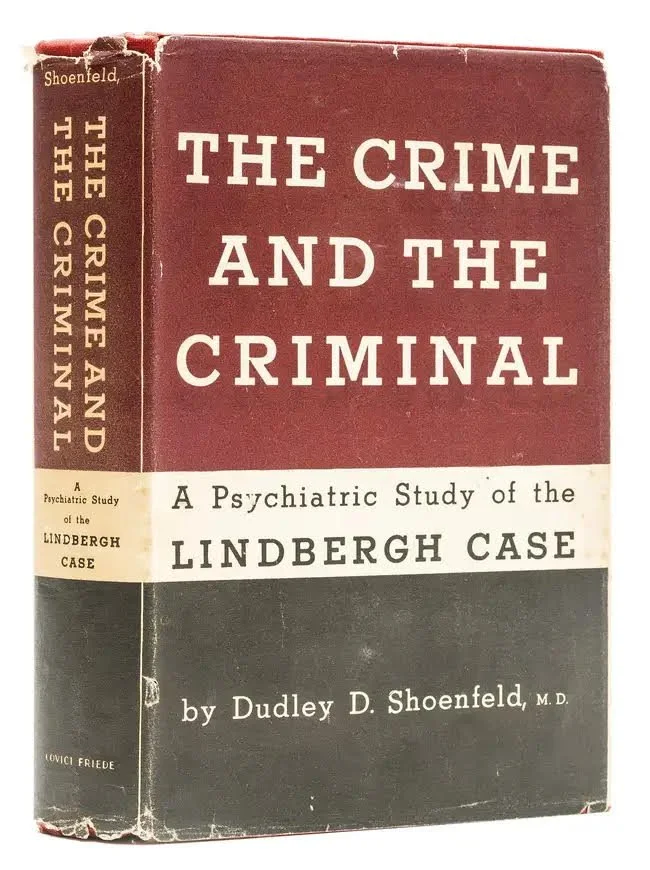
The Crime and the Criminal: A Seminal Work
In 1936, Brother Schoenfeld published his most notable book, The Crime and the Criminal: A Psychiatric Study of the Lindbergh Case. In it, he laid out:
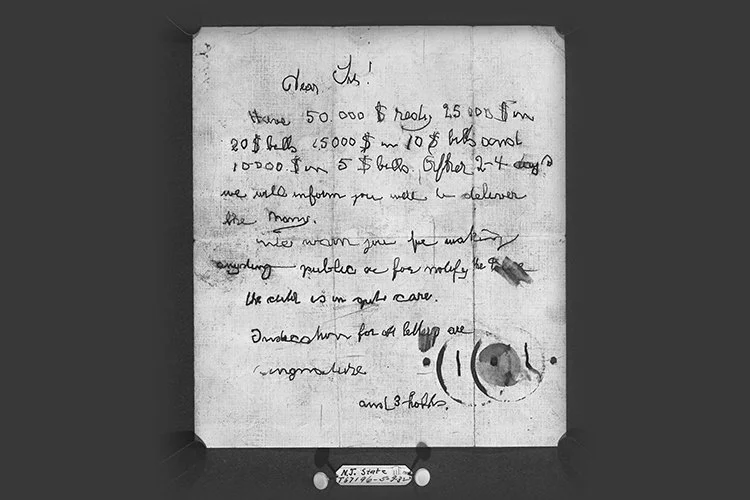
- His detailed psychological interpretation of the ransom notes
- His reasoning for concluding there was a single perpetrator
- The broader psychiatric principles behind his methods
This book became a touchstone for early forensic psychiatry and influenced law enforcement strategies in New York and beyond. Reviewers praised it for demonstrating what could be accomplished through closer cooperation between police and psychiatry.
For a Mason, this was more than professional success; it was the application of reason, justice, and a deep concern for human behavior to one of society’s darkest problems: violent crime.
Psychoanalytic Pioneer at Mount Sinai
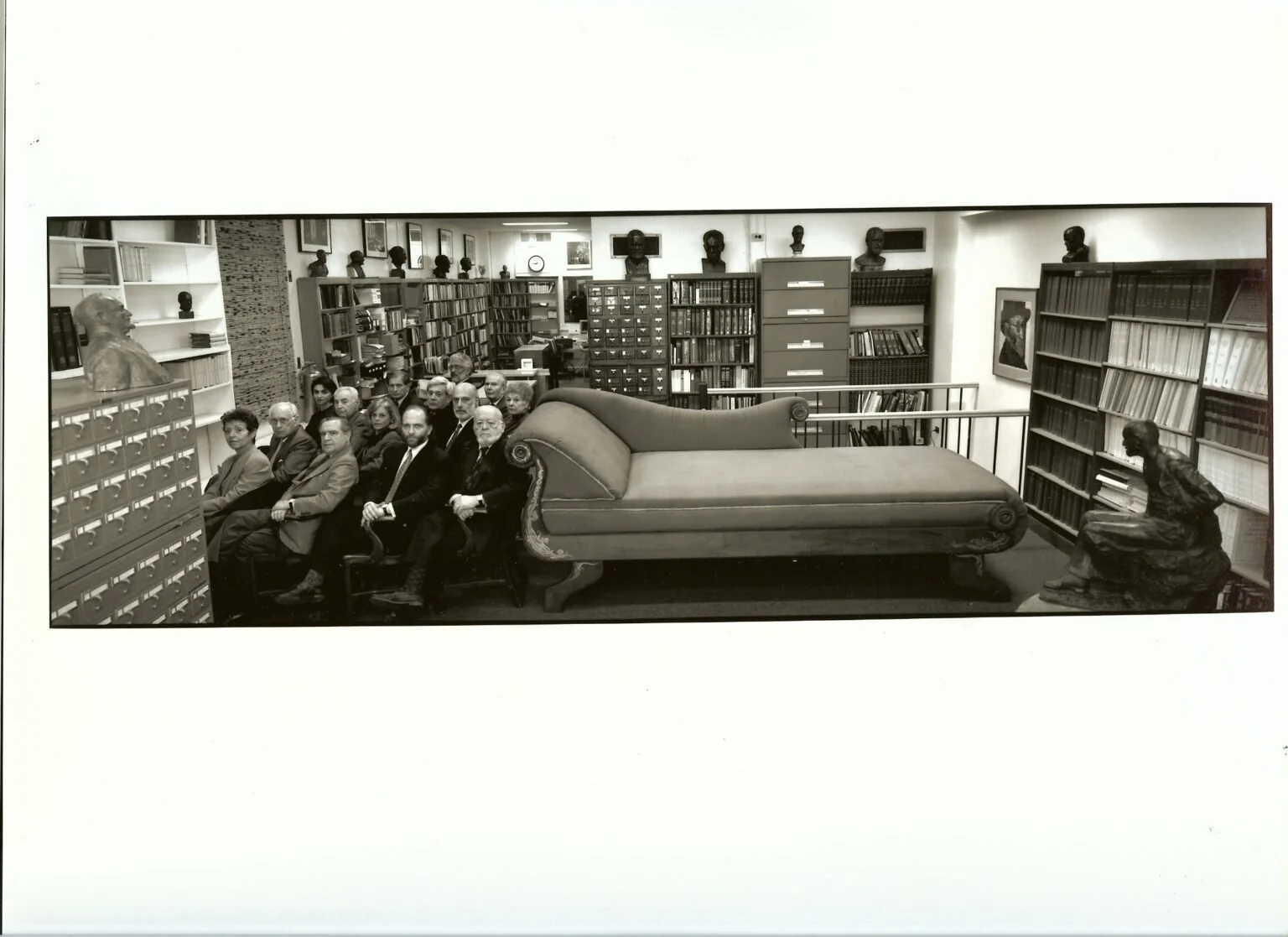
Beyond forensics, Dr. Schoenfeld played a foundational role in American psychoanalysis. At Mount Sinai Hospital, he joined pioneers Clarence Oberndorf and Sandor Lorand, helping establish what was believed to be New York's first organized mental health clinic.
An early member of the New York Psychoanalytic Society, he taught at the New School for Social Research and Mount Sinai's Nurse Training School, spreading psychoanalytic ideas to professionals beyond the medical establishment.
His 1959 tribute to mentor Adolph Stern revealed his creed: psychoanalysis must serve hospitals, clinics, and public institutions, not remain confined to private practice.
Public Service: Mayor LaGuardia's Marijuana Commission
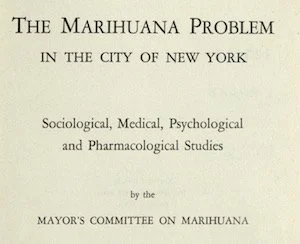
Brother Schoenfeld's Masonic ideals of truth and justice guided his public policy work. In 1939-1941, he served on Brother Mayor Fiorello LaGuardia'sCommission on Marijuana under the New York Academy of Medicine.
The commission concluded marijuana was "not much more addictive than cigarettes"; a remarkably moderate finding that anticipated later scientific consensus. His archived papers document this work alongside studies on juvenile delinquency and medical jurisprudence.
A Household of Civic Service
Brother Schoenfeld's life of service was mirrored by his wife, Helen Schoenfeld. In 1939, she chaired arrangements for the New York City League of Women Voters convention at the Hotel Commodore, advancing voter education and democratic reform.
Together, the Schoenfelds embodied reason in service to humanity; a principle familiar to any Mason.
Early Courtroom Work: The Luther Boddy Case
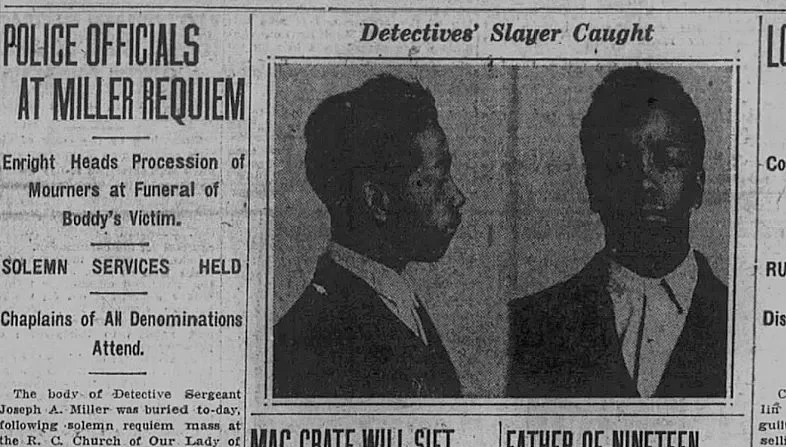
Even before the Lindbergh case, Schoenfeld appeared as an expert witness in the 1922 Luther Boddy trial, testifying for the defense on mental condition amid allegations of police brutality. His early forensic work laid the groundwork for his later national prominence.
Final Years and Eternal Legacy
In later years, Brother Schoenfeld lived at 320 Central Park West, maintaining private practice while advising institutions. On December 27, 1971, he died at Mount Sinai Hospital, aged 78, survived by Helen and son Richard.
His legacy endures in three arenas:
- In the Navy, treating war's invisible wounds
- In the lodge, building Geba Lodge No. 954
- In science and justice, forging criminal psychiatry
For today's Brethren of Advance Service Mizpah Lodge No. 586 and across Astoria and Queens, his example offers clear lessons:
- Step forward when new work begins
- Let service span every chapter of life
- Use knowledge in the cause of justice
As we open lodge which has descended from Geba Lodge No. 954, among others, we stand on the foundation laid by men like Brother Dudley D. Schoenfeld; men whose names may appear only in old minutes, but whose influence still shapes our work today.
May we be as faithful to our obligations, as dedicated to truth, and as willing to serve both our Fraternity and our communities as he was in his time.